


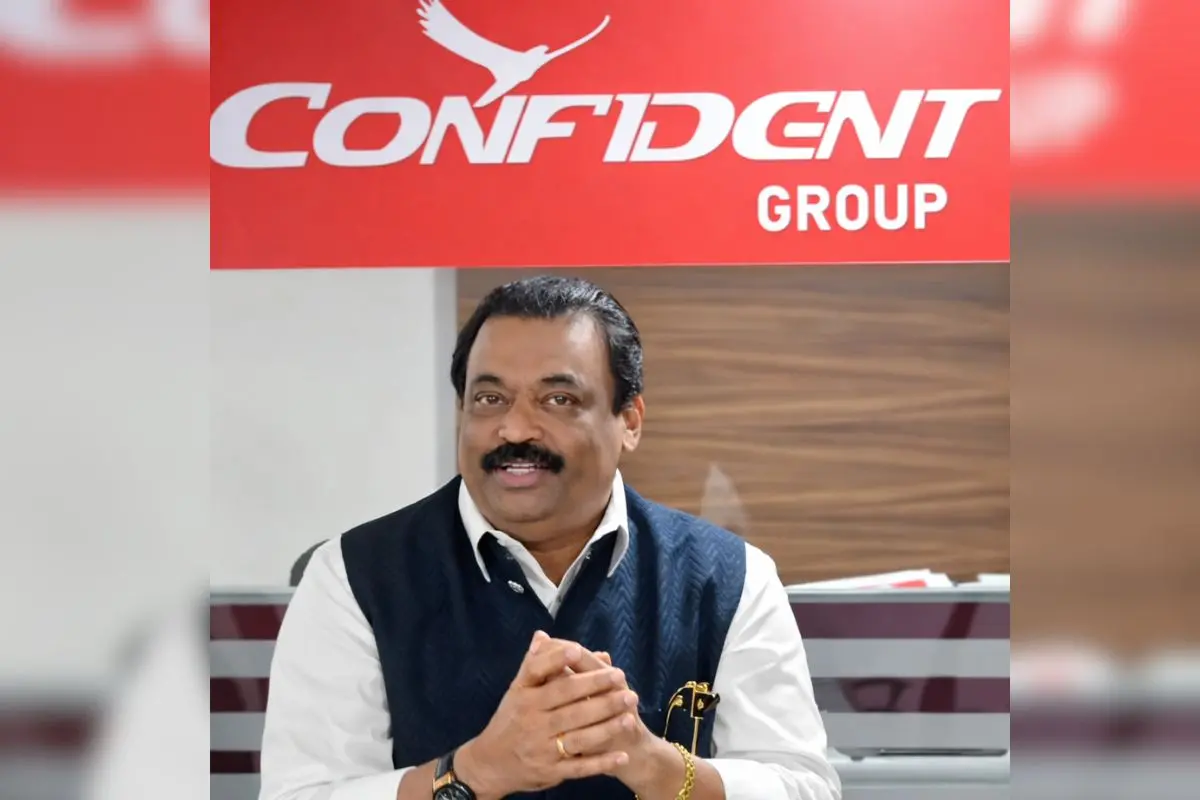
A week after the sudden death of its founder-chairperson during a tax department search at its Bengaluru office, Confident Group has publicly reaffirmed its financial stability and pledged uninterrupted delivery of its ongoing real estate projects. The assurance comes at a sensitive moment for customers and investors, as questions surrounding governance, compliance and corporate resilience ripple across the regional property market.
At a press interaction in Bengaluru, the company’s managing director described the recent income tax inspection as procedural and maintained that the firm had extended full cooperation to authorities. He declined to comment on the circumstances of the chairman’s death, citing the ongoing investigation by a Special Investigation Team, but emphasised that business operations remain unaffected. The episode has drawn sharp attention to how promoter-led real estate companies manage risk and succession during sudden leadership crises. Confident Group operates primarily in southern markets, with a portfolio spanning residential layouts, villas and apartment developments. According to company representatives, construction activities across sites have resumed at full pace and are being financed through customer collections rather than external borrowing. The management reiterated that the group functions without institutional investors and carries no outstanding debt, a structure it argues insulates projects from financial contagion. Industry observers note that while low leverage can reduce exposure to market volatility, it also places greater pressure on sustained sales velocity to maintain construction timelines.
In recent days, speculation across digital platforms linked the company to high-profile investors from the film industry. Senior executives dismissed such claims as unfounded and clarified that no external equity participation exists in the business. Beyond the immediate controversy, the situation underscores a broader issue confronting India’s real estate sector: the reputational fragility of developer-driven enterprises. In cities such as Bengaluru, where homebuyers often commit life savings to under-construction projects, confidence in delivery capability and regulatory compliance is critical. Even unproven allegations can stall bookings and strain cash flows. Urban economists say the incident also highlights the need for stronger governance frameworks and transparency standards within mid-sized property firms. As regulatory scrutiny intensifies under income tax, anti-benami and real estate laws, developers are increasingly expected to demonstrate clean financial practices and robust documentation. Authorities have yet to disclose findings from the recent searches, and investigators are continuing their probe into the chairman’s death. Meanwhile, market analysts suggest that project execution over the coming quarters will be the clearest indicator of the firm’s operational resilience.
For homebuyers, the priority remains timely completion and clarity of communication. For the wider industry, the episode serves as a reminder that sustainable urban development depends not only on land and capital, but also on governance credibility and institutional depth that can withstand unexpected shocks.
Also Read: Exotica Housing expands with Noida commercial project
Confident Group projects continue amid probe scrutiny
