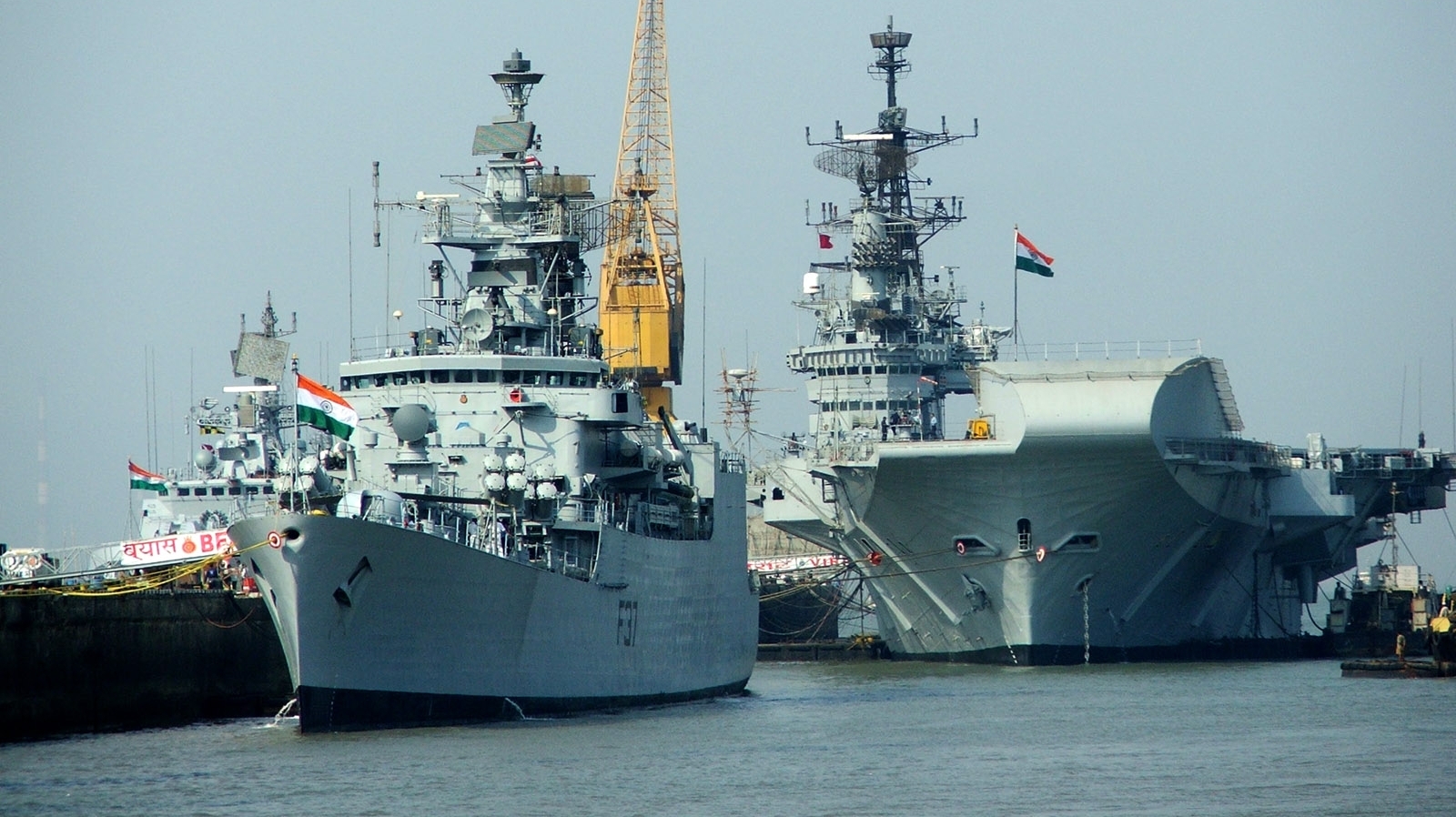
India’s acquisition of Colombo Dockyard in Sri Lanka has emerged as more than a commercial expansion. The $52.96 million deal, led by state-run Mazagon Dock Limited, is being viewed as a calculated strategic move to counter China’s expanding influence across the Indian Ocean. While the buyout aids Sri Lanka’s struggling shipyard, it also secures India’s footprint at a crucial maritime chokepoint.
India’s move to take over Colombo Dockyard comes at a time when China continues to expand its presence through infrastructure deals across the Indian Ocean. With Beijing already operating Sri Lanka’s Hambantota port, this acquisition ensures that Delhi maintains a foothold in a geopolitically vital location. The dockyard’s proximity to key global shipping lanes makes it a critical node in India’s broader Indo-Pacific and SAGAR maritime security strategy.
For India’s Mazagon Dock Limited, the deal offers commercial synergy. The Mumbai-based shipbuilder, having outgrown its domestic base, now has space to expand operations, shift maintenance workloads, and tap into regional naval contracts. But analysts view the acquisition through a deeper lens — a step away from merely offering regional security assistance to becoming an active economic player through direct ownership of strategic infrastructure.
Reactions within Sri Lanka reflect a complex sentiment. While authorities have welcomed the capital injection and potential job protection, sections of civil society are wary of ceding control of key infrastructure to foreign powers. Memories of the long-term Chinese lease of Hambantota port remain fresh, prompting demands for public transparency. The withdrawal of the Japanese partner has only deepened speculation about shifting strategic calculations in the region.
The Colombo Dockyard deal signals a new phase in regional maritime competition. India is no longer content with diplomatic posturing but is using capital and capacity to secure its interests. The shipyard could serve as a counterbalance to China’s presence in Gwadar and Hambantota. How this economic intervention is perceived — and whether it respects Sri Lanka’s sovereignty — will shape future cooperation across South Asia’s seas.
India’s acquisition of Colombo Dockyard is a bold assertion of strategic intent in the Indian Ocean, blending economic muscle with geopolitical foresight. For Sri Lanka, it offers industrial revival but stirs debate over external influence. As Delhi strengthens its role in regional infrastructure, much depends on how it balances ambition with sensitivity in a space where every move is watched — and weighed.