Coimbatore Moves Ahead With Rs 210 Crore Plan To Revive Noyyal River
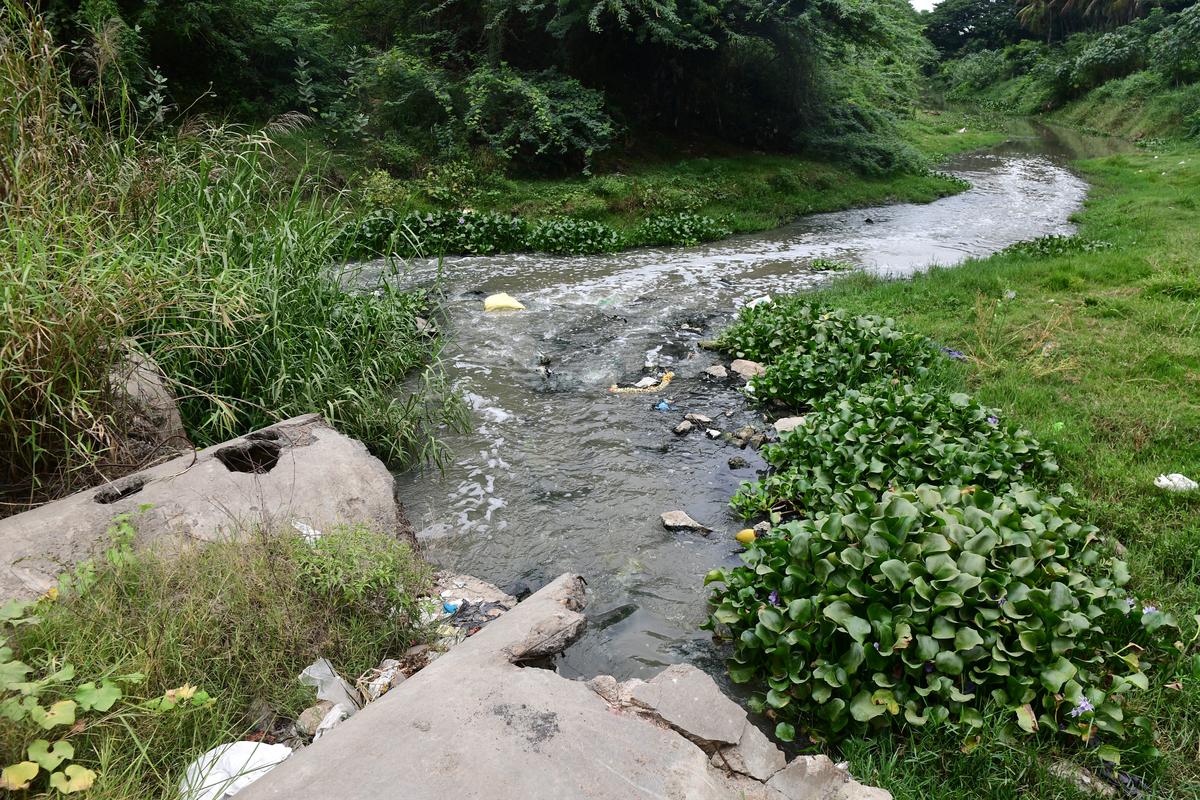
Once a vital water source replenishing Coimbatore’s groundwater table, the Noyyal River is now choked with untreated sewage as it passes through the city. In a renewed effort to arrest its ecological decline, the municipal corporation is implementing an integrated wastewater management solution, centred around diversion infrastructure and a new centralised sewage treatment facility.
The Coimbatore Municipal Corporation has unveiled a consolidated strategy to curb the unchecked discharge of sewage into the Noyyal River, which for decades served as a lifeline for groundwater recharge but has now deteriorated into a wastewater conduit. Instead of fragmenting treatment efforts across seven plants, the city will now pursue a streamlined model anchored by a single, high-capacity treatment unit. This decision stems from land scarcity across the city’s built-up limits, which has constrained earlier decentralised proposals. Officials confirmed that the revised plan includes a new sewage treatment plant (STP) with a capacity to handle seven million litres per day at Nanjundapuram. The civic body has sought ₹100 crore from the state government for the facility and an additional ₹110 crore for landscape and riverfront regeneration along the Noyyal.
Supplementing the STP, strategically located pumping stations will intercept sewage from the river’s tributaries before it can pollute the main watercourse. Once treated, the cleaned water will be channelled back into the river. One such station is planned at Puttuvikki, from where effluent will be redirected to the Ukkadam STP. The current city-wide network of four treatment plants will continue to support this effort until the new facility is commissioned. Officials stated that the interception and redirection mechanism is designed to ensure minimal untreated discharge into the river, especially during peak flow days. This approach draws lessons from similar river clean-up projects in Tirupur, though experts warn that differences in terrain and urban density will make the Coimbatore plan more operationally demanding.
Environmental campaigners working along the Noyyal corridor have urged complementary measures, including afforestation and safeguarding the river’s natural course to avert flooding risks. Many advocate for continuous water quality monitoring and use of treated water for landscape restoration along the banks. If implemented in full, the initiative could restore the ecological balance of the Noyyal River, aiding flood mitigation and groundwater revival for Coimbatore’s rapidly growing urban population.