


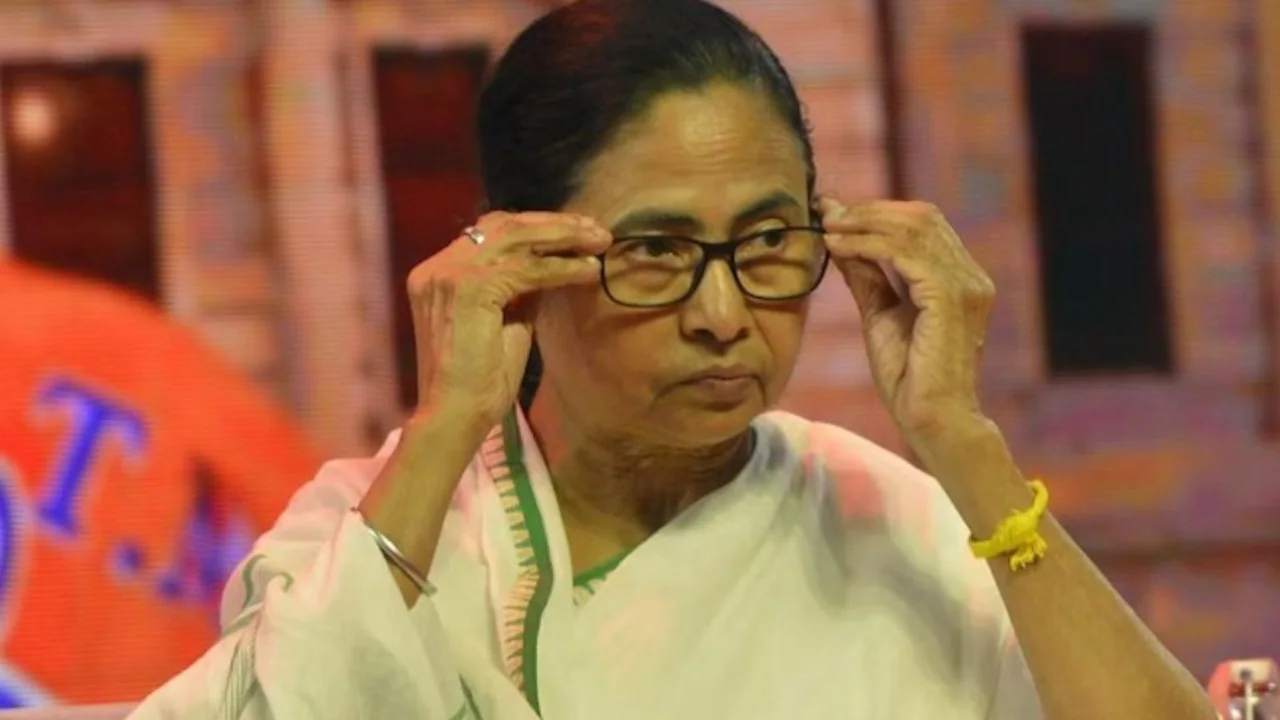
West Bengal Chief Minister Mamata Banerjee has announced a one-month halt to the state’s ongoing anti-hawker and anti-encroachment drive, signaling a significant shift in policy amidst mounting controversy. Addressing concerns over the use of bulldozers to evict encroachers, Banerjee expressed her disapproval, highlighting the need for comprehensive surveys and strategic planning in hawking zones across the state.
During a televised meeting at Nabanna, Banerjee admonished politicians and police officials allegedly involved in encouraging illegal encroachments for personal gain. She issued a stern warning, threatening immediate arrest for any political figure found inciting hawkers or accepting bribes, regardless of party affiliation. Emphasizing ethical governance, Banerjee stressed the role of law enforcement in curbing corruption and maintaining civic order.
The Chief Minister underscored her commitment to reforming the hawking sector, advocating for a structured approach that includes numbered stalls, designated storage facilities, and regulated distribution of goods. She addressed grievances from local hawkers, directing authorities to take stringent action against shopkeepers obstructing pavements and carriageways with their merchandise.
Banerjee’s decision to pause the anti-encroachment drive aims to facilitate detailed surveys and the formulation of sustainable solutions within hawking zones. With over 61,000 hawkers seeking registration in Kolkata Municipal Corporation (KMC) areas, Banerjee acknowledged the need for fair distribution of opportunities while curbing monopolistic practices among stallholders. Proposing the establishment of compliant storage buildings and logistical support for hawkers, Banerjee outlined a vision to streamline operations and ensure adherence to safety standards. She pledged governmental assistance in securing goods and insuring storage facilities against potential risks. In conclusion, Mamata Banerjee’s directive reflects a proactive approach towards urban governance, prioritizing inclusive policies and regulatory reforms to harmonize economic activities with civic integrity. As West Bengal navigates the complexities of urban development, the Chief Minister’s stance on hawker management sets a precedent for equitable growth and administrative accountability in the state.
