


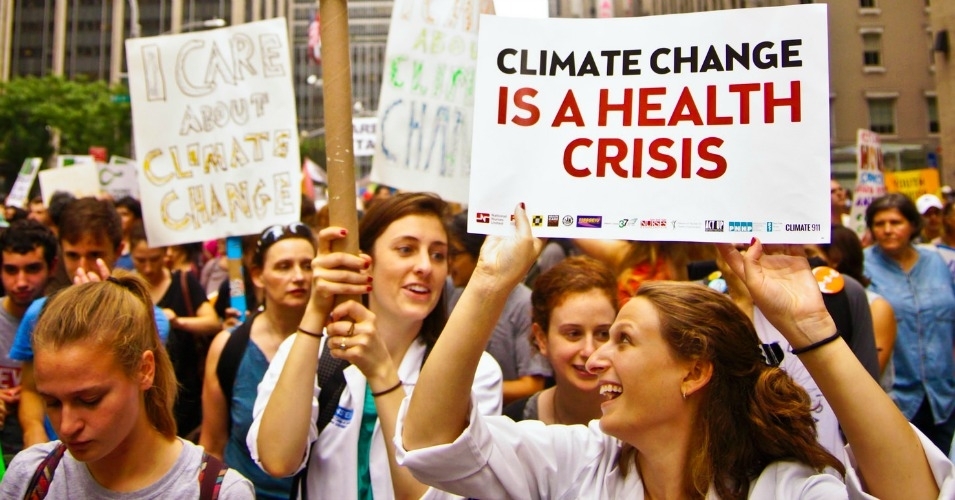
Climate Change Fuels Public Health Crisis, Demands Urgent Action
As climate change intensifies, its impact on public health is becoming more apparent, with rising temperatures, extreme weather events, and shifting disease patterns posing serious risks. At a recent discussion organised by the US Consulate General and Press Institute of India in Chennai, experts highlighted the urgent need for a multidisciplinary approach to tackle these growing threats. Jay Lemery, professor of emergency medicine at the University of Colorado School of Medicine, underscored the health hazards linked to climate change, including increased cases of heat stress, strokes, and food insecurity. “It is a disease of vulnerability, disasters, ineffective communication, and system failure,” he remarked. Countries such as the US have established early warning systems for extreme heat conditions, offering cooling centres and emergency aid, but similar efforts remain inadequate in many developing nations. The disparity in preparedness highlights a crucial gap in global climate resilience.
The unpredictability of weather patterns is driving a surge in heat-related illnesses and the spread of diseases in warmer climates. A study published in The Lancet Planetary Health found that between 2000 and 2019, global heat-related mortality increased by 53%, with the highest impact in regions with inadequate healthcare infrastructure. The urban poor, who lack access to cooling systems and live in areas prone to power outages, are among the most vulnerable. Moreover, climate change has exacerbated antibiotic resistance and introduced new pathogens, requiring immediate government intervention to develop stronger “One Health” policies. Experts argue that misinformation and political reluctance further hinder progress in addressing these issues, making public awareness and cross-sector collaboration essential.
From a civic perspective, the failure to implement comprehensive climate adaptation strategies has placed millions at risk. Indian cities, particularly in states such as Tamil Nadu, Maharashtra, and Delhi, have experienced record-breaking temperatures, with heatwaves becoming more frequent and severe. In 2023, India recorded over 3,000 heatwave-related deaths, according to the National Disaster Management Authority. However, the lack of well-defined cooling infrastructure and emergency response systems exacerbates the crisis. Unlike the US and Europe, where extreme heat advisories trigger public safety measures, many Indian municipalities still lack robust heat action plans. This absence of preparedness not only threatens lives but also strains urban healthcare systems, which are already grappling with the increasing burden of climate-induced illnesses.
The sustainability angle is crucial in mitigating these health risks. Sustainable urban planning, green infrastructure, and climate-adaptive policies can significantly reduce the impact of extreme weather on public health. Experts advocate for the adoption of nature-based solutions, such as increased green cover, improved water management, and the integration of renewable energy to combat rising temperatures. A 2022 UN Habitat report found that cities with higher tree cover experience temperatures up to 5°C lower than those dominated by concrete structures. Investment in climate-resilient housing, better ventilation systems, and renewable energy solutions can ensure that vulnerable communities are not disproportionately affected. However, financing remains a significant challenge, with governments and private stakeholders struggling to prioritise long-term sustainability over immediate economic concerns.
While climate change remains an undeniable threat to global health, tackling it requires an integrated effort from policymakers, businesses, and civil society. Strengthening climate policies, enhancing healthcare infrastructure, and prioritising urban resilience will be key in mitigating the long-term consequences. As awareness grows, the challenge lies in securing the necessary funding and political will to implement lasting solutions—before the crisis escalates beyond control.
