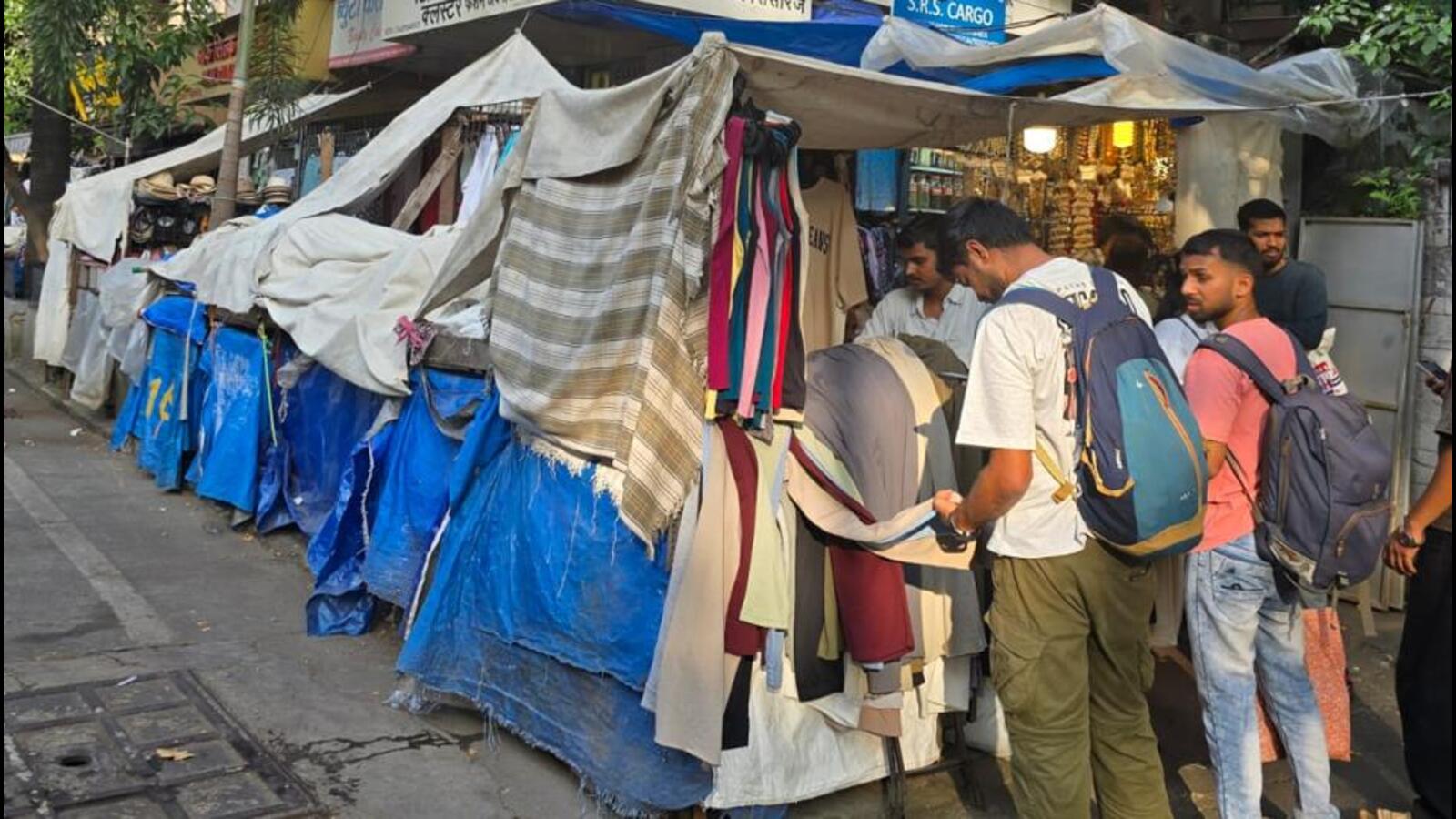
Clear Footpaths or We Protest: Colaba Residents Ultimatum to BMC
Residents of Colaba, one of South Mumbai’s most visited precincts, have issued a one-week ultimatum to the Brihanmumbai Municipal Corporation (BMC) demanding urgent removal of illegal hawkers and encroachments along the iconic Colaba Causeway. The citizens, led by a former elected representative, have warned of a symbolic protest if the civic body fails to act by setting up their own makeshift stalls outside the local ward office to highlight what they describe as “years of civic neglect.”
The protest call stems from growing frustration over the proliferation of unauthorised vendors occupying pavements on the Causeway a historic shopping street frequented by tourists and locals alike. Residents allege that over half the stalls lining the stretch operate without valid permissions, leaving pedestrians little space to walk safely. The resulting congestion, they say, has transformed the area into a “chaotic and hazardous” zone for both walkers and motorists.
“Footpaths that were once wide and accessible are now completely taken over,” said one resident involved in the campaign. “Pedestrians are forced to step onto the road, creating constant conflict with vehicles. It’s a civic safety and accessibility issue, not just an aesthetic one.”The group’s letter to the A Ward office asserts that the BMC has repeatedly ignored complaints about encroachments and hawker regularisation drives that yielded little visible change. Civic officials, however, said the issue is complex due to ongoing legal challenges and the need to balance livelihoods with public right of way. “We are identifying non-designated hawker zones and will initiate appropriate enforcement actions,” a BMC official said on condition of anonymity.
Urban policy experts point out that such disputes expose the deeper challenge of equitable street management in Indian cities balancing informal livelihoods with urban design and pedestrian safety. While hawkers form a vital part of Mumbai’s local economy, unregulated sprawl often undermines accessibility, particularly for senior citizens, women, and persons with disabilities.City planners argue that a long-term solution lies in better demarcation of hawking zones, inclusive urban design, and sustained enforcement rather than periodic drives. “Footpaths are a public commons,” said an urban mobility consultant. “Designating fair vending zones while safeguarding pedestrian movement is essential to make cities walkable and humane.”As the one-week deadline nears, Colaba residents await a formal response from the BMC. Their protest warning underscores a growing sentiment among Mumbai citizens that safe, accessible public spaces are a fundamental right, not a privilege.