


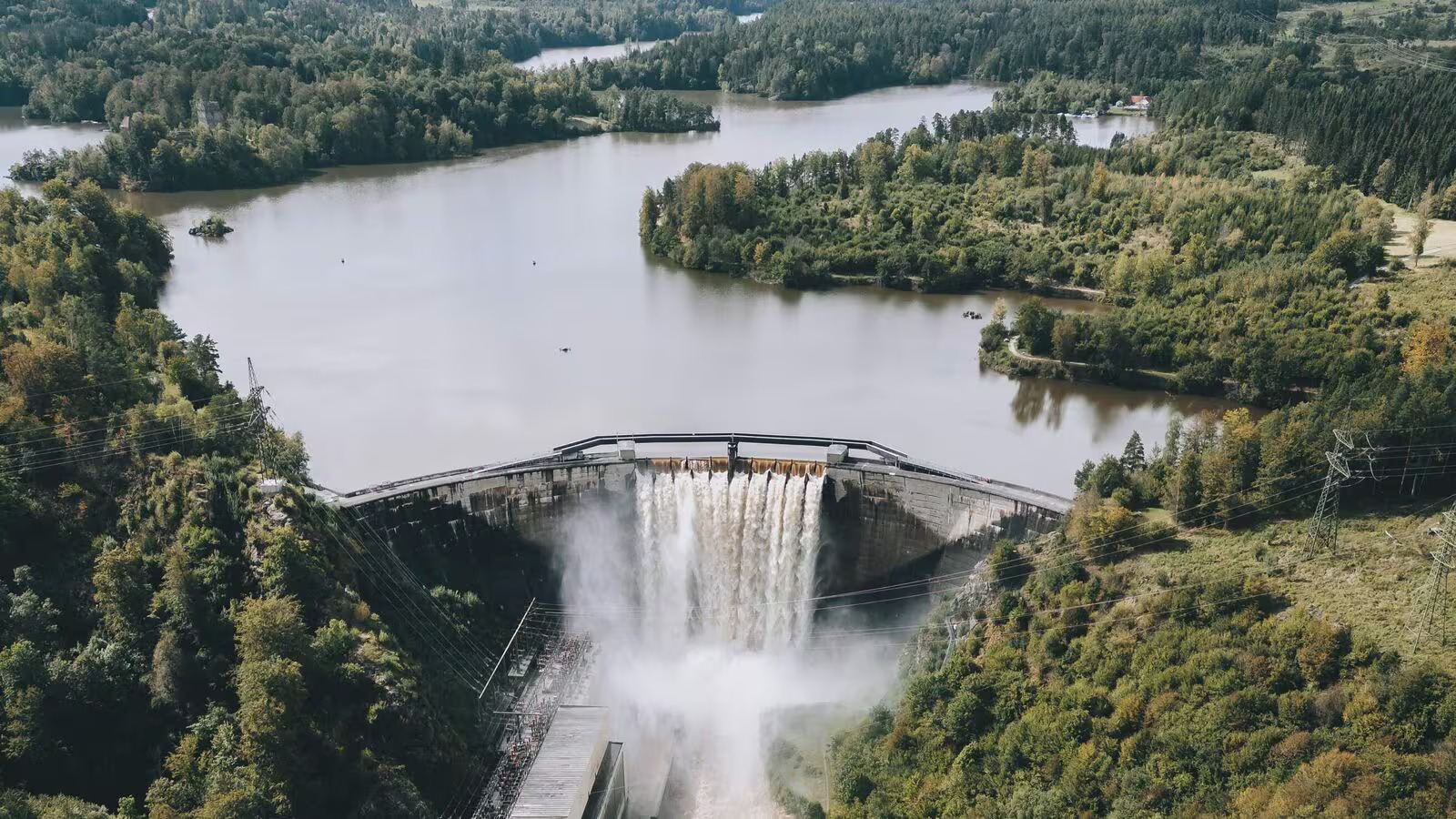
Mumbai’s critical water reservoirs are nearing full capacity, with combined water levels reaching an impressive 87.24% following sustained heavy rainfall in their catchment areas. This significant replenishment of the city’s seven primary drinking water sources ensures robust water security for the metropolis, underscoring the vital role of natural hydrological cycles in supporting sustainable urban living. The increased water stock is a crucial factor in maintaining equitable access to this essential resource for all residents, contributing to the city’s overall resilience.
According to data released by the Brihanmumbai Municipal Corporation (BMC), the collective water stock in these reservoirs now stands at 12,62,652 million litres. Individual lake levels show remarkable recovery: Modak Sagar has reached 100% capacity, Tansa 99.46%, Middle Vaitarna 93.41%, and Bhatsa 85.50%. While Upper Vaitarna (76.64%), Vehar (60.29%), and Tulsi (60.84%) continue to rise, the overall picture is one of strong preparedness for the coming year, mitigating potential water scarcity challenges that often disproportionately affect vulnerable communities.
The strategic distribution of water from these reservoirs ensures comprehensive coverage across Mumbai’s vast urban sprawl. Lakes such as Modak Sagar, Middle and Upper Vaitarna, and Tansa primarily supply the western suburbs and parts of the city, while the Bhatsa system, comprising Bhatsa, Vehar, and Tulsi, caters to the eastern parts of Mumbai. This well-established water distribution network is fundamental to maintaining public health and supporting economic activity, vital for a functional and equitable city.
Concurrently, the India Meteorological Department (IMD) has issued an orange alert for Mumbai, forecasting heavy to very heavy rainfall at isolated locations, accompanied by occasional gusty winds. This weather pattern, while beneficial for reservoir replenishment, necessitates heightened caution from authorities and citizens alike, particularly in low-lying areas prone to waterlogging. Proactive measures and public awareness are essential to minimise disruptions and ensure safety during these intense monsoon periods.
Furthermore, anticipated high tides, with heights exceeding 4.5 meters, compound the risk of flooding, particularly for coastal residents and commuters. Authorities have urged citizens to exercise necessary precautions during these hours, highlighting the complex interplay between natural phenomena and urban infrastructure. The successful replenishment of Mumbai’s water reservoirs, despite the associated challenges of heavy rainfall, stands as a testament to the city’s ongoing efforts to build a sustainable and resilient future, where water security is a cornerstone of its zero net carbon and eco-friendly urban ambitions.
Also Read :MMCM introduces world’s first ELV recycling methodology unlocks carbon credits
