


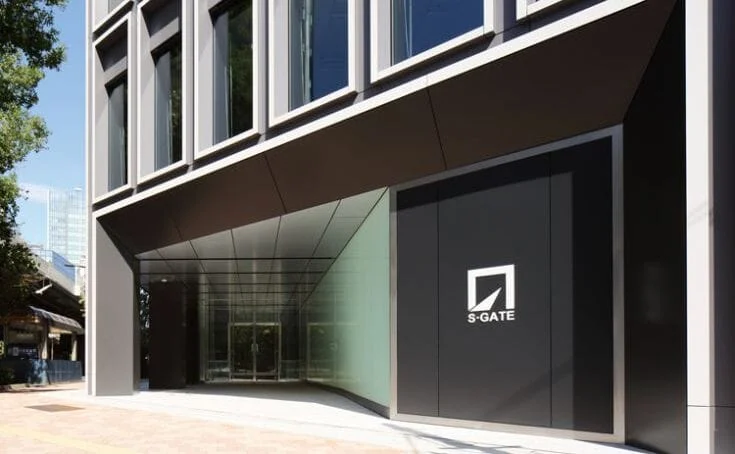
City Index Eleventh, a Japan-based investment entity, has increased its ownership in Sankei Real Estate Inc, lifting its combined holding with related shareholders beyond the 13 per cent threshold. The move, disclosed through recent regulatory filings, reinforces the investor group’s growing interest in the governance and capital positioning of listed property companies in Japan.
The increased stake positions City Index Eleventh among the more influential non-promoter shareholders in Sankei Real Estate, a Tokyo-listed firm with operations spanning development, leasing, and asset management. While the filing does not outline strategic intent, market observers view the accumulation as part of a broader pattern of selective, high-conviction investments in Japan’s real estate sector. Japan’s listed property market has drawn renewed attention in recent years, driven by a combination of relatively stable rental income, corporate governance reforms, and efforts to unlock shareholder value. Analysts note that activist and quasi-activist investors have increasingly targeted real estate firms with diversified asset bases but under-optimised balance sheets or conservative capital deployment strategies. City Index Eleventh has built a reputation in the Japanese market for acquiring meaningful minority stakes rather than pursuing outright control. Such positions allow investors to influence corporate direction through engagement, voting power, and market signalling, while avoiding the regulatory and financial complexities of takeovers. The increase in Sankei Real Estate stake aligns with this approach, suggesting a long-term view rather than a short-term trading play.
From an urban development perspective, changes in shareholder composition can have indirect but significant implications. Listed developers and asset managers often play a critical role in shaping commercial districts, residential supply, and mixed-use regeneration projects in major cities. Investors pushing for clearer strategy, disciplined capital allocation, and asset transparency can influence how and where capital is deployed across urban landscapes. Industry experts point out that Japan’s real estate companies are under growing pressure to balance financial performance with longer-term urban resilience. Issues such as ageing infrastructure, climate adaptation, and shifting patterns of office and retail demand are forcing developers to reassess portfolios. Shareholders with a focus on capital efficiency may encourage asset recycling, redevelopment, or greater use of real estate investment trusts to unlock value. Sankei Real Estate has not publicly commented on the stake increase, and there has been no indication of proposed management or board-level changes. However, governance specialists note that even without formal demands, sustained share accumulation can act as a catalyst for internal review, particularly when ownership crosses symbolic thresholds.
As global and domestic investors reassess exposure to real assets, Japan’s property sector remains a key arena where financial strategy intersects with city-making. Whether City Index Eleventh’s expanded holding leads to visible strategic shifts at Sankei Real Estate will become clearer over time, but the move underscores how capital markets continue to shape the future of urban real estate in subtle yet consequential ways.
Also Read: Rainbow Foundations Expands Real Estate Structure
City Index Eleventh Raises Sankei Real Estate Stake
