


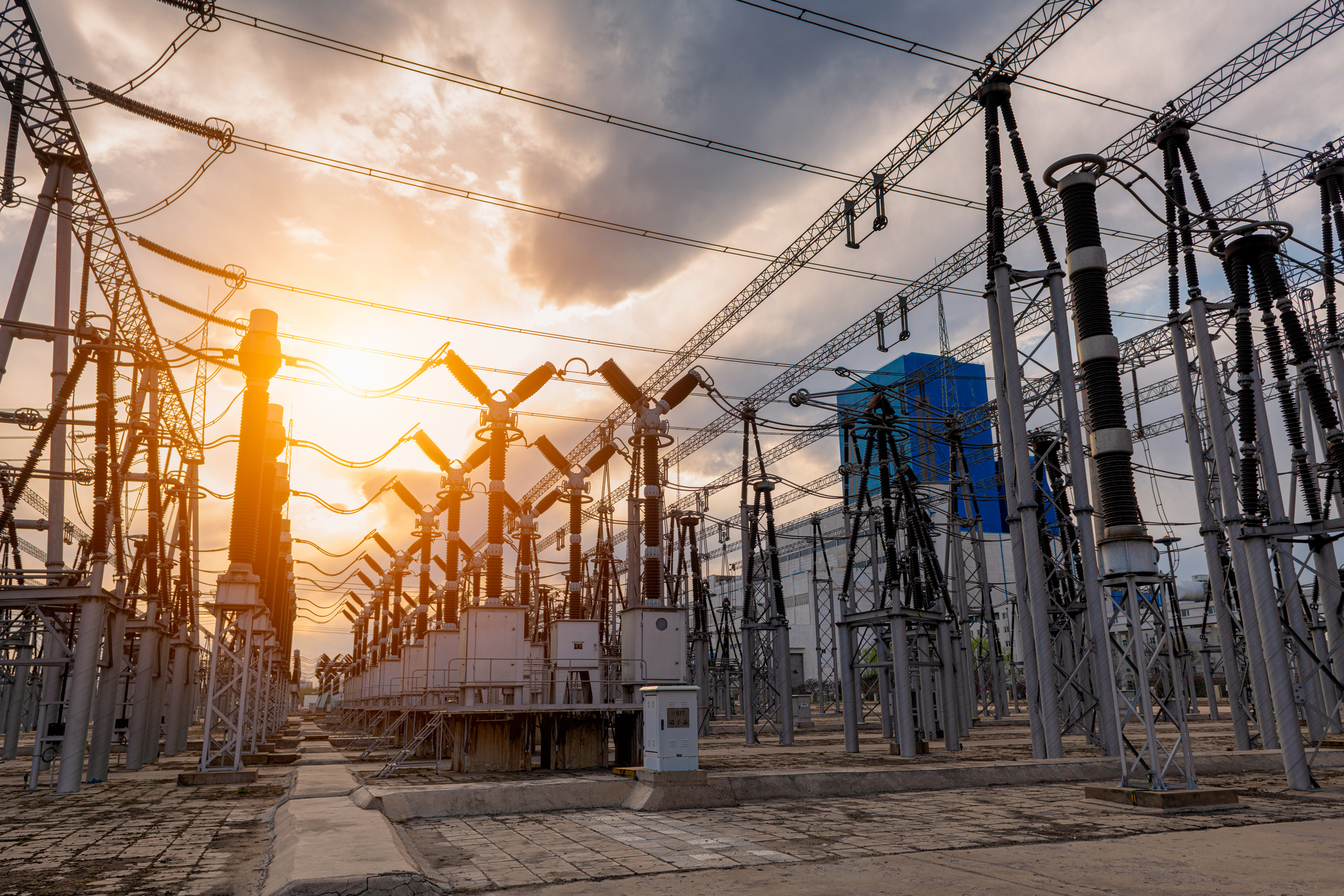
Chongqing and several southern Chinese cities are grappling with an unprecedented power crisis as record-breaking heatwaves push electricity demand to historic highs. Energy officials have reported a national power load exceeding 1.5 billion kilowatts—surpassing previous summer peaks and igniting concerns over grid stability. While solar energy has contributed significantly to power generation, authorities are bracing for potential rationing as heat continues to strain key infrastructure. With urban temperatures soaring beyond norms and forecasts warning of tropical storms, millions remain vulnerable to outages and heat-related health risks.
The crisis has swept across a large geographical swath—from inland megacities like Chongqing and Chengdu to coastal hubs such as Guangzhou—affecting industries, households, and transportation networks. In a nation already balancing industrial growth with climate adaptation, the dual challenge of surging urbanisation and extreme weather is exposing critical fault lines. Meteorologists attribute the severe heat to subtropical high-pressure systems and climate volatility, reporting that several weather stations recorded their highest-ever temperatures this week. Experts warn that energy infrastructure, especially in urban zones, may face structural limitations if the heat persists or intensifies. The energy load spike, while mitigated by solar and hydropower inputs, still leaves the grid vulnerable. In June alone, solar accounted for nearly half the increase in power supply, reflecting China’s accelerated clean energy deployment. However, water levels for hydropower remain lower than in 2022, reducing flexibility in the system.
Analysts highlight that while the current grid is holding, repeated demand shocks could overwhelm regional infrastructure. Provinces have broken 36 individual electricity records since the beginning of summer, marking a pattern of growing instability that threatens to disrupt manufacturing, public services, and essential city operations. The cascading effects of the heatwave are already visible in food systems, health services, and economic activity. Croplands are wilting, reducing farm incomes, while hospitals and public transit face operational stress. In Jiangxi, the average number of extreme-heat days has tripled since 2000, demonstrating the long-term shifts in climate patterns. Despite temporary relief anticipated from a storm system near Taiwan, forecasters caution that high-pressure zones may block its cooling effect—delaying any reduction in electricity use. Meanwhile, urban communities adapt using traditional techniques, such as using wax gourds to combat body heat, revealing both resilience and vulnerability.
Also Watch: “Mumbai will rock, shine and always be India’s best city to live.” In an exclusive, MHADA CEO Sanjeev Jaiswal (IAS) talks about Mumbai’s enduring charm, livability, and the government’s focus on making it affordable for all
China’s power grid stress offers a cautionary tale about the intersecting pressures of climate change, rapid urbanisation, and energy security. While solar and other renewables are stepping up, the scale and pace of the transition must accelerate further. Cities must now urgently invest in distributed energy systems, resilient grid technology, and proactive climate adaptation. Without these measures, future summers could see more frequent and severe disruptions. For a nation central to global manufacturing and climate leadership, this moment underscores a pressing need to design energy systems fit for an overheating planet.
Also Read: New Delhi Meets Non-Fossil Energy Target Five Years Before Deadline
Chongqing heatwave pushes China’s power grid to critical limits
