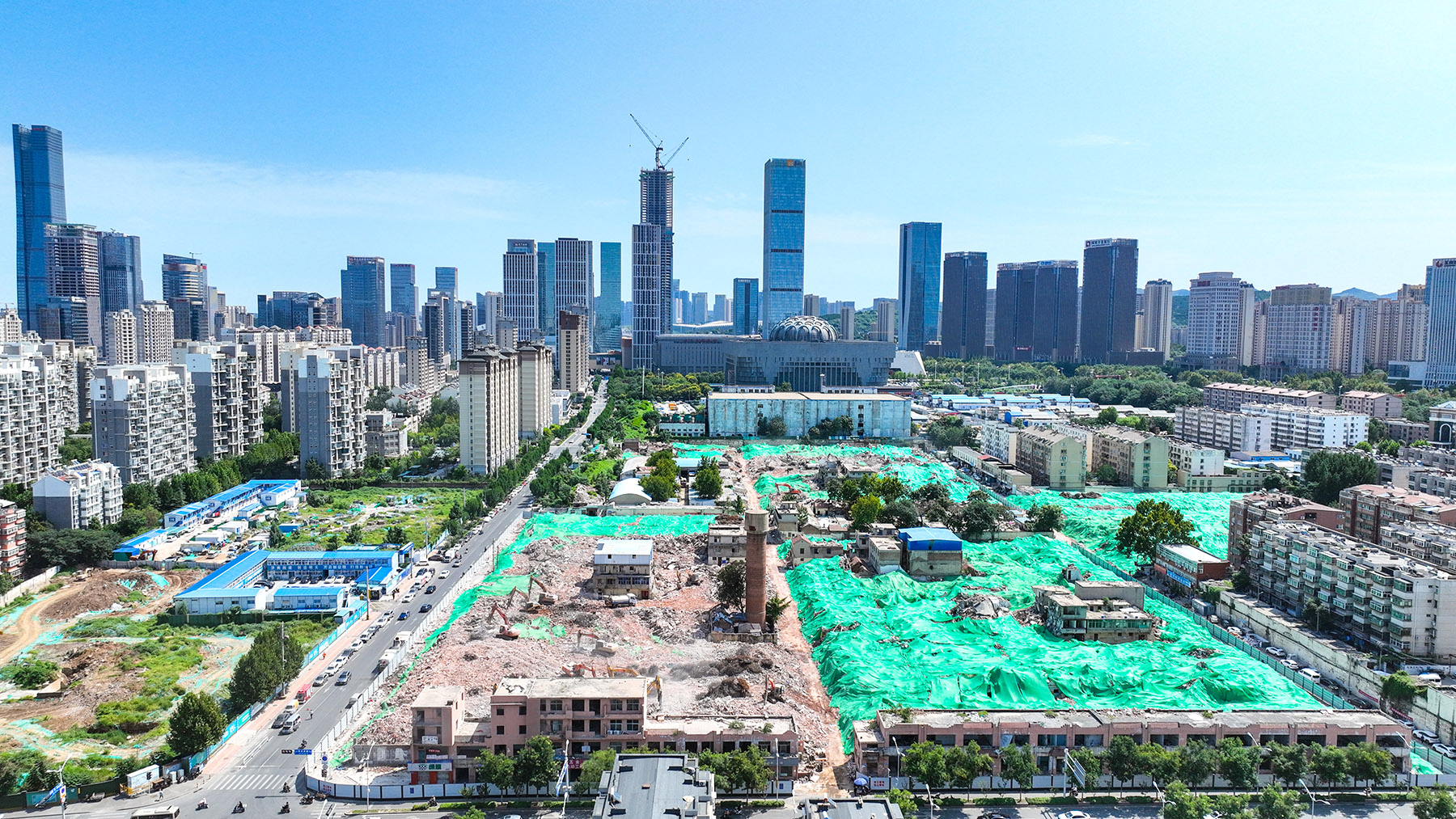
China’s Urban Renewal Drive Aims for Sustainable City Growth
China is embarking on a sweeping urban renewal initiative designed not just to modernise outdated infrastructure and improve residents’ quality of life, but also to revitalise its real estate market and domestic economy. With urbanisation reaching 67 percent of the population, Chinese cities face mounting challenges linked to ageing buildings, poor infrastructure, and constrained public spaces.
In mid-May, China’s top administrative bodies issued a comprehensive policy guideline on urban renewal, laying out a roadmap for revitalising cities by 2030. The plan includes gas pipeline upgrades, elevator installations in old residential blocks, and adaptive reuse of industrial and cultural sites. According to Yang Baojun, president of the Urban Planning Society of China, the initiative now goes far beyond residential upgrades — encompassing urban villages, industrial zones, and heritage districts.
Officials emphasise that the initiative isn’t just about physical reconstruction. It aims to build safe, efficient, and vibrant cities by integrating environmental goals, economic opportunity, and improved service delivery. The policy also prioritises heritage preservation and social equity, ensuring that urban growth does not come at the cost of cultural identity or inclusive access to infrastructure.
The economic logic behind this drive is strong. Revamped urban spaces fuel local consumption, raise property values, and boost tax revenues. In Suzhou, for instance, the revitalisation of Shiquan Street extended business hours and led to a revenue surge of up to 50 percent. Similarly, Wuxi’s conversion of old factory sites into a culture-tech industrial park attracted over 100 enterprises and generated annual tax income of over 15 million yuan.
Improving residential quality is a major pillar of the strategy. Nationwide, more than 280,000 ageing housing communities have been renovated between 2019 and 2024, directly benefiting over 120 million people. In many areas, the installation of lifts in old buildings is being prioritised — a move that has had a transformative impact for the elderly and persons with disabilities. The Ministry of Housing and Urban-Rural Development aims to complete upgrades for all pre-2000 urban housing by 2025.
Experts agree that the plan could create new economic drivers, including jobs in green construction, cultural tourism, and high-value services. Wang Binwu, an urban policy researcher, believes transforming underused districts into hubs for boutique retail and cultural experiences will spur both local and regional growth.