Ahmedabad Welcomes Orient Cement Approval To Shift Registered Corporate Base To Gujarat
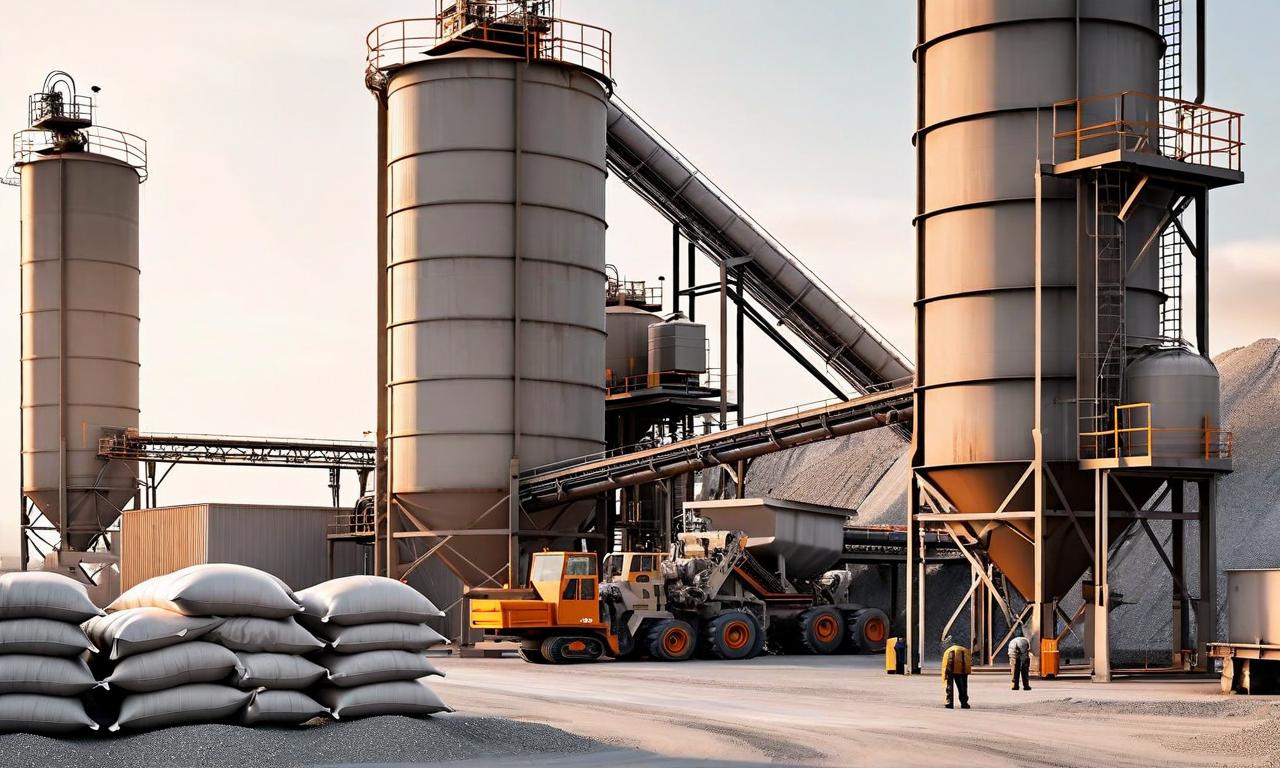
A lockout declared at a cement manufacturing facility in Chhattisgarh’s Baloda Bazar district has brought production to a standstill, leading to an estimated loss of 10,000 tonnes of cement per day. The move, effective from 18 December, follows prolonged labour non-cooperation that disrupted plant operations. While the financial impact is still being evaluated, the shutdown has raised concerns over supply continuity in a region closely linked to infrastructure and housing growth.
The management informed stock exchanges that the decision was taken after repeated operational interruptions, citing the need to protect assets and ensure workplace safety. Officials said the situation continues to be monitored, though no timeline has been indicated for resolving the labour issue or restarting production. The affected facility is among the company’s key operating units in central India, serving multiple construction markets across the region.Industry analysts note that such lockouts, while less frequent than strikes, often reflect deeper structural challenges in labour engagement. “Cement manufacturing relies on continuous operations, and even short disruptions can have outsized economic effects,” said an industry expert. With cement demand tied closely to public infrastructure spending and real estate activity, extended downtime could tighten regional supply and affect delivery schedules.
At current operating levels, the daily production loss could quickly accumulate if the lockout continues. Although the company has stated that all assets at the facility are insured, insurance coverage typically addresses physical risk rather than prolonged revenue loss. The absence of clarity on production resumption has prompted cautious monitoring by construction firms dependent on steady material availability.From a broader urban development perspective, disruptions in cement supply carry implications beyond industrial output. Cement is a critical input for housing, transport infrastructure, and public amenities, including projects aimed at improving climate resilience and reducing embodied carbon through efficient construction practices. Delays or cost pressures in core materials can slow project timelines, particularly for affordable housing and public infrastructure in emerging urban centres.Labour specialists argue that stable industrial relations are increasingly vital as India’s manufacturing sector expands alongside its urban footprint. “Sustainable industrial growth depends on predictable operations, fair labour practices, and effective dialogue mechanisms,” said a senior economist. Ensuring continuity in essential industries such as cement is central to building inclusive, resilient cities that balance economic growth with social stability.
As negotiations remain unresolved, the episode underscores the need for stronger labour-management frameworks that support uninterrupted production while safeguarding worker interests—an essential component of sustainable urban and industrial development.