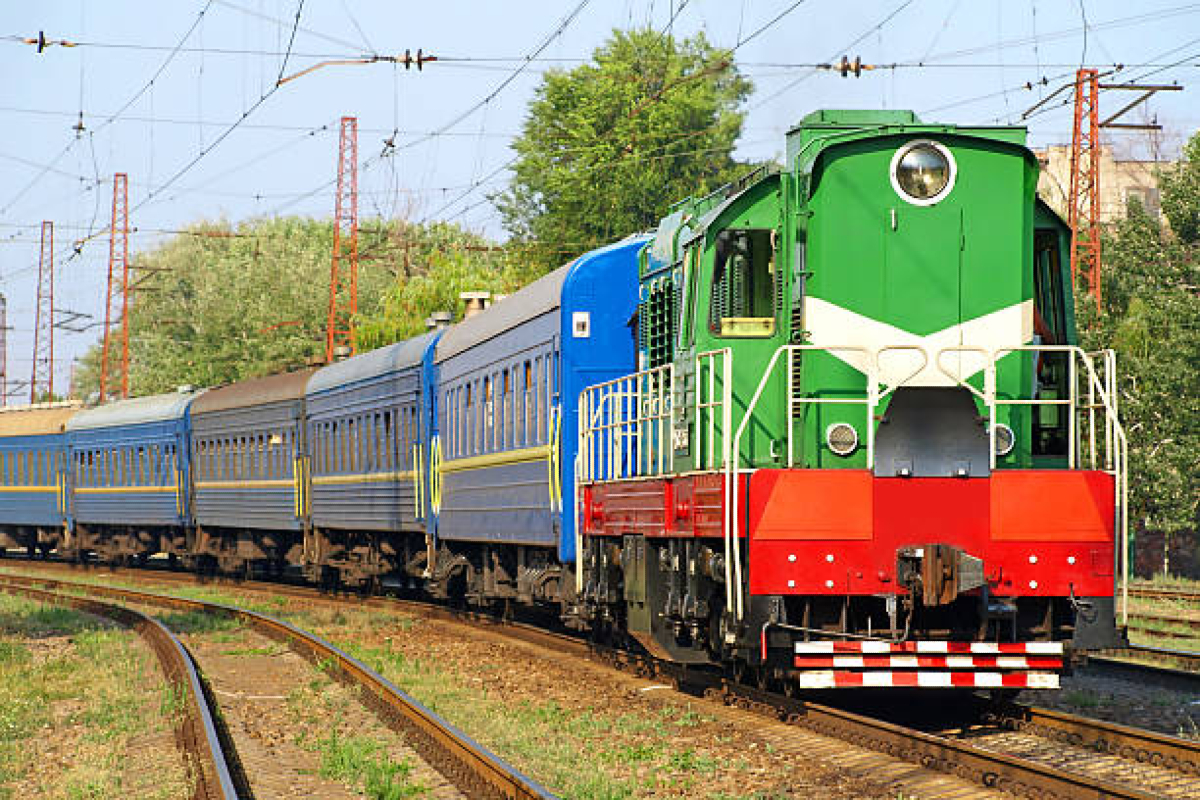
The Central government has greenlit a ₹8,741 crore railway expansion plan in Chhattisgarh, earmarked among the top ten strategic railway initiatives in the country. The ambitious project will involve the construction of the fifth and sixth rail lines between Kharsia, Naya Raipur, and Parmalkasa—critical corridors expected to redefine connectivity within the mineral-rich state.
This expansion seeks not just to bolster intercity rail movement but to unlock economic potential in under-connected regions like Baloda Bazar, bringing them into the mainstream of India’s developmental map. Announced by the Union Railway Minister during a media briefing in New Delhi, the new lines are poised to ease congestion across the existing network and introduce direct rail access to emerging growth centres. The project, spanning hundreds of kilometres, will also see the development of 21 new railway stations, 48 large bridges, and 349 minor bridges—testament to the scale and long-term planning underpinning this exercise. It is also aligned with the national agenda of creating future-ready infrastructure that is resilient, inclusive, and geared towards a carbon-neutral trajectory. With Chhattisgarh playing a pivotal role in the country’s coal and steel supply chains, the upgraded connectivity is expected to enhance freight efficiency and reduce logistical bottlenecks.
What distinguishes this expansion from routine upgrades is its strategic focus on equitable development. By extending railway access to lesser-served districts, the government is consciously pushing infrastructure into areas that have long remained in the shadows of state capitals and industrial hubs. Baloda Bazar, which stands to benefit from its newfound linkage, exemplifies this vision of spatial equity in infrastructure planning. Rail connectivity to such areas could spur investments in agro-processing, education, tourism, and rural mobility, all while reducing dependence on road networks and thus minimising carbon emissions over time.
Significantly, this large-scale investment coincides with a sharp rise in railway budgetary allocation for Chhattisgarh, now pegged at nearly ₹7,000 crore—over 22 times higher than what was allocated during the UPA era when the figure stood at just ₹311 crore. This surge in financial commitment indicates a prioritisation of railway-driven development in the state. While infrastructural benefits are likely to take shape over the next few years, the psychological boost to local economies, workers, and commuters is already palpable. The project also carries the potential to generate large-scale employment during its execution phase, especially through the construction of stations and bridges in rural zones.
As India inches closer to modernising its core transport corridors, the Chhattisgarh rail expansion stands out as a model that marries high-capex engineering with equitable regional development and long-term sustainability. The real test, however, will lie in timely execution, inclusive public engagement, and ensuring that infrastructure investments translate into lived gains for communities on the ground. For now, this rail initiative signals a determined move towards greener, faster, and more inclusive growth in the heartland of India.
Chhattisgarh gets major rail infrastructure upgrade