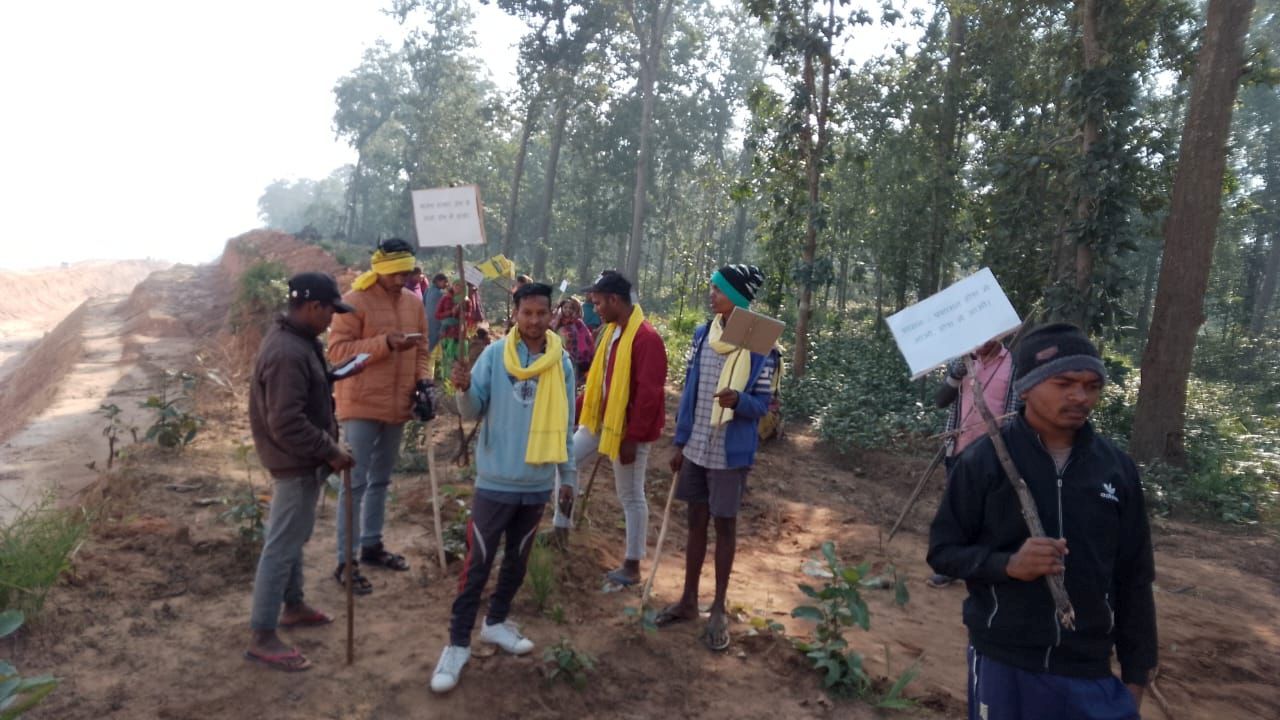
Chhattisgarh’s efforts to involve civil society in developing community forest resource (CFR) management plans have stalled, as its Forest Department prohibits external involvement. The resulting intra-government conflict has prompted state officials to seek clarity from the Centre. With tribal rights at the heart of the dispute, confusion persists on how best to support forest-dwelling communities under national conservation and livelihood mandates.
A growing rift between departments in Chhattisgarh has put the future of CFR management plans in limbo. While the tribal welfare department had nearly finalised a list of NGOs to help Gram Sabhas with conservation and livelihood-based forest use, the forest department issued a sudden prohibition. This has blocked NGO participation, stalling progress on plans outlined under a central government scheme launched in 2023.
The forest department’s ban stems from a May 2025 directive referencing a 2020 circular and a 2024 joint communication from the Centre. Citing its authority to coordinate community forest matters, the department claimed that no action can be taken until model CFR management plans are issued under the National Working Plan Code. This has directly impacted preparations underway by the tribal welfare department.
The Centre’s guidelines under the 2023 initiative emphasise that CFR management planning authority lies with Gram Sabhas and their elected committees. These community-led bodies were expected to take the lead, with NGOs providing support. However, the forest department has interpreted central directives differently, arguing that all planning must wait until official models are released. This has sidelined communities from managing their own forests.
Despite repeated guidelines stressing community ownership of resource planning, institutional turf wars have overshadowed tribal agency. Officials have now written to the Union Tribal Affairs Ministry, seeking direction. Meanwhile, Gram Sabhas remain on hold, unable to begin planning without state approval. Experts warn that delaying these grassroots initiatives weakens the core purpose of the Forest Rights Act and undermines sustainable forest governance.
As departments dispute over technicalities and control, forest-dwelling communities face uncertainty. While national policy affirms Gram Sabha-led conservation, implementation is stuck in bureaucratic paralysis. Unless the Centre provides swift clarity, Chhattisgarh risks losing momentum on empowering its tribal communities. Moving forward will require restoring trust in local self-governance, respecting legal mandates, and ensuring all actors work collaboratively for equitable and sustainable forest management.