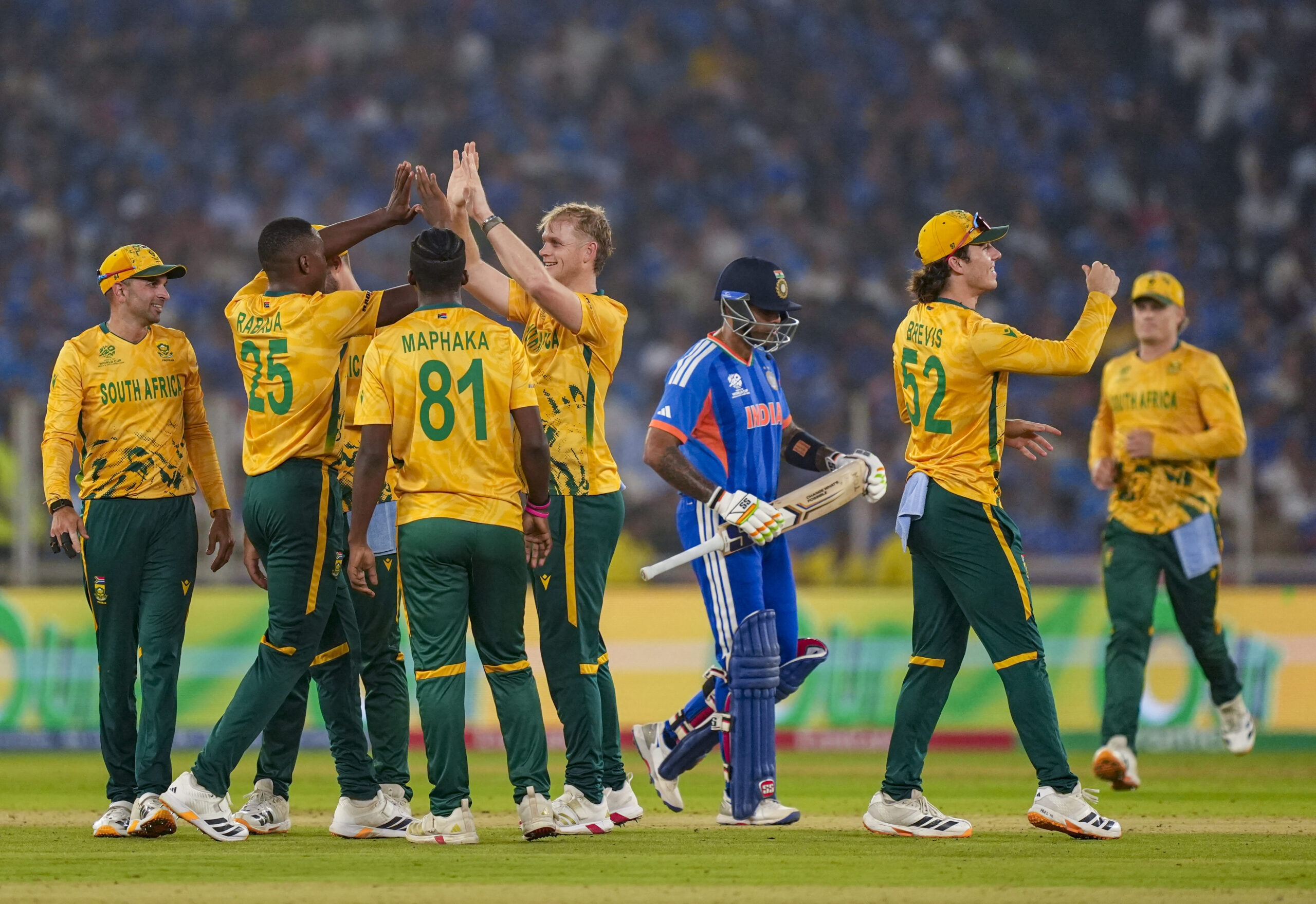
Chennai is set to host a critical Super 8 encounter in the T20 World Cup 2026 as India faces Zimbabwe at the MA Chidambaram Stadium. Following a setback in their opening Super 8 fixture, the co-hosts confront mounting pressure to secure a victory, with tournament progression at stake. The outcome of this match carries implications beyond sport, affecting fan engagement, urban mobility, and the economic activity surrounding major sporting events in the city.
Weather forecasts indicate stable conditions throughout Thursday, with maximum daytime temperatures reaching 31°C and evening lows around 27°C. Humidity is expected to remain high, approximately 79 per cent, while cloud cover is minimal. For tournament organisers and city authorities, these conditions reduce the likelihood of disruptions to the tightly scheduled fixtures and related urban services, including transport and hospitality sectors. A particular concern in the evening session is dew formation, which could influence pitch behaviour. Teams relying on spin-heavy bowling attacks may find gripping the ball more challenging, potentially impacting match strategy and outcomes. Urban planners and stadium authorities often monitor these microclimatic effects closely, recognising that even subtle weather shifts can affect both gameplay and spectator safety in densely packed sporting venues.
The match also highlights the broader economic and social role of international sports events in urban areas. Hotels, restaurants, and public transport in Chennai typically experience increased demand during such fixtures, underscoring the need for integrated urban planning to accommodate surges in population density. A washout or delayed match, while unlikely on Thursday, could have ripple effects on local businesses and city services, echoing challenges observed in prior international tournaments where weather interruptions prompted logistical and commercial adjustments.
From a governance perspective, the absence of reserve days in the Super 8 stage means organisers must balance competitive fairness with urban management imperatives. Both teams must complete a minimum number of overs to secure points, intensifying the stakes for players and officials. Event management experts note that Chennai’s infrastructure, including stadium drainage and crowd management systems, is being tested under these high-pressure conditions, offering lessons for future city-hosted international tournaments. As evening approaches, close monitoring of microclimatic factors and strategic coordination between cricket boards and city authorities will be crucial. For Chennai, the event reinforces the city’s role as a climate-resilient host capable of supporting global sports while maintaining safety, accessibility, and economic opportunity. The match outcome, while uncertain, is embedded in a broader urban and economic context that extends far beyond the boundary ropes.