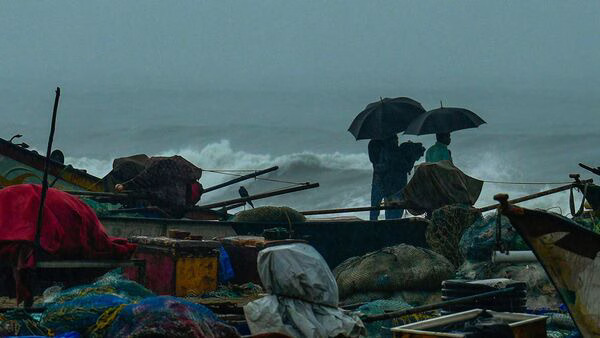
Chennai is preparing for a brief but notable shift in weather conditions as meteorological patterns over the Bay of Bengal signal the onset of light to moderate rainfall across the city and surrounding districts. Urban and civic officials are closely monitoring the developing system, which may influence daily commuting, municipal services, and short-term urban infrastructure resilience.
A low-pressure area over the equatorial Indian Ocean and southwest Bay of Bengal has been intensifying, gradually moving northwest. Meteorologists indicate that this system is likely to trigger widespread showers over southern and coastal Tamil Nadu, including key urban corridors such as Chennai, Puducherry, and Karaikal. While initial rain is expected to be light, forecasts suggest thunderstorms and lightning events in select districts over the next two days. Urban planners emphasise that even brief heavy rain can exacerbate surface water accumulation in low-lying areas, highlighting the ongoing need for stormwater management and climate-resilient drainage systems.
For Chennai, partly cloudy skies are expected to dominate, with sporadic light rain potentially affecting late afternoons and evenings. Urban transport authorities have issued preliminary advisories for commuters, noting that early morning light fog could reduce visibility across northern districts. While the immediate impact on city traffic may be limited, experts warn that fog combined with rainfall could increase travel times, disrupt last-mile connectivity, and pose challenges for construction and outdoor work schedules. From an economic perspective, short-term weather fluctuations such as these are relevant for sectors including logistics, real estate, and urban services. Companies reliant on on-ground operations ranging from delivery and ride-hailing services to municipal waste management may need to adjust operations to mitigate delays. Urban resilience analysts note that repeated small-scale weather disruptions underscore the importance of embedding adaptive strategies into city planning, such as rainwater harvesting, flood-resistant infrastructure, and early warning communication systems.
The developing system is expected to maintain activity through the 23rd and 24th, although rainfall intensity is likely to vary by region. Officials continue to urge citizens to exercise caution while commuting, particularly during early mornings and late evenings when visibility is low. Urban stakeholders are also encouraged to use this period to evaluate drainage efficiency and emergency preparedness ahead of the monsoon season. As Chennai navigates these weather events, the situation reinforces the broader imperative of integrating climate-resilient design into urban infrastructure. Beyond immediate inconveniences, these developments offer a reminder that adaptive city planning, sustainable water management, and resilient transportation networks are critical to maintaining economic activity and citizen safety in a changing climate.