


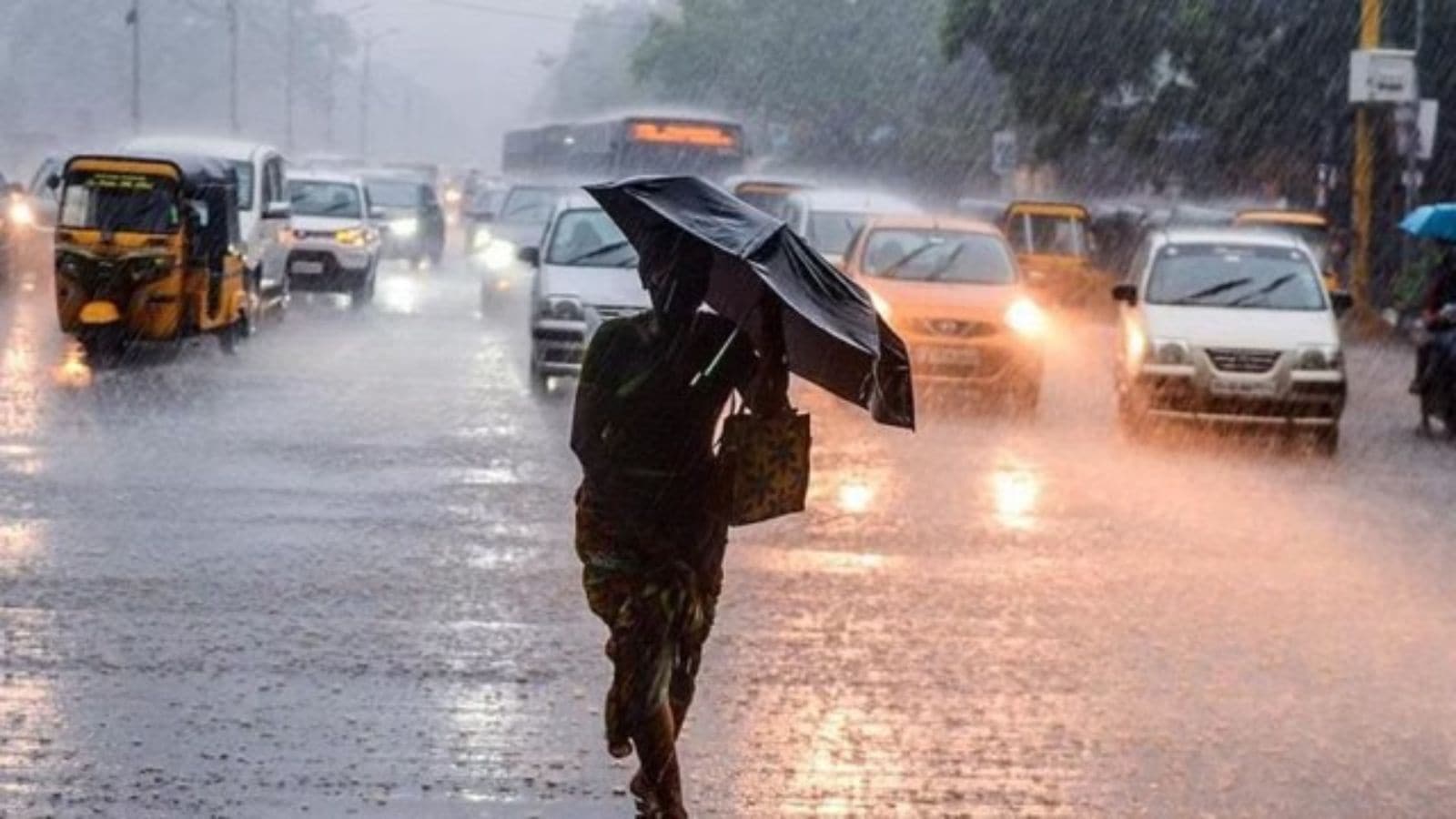
Chennai Braces for Heavy Rainfall as Weather Advisory Issued
Chennai and several districts across Tamil Nadu are under heightened weather alerts as meteorological agencies forecast heavy rainfall and potential thunderstorms over the coming days.
Officials warn that intense showers may exacerbate urban flooding, disrupt transport, and strain infrastructure, highlighting the city’s ongoing challenges with climate resilience and urban drainage management.A senior city meteorologist noted that the current weather pattern is influenced by a combination of residual monsoon activity and local atmospheric instability. These conditions have led to a significant probability of short-duration, high-intensity rainfall events concentrated in low-lying urban zones. City planners emphasise that even moderate precipitation can overwhelm drainage networks if compounded by inadequate maintenance or encroachments along waterways.Urban mobility is expected to be impacted, particularly on arterial roads and key commuting corridors. Industry experts indicate that severe localized downpours could slow traffic, disrupt public transport schedules, and increase the risk of waterlogging in areas with poor stormwater management. Authorities are reportedly coordinating with traffic control departments and municipal bodies to ensure timely alerts and mitigation strategies.The weather advisory also raises concerns for Chennai’s real estate and built environment. Residential complexes, commercial hubs, and ongoing construction sites are vulnerable to water intrusion, soil erosion, and temporary operational disruptions.
Urban planners stress that integrating flood-resilient infrastructure, permeable surfaces, and efficient drainage systems is critical for long-term climate adaptation in Chennai and other rapidly expanding Tamil Nadu cities.Environmental analysts highlight that such weather events are symptomatic of broader climatic shifts in the region, including rising temperatures and unpredictable precipitation patterns. Cities with dense populations and unplanned urban expansion face heightened exposure to hazards, underlining the need for robust early-warning systems and community-level preparedness. Socially, vulnerable communities residing in low-lying or poorly serviced zones are at increased risk, emphasising equitable planning and proactive disaster management.Officials have urged residents to monitor local advisories, avoid non-essential travel during peak rainfall periods, and secure property against potential waterlogging. Meanwhile, municipal authorities continue to deploy ground teams for clearing drains, reinforcing embankments, and ensuring that emergency response protocols are operational. Experts indicate that integrating climate-resilient urban planning and real-time weather monitoring could significantly reduce both economic and social impacts of such events.
Chennai’s ongoing experience underscores the urgent need for cities across Tamil Nadu to strengthen climate resilience, upgrade drainage and transport infrastructure, and implement community-focused early-warning mechanisms. While short-term disruptions are anticipated, proactive measures today will shape the city’s capacity to withstand similar extreme weather in the future.
Also Read:Chennai Housing Market Shows Resilient Growth
