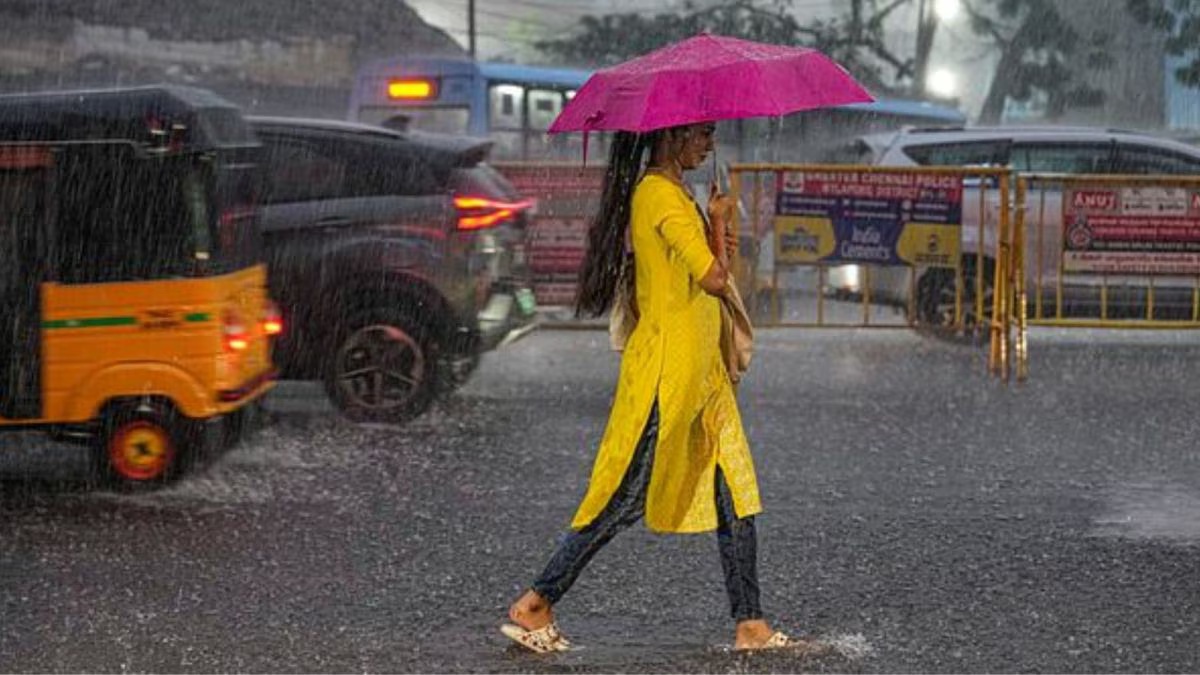
Chennai Weather Alert Affects Western Ghat Districts
Chennai, Tamil Nadu a developing low-pressure system over the southwest Bay of Bengal is expected to bring intermittent rainfall to the Western Ghats in Tamil Nadu over the next two days, potentially influencing urban and rural dynamics in the region. Forecasts indicate light to moderate showers at isolated locations, while the remainder of the state, including Puducherry and Karaikal, is likely to remain largely dry.
The Regional Meteorological Centre has tracked the low-pressure area’s northeastward shift, noting its gradual movement could sustain wet conditions in elevated Western Ghat districts. Urban planners and infrastructure specialists highlight that even light rainfall can exacerbate existing drainage challenges in hill-adjacent towns and influence road accessibility, particularly in areas prone to flash flooding or surface water accumulation. In low-lying and peri-urban settlements, rainfall during this period may temporarily slow construction activity and impact logistics, particularly for building material transport. Developers and municipal authorities often adjust schedules for labour-intensive projects during seasonal precipitation events to minimise disruption. From a sustainability perspective, targeted rainfall forecasts help municipalities manage water resources and reduce unplanned surface runoff, supporting the city’s long-term climate resilience goals.
Experts point out that while the immediate rainfall is geographically limited, the event is indicative of broader monsoon variability patterns. Changing precipitation dynamics in the Western Ghats influence river flows, groundwater recharge, and local microclimates, all of which have downstream effects on urban water management systems. For Chennai and nearby urban centres, monitoring such low-pressure systems aids in early warning protocols for traffic, municipal services, and public safety, particularly in densely populated neighbourhoods. Additionally, atmospheric conditions are expected to produce mist and haze in early mornings across northern and western districts, including Salem, Vellore, and Tiruvallur. These conditions may reduce visibility, affecting daily commutes and urban transport networks. City traffic management units and logistics operators often leverage such meteorological insights to adjust schedules, mitigating potential accidents and delays.
While the rainfall is unlikely to significantly alter broader economic activity in Tamil Nadu, it underscores the importance of integrating climate-resilient infrastructure in both urban and peri-urban planning. Authorities and developers are increasingly prioritising green drainage solutions, resilient road networks, and adaptive construction practices to accommodate short-term weather events while preparing for long-term climate shifts. Overall, the low-pressure system serves as a reminder of the intersection between natural weather patterns and urban functionality. Continuous monitoring and proactive municipal management remain critical to sustaining economic activity and ensuring equitable, people-focused urban development in the face of climate variability.