


Chennai’s water utility is preparing to deploy robotic inspection systems across its underground pipeline network, marking a technology-led shift in how India’s large cities manage ageing water and sewer infrastructure. The move, planned citywide, aims to reduce frequent road excavations while improving the reliability of water supply and wastewater services in a fast-growing, climate-vulnerable metropolis.
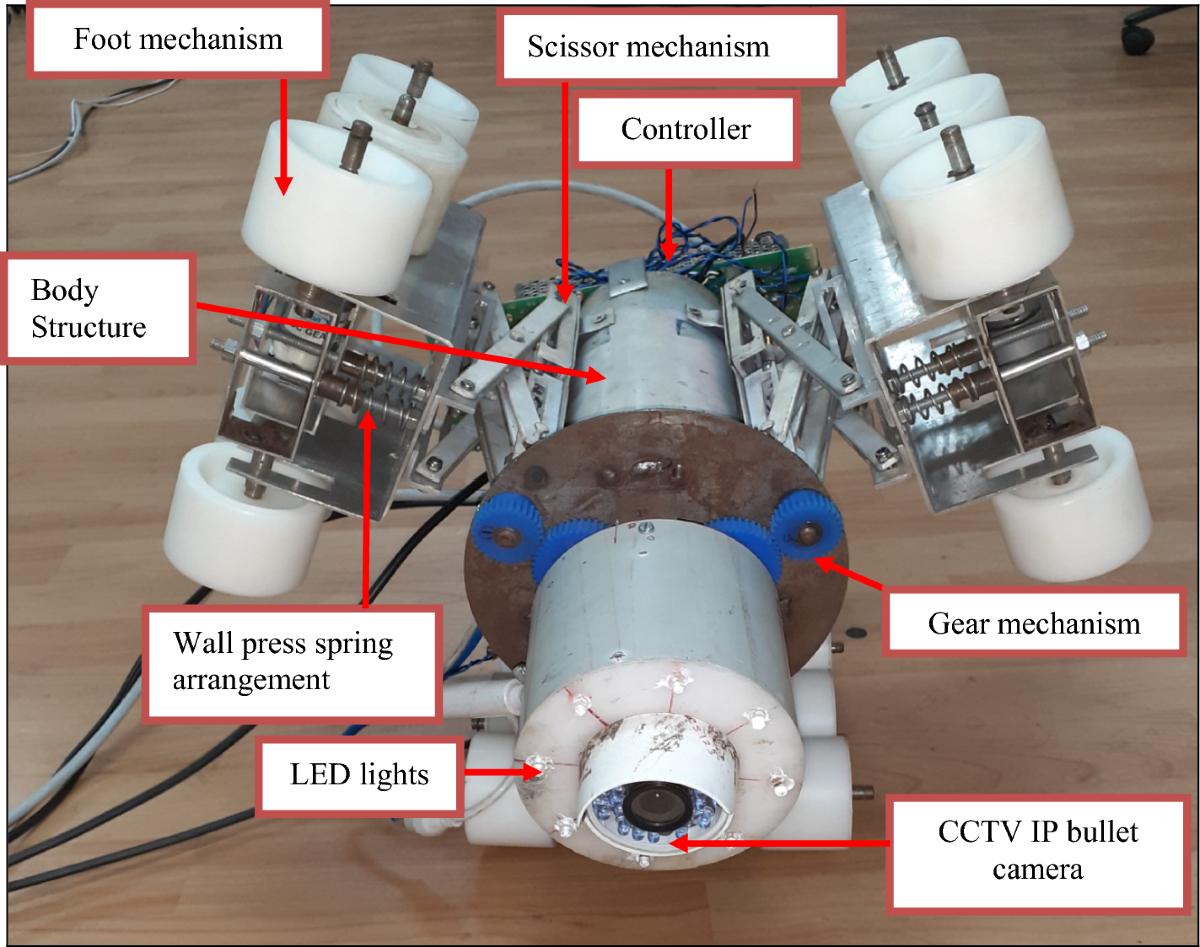
Under the new programme, robotic crawler systems equipped with high-resolution cameras and laser-based profiling tools will be inserted directly into live pipelines. These machines can travel long distances inside water mains and sewer lines, recording detailed footage of internal conditions without disrupting surface activity. For a city where road cuts routinely snarl traffic and inconvenience pedestrians, the approach represents a significant operational change.Officials involved in the planning say Chennai’s underground network includes large stretches of pipelines laid several decades ago. Many of these assets are now susceptible to internal corrosion, joint failures and hidden leaks that are difficult to detect using conventional methods. Robotic inspections allow engineers to identify structural weaknesses, blockages and contamination risks early, enabling targeted repairs rather than reactive emergency works.
The system has been designed to accommodate a wide range of pipeline sizes, from small distribution lines to large trunk mains and sewer conduits. Inspection data—including videos, still images and digital defect maps—will be compiled into detailed reports to guide maintenance decisions, pipe replacement schedules and capital planning. Payments to inspection agencies will be linked to the length of pipeline surveyed, encouraging systematic coverage rather than isolated checks.Urban infrastructure experts see broader implications beyond operational efficiency. Reducing repeated excavation lowers construction waste, dust pollution and carbon emissions associated with road repairs. It also protects newly resurfaced streets, an issue that has long frustrated residents and local businesses. In dense neighbourhoods, fewer road cuts can improve pedestrian safety and reduce disruption to informal economic activity.
The decision follows earlier trial inspections conducted on selected pipeline stretches, which revealed internal damage not visible from the surface. In some cases, older pipe materials were found to be underperforming and were replaced with more durable alternatives. Officials say the pilot demonstrated that data-driven inspections can extend asset life while avoiding unnecessary blanket replacement.The utility has moved to engage specialised agencies for a multi-year inspection programme, with provisions for backup robotic systems to ensure continuity. Daily operations are expected to run for extended hours to maximise coverage across all city zones. Progress reporting and digital documentation will form a core part of the contractual requirements.
As climate pressures intensify and urban water systems face rising stress, planners argue that cities like Chennai must invest not only in new supply sources but also in smarter asset management. Robotic inspections signal a step towards preventive maintenance, where underground infrastructure is monitored continuously rather than repaired only after visible failure.The effectiveness of the initiative will ultimately depend on how inspection insights translate into timely repairs and long-term renewal plans. If implemented at scale, the approach could offer a replicable model for other Indian cities seeking resilient, people-first water infrastructure without compounding surface-level disruption.
Also Read:Delhi Infrastructure Push Targets Water Security
