


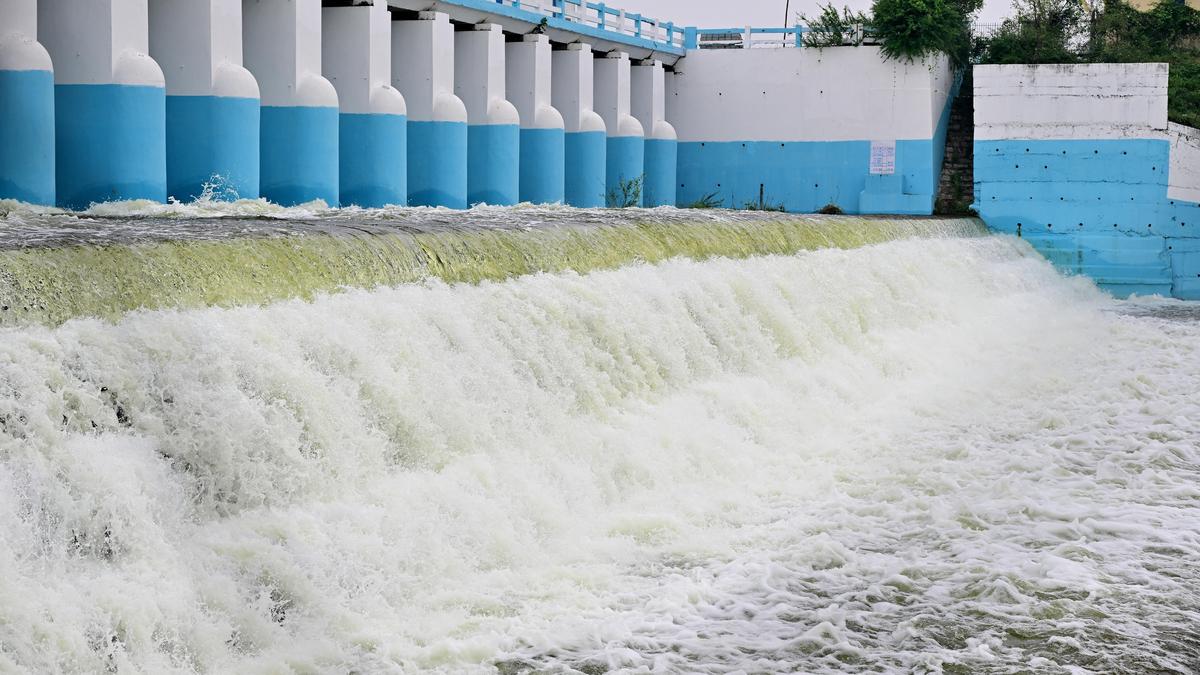
Chennai Expands Continuous Water Supply Across Key Urban Zones
Chennai is advancing its push toward uninterrupted urban water access, with authorities expanding 24-hour drinking water supply to additional neighbourhoods in the Adyar zone.
The move marks a critical step in modernising the city’s water distribution network, aiming to improve reliability, reduce dependency on storage systems, and strengthen climate-resilient urban infrastructure.
Officials indicate that the expansion is part of a phased transition from intermittent supply to continuous distribution, a model widely regarded as more efficient and equitable. Unlike scheduled water delivery, 24-hour supply ensures consistent pressure in pipelines, reduces contamination risks, and minimises the need for household-level storage, which can often compromise water quality.Urban planners highlight that the Chennai water supply transformation is closely tied to infrastructure upgrades, including pipeline rehabilitation, leak detection systems, and improved monitoring mechanisms. These measures are essential for managing water losses—commonly referred to as non-revenue water—and ensuring that supply remains sustainable even as demand grows across residential and commercial sectors.The Adyar zone, characterised by a mix of established residential areas and emerging developments, presents a strategic test case for scaling continuous supply systems. Experts note that implementing 24-hour access in such zones can support higher-density urban living while reducing the logistical burden of tanker-based water delivery, which has long supplemented Chennai’s supply during shortages.
From a real estate perspective, reliable water infrastructure significantly enhances property value and livability.Developers and housing societies increasingly prioritise locations with stable utility services, particularly in cities like Chennai where water scarcity has historically influenced residential choices. Analysts suggest that improvements in the Chennai water supply system could encourage more balanced urban expansion and reduce pressure on overburdened localities.Environmental considerations also underpin the shift toward continuous supply. Efficient distribution reduces wastage and energy consumption associated with pumping and storage, contributing to lower carbon emissions. Additionally, integrated water management strategies—including rainwater harvesting and wastewater recycling—are expected to complement the upgraded network, supporting long-term sustainability goals.A senior infrastructure expert emphasised that while the transition to 24-hour supply is promising, its success depends on sustained maintenance, public awareness, and responsible consumption. Ensuring equitable access across socio-economic groups remains a priority, particularly in areas where infrastructure gaps persist.
As Chennai continues to grapple with the dual challenges of rapid urbanisation and climate variability, the expansion of continuous water supply represents a shift toward more resilient and efficient city systems. The coming phases will determine how effectively the model can be scaled citywide, shaping the future of urban water management in one of India’s most water-stressed metros.
Also Read:Chennai Cable Industry Sees Strong Growth
