Chennai Water Supply Disruption Hits City Households
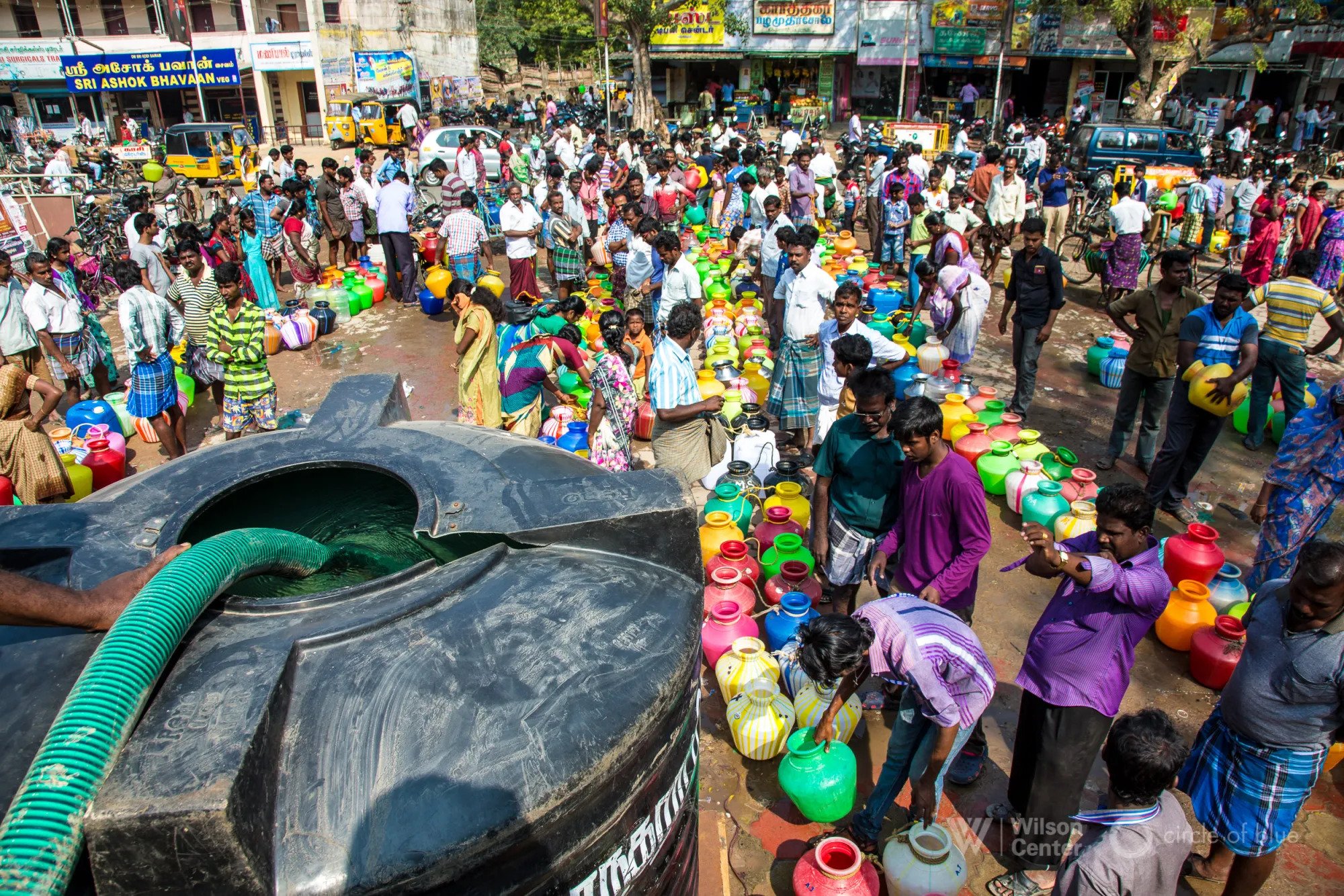
Chennai is confronting a growing urban infrastructure challenge as residents of a prominent apartment complex on Velachery Main Road report persistent contamination in the municipal water supply. Over the past month, nearly 40 households have been compelled to rely on privately sourced tanker water after the local Metro Water pipeline repeatedly delivered sewage-tainted water, raising both public health and urban planning concerns.
Apartment officials noted that initial inspections by Metro Water authorities failed to identify pipeline leaks, prompting residents to repair and waterproof their underground sump system independently. Despite these efforts, the problem persisted, highlighting systemic vulnerabilities in Chennai’s water distribution infrastructure and the limits of reactive maintenance in densely populated urban settlements.Urban planners and water management specialists stress that such incidents underscore the urgent need for resilient and monitored water networks capable of detecting contamination before it reaches end users.
“In cities like Chennai, ageing pipelines intersect with high-density housing, creating points of vulnerability that require proactive surveillance,” said a senior municipal official involved in city infrastructure planning. Experts add that recurring contamination not only impacts household health but also imposes significant financial burdens, particularly for residents forced to procure bulk water from private vendors. The episode also reflects broader challenges in Chennai’s rapid urban expansion. As new residential developments proliferate in the Velachery corridor and other suburban nodes, municipal authorities face mounting pressure to ensure the integrity of essential utilities. Efficient water supply is closely linked to equitable urban development, and disruptions in service can exacerbate socio-economic disparities. Residents in well-served complexes often shoulder additional costs when public infrastructure falters, while less affluent households may face heightened exposure to unsafe water.
Economically, recurring contamination incidents can influence real estate perceptions and market confidence. Industry analysts note that potential buyers increasingly consider infrastructure reliability, including water and sewage safety, when evaluating investment in urban housing projects. Municipal authorities are thus compelled to integrate technological monitoring, regular pipeline audits, and rapid-response mechanisms into city water management strategies. Metro Water officials have indicated plans for a follow-up inspection to address the reported contamination. Observers suggest that long-term solutions will likely require both upgraded pipeline networks and community-level engagement, ensuring early reporting and swift mitigation of water quality issues. For Chennai, incidents such as these reinforce the critical link between resilient urban infrastructure and sustainable, people-first city development.