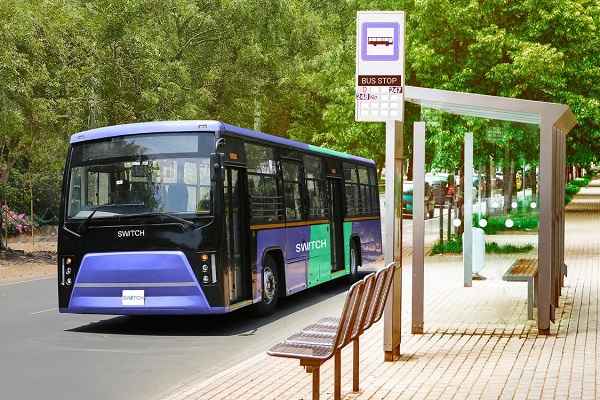
Chennai’s public transport network is set for a transformative expansion, as the city’s transport authority moves to acquire 1,270 additional low-floor buses aimed at improving urban mobility and last-mile connectivity. The procurement includes 500 air-conditioned electric buses, 250 non-AC electric buses, 300 seven-metre AC buses, 70 low-floor AC buses, and 150 compact five-metre micro buses designed to link neighbourhoods with the metro network efficiently.
Urban planners and transportation experts note that such a scale of expansion marks a critical step towards reducing dependence on private vehicles and mitigating traffic congestion across the metropolitan area. “Integrating smaller buses for feeder services can substantially increase accessibility on interior city roads, while larger electric buses reduce emissions on major corridors,” said a senior official overseeing city mobility initiatives. The city’s fleet has already absorbed 625 electric buses under the Sustainable Urban Services Programme, a project backed by international finance institutions.
A second phase is now underway, targeting 750 additional electric buses, which will operate under a gross cost contract model, with a combined investment exceeding ₹1,300 crore. This includes upgrades to seven existing depots and the development of six new facilities, reflecting an emphasis on infrastructure readiness alongside fleet expansion. Transport economists highlight the dual economic and environmental benefits of the plan. By deploying high-capacity, low-floor electric buses on busy corridors, Chennai aims to reduce urban air pollution, lower operational costs for the transit authority, and encourage a modal shift away from private vehicles. The introduction of micro and small buses also addresses the persistent challenge of first- and last-mile connectivity, particularly in densely populated inner-city districts where conventional large buses struggle to navigate.
The newly inducted buses will cover 12 major routes spanning northern, central, and southern zones, enhancing mobility between industrial hubs, residential areas, and metro stations. Experts suggest that coordinated deployment of such buses can help optimise service frequency and commuter wait times, while improving inclusivity by providing accessible options for elderly and differently-abled passengers. While this initiative represents a significant leap in Chennai’s urban transport evolution, sustained improvements will require complementary measures, such as integrated ticketing, real-time route tracking, and dedicated bus corridors. Urban development analysts emphasise that aligning fleet expansion with broader city planning and sustainable infrastructure policies is essential for creating a climate-resilient, people-first public transport system.