


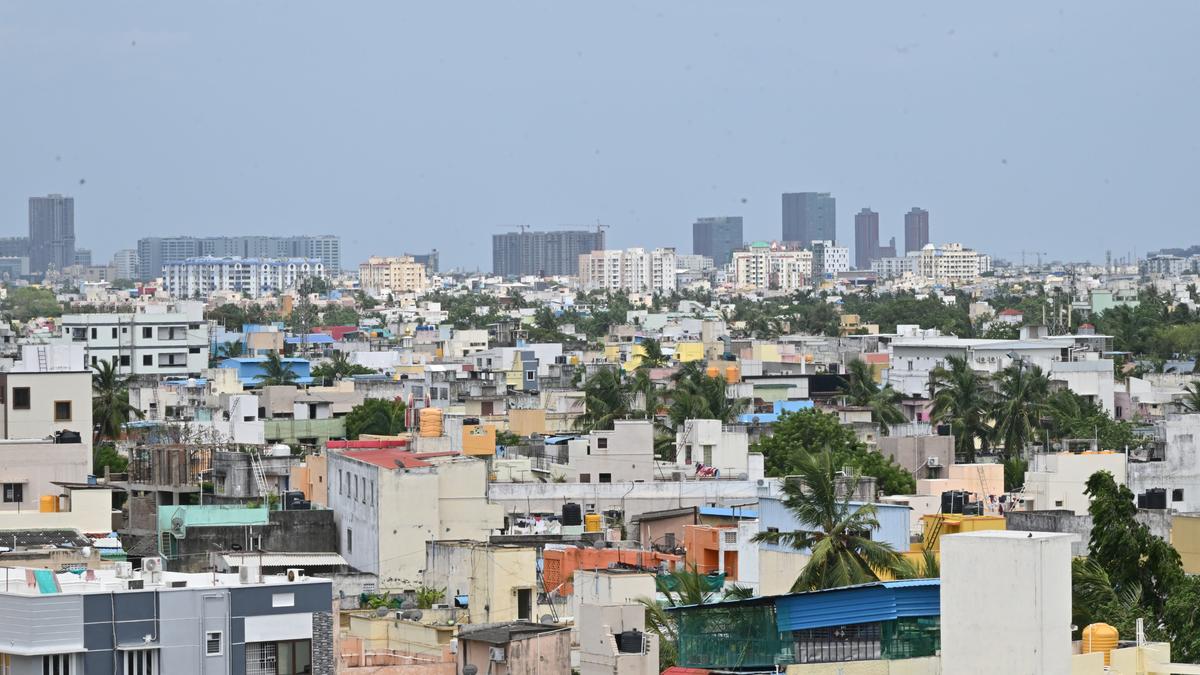
Chennai is experiencing increasingly uneven summer heat patterns, with certain neighbourhoods recording significantly higher temperatures than others—a trend that underscores the growing impact of urban design on climate exposure.
Recent observations indicate that temperature variations across the city are becoming more pronounced, driven by factors such as land use, building density, and availability of green cover. The emerging Chennai urban heat hotspots phenomenon reflects how rapidly expanding urban environments can amplify climate stress in specific pockets.Climate experts point to the urban heat island effect as a key driver behind these disparities.Areas with dense construction, limited vegetation, and high surface heat absorption tend to trap and retain more heat, leading to elevated temperatures compared to greener or less built-up zones. In Chennai, such conditions are increasingly evident in commercial corridors and high-density residential areas.The Chennai urban heat hotspots trend has significant public health implications.Prolonged exposure to high temperatures can increase the risk of heat-related illnesses, particularly among vulnerable populations such as the elderly, children, and outdoor workers.Uneven heat distribution also means that some communities face disproportionate risks, raising concerns about climate equity.Urban planners emphasise that infrastructure and design choices play a critical role in shaping local climate conditions.
The reduction of open spaces, loss of tree cover, and widespread use of heat-retaining materials contribute to rising temperatures.Conversely, areas with parks, water bodies, and shaded streets tend to remain relatively cooler.The economic impact is also notable.Higher temperatures can lead to increased energy consumption for cooling, placing additional strain on power infrastructure and raising household expenses. Businesses, particularly those reliant on outdoor activity, may face productivity losses during peak heat periods.Addressing the Chennai urban heat hotspots requires a combination of policy interventions and planning strategies. Experts suggest expanding urban green cover, promoting reflective building materials, and integrating climate-sensitive design into development regulations. Initiatives such as cool roofs and shaded public spaces are increasingly being considered as practical solutions.There is also a need for improved data and monitoring systems. Mapping temperature variations across the city can help authorities identify high-risk zones and prioritise interventions. Such data-driven approaches are essential for building climate-resilient urban environments.The issue ties into broader sustainability goals. As cities like Chennai continue to grow, managing heat stress will be critical to ensuring long-term liveability. Integrating climate considerations into urban planning is no longer optional but necessary to mitigate the effects of rising temperatures.
The evolving Chennai urban heat hotspots pattern serves as a reminder that climate change impacts are not uniform within cities. Addressing these disparities will require coordinated action across planning, infrastructure, and public health systems to create more equitable and resilient urban spaces.
Also Read:Chennai Paid Poll Holiday Rule Boosts Voter Access
