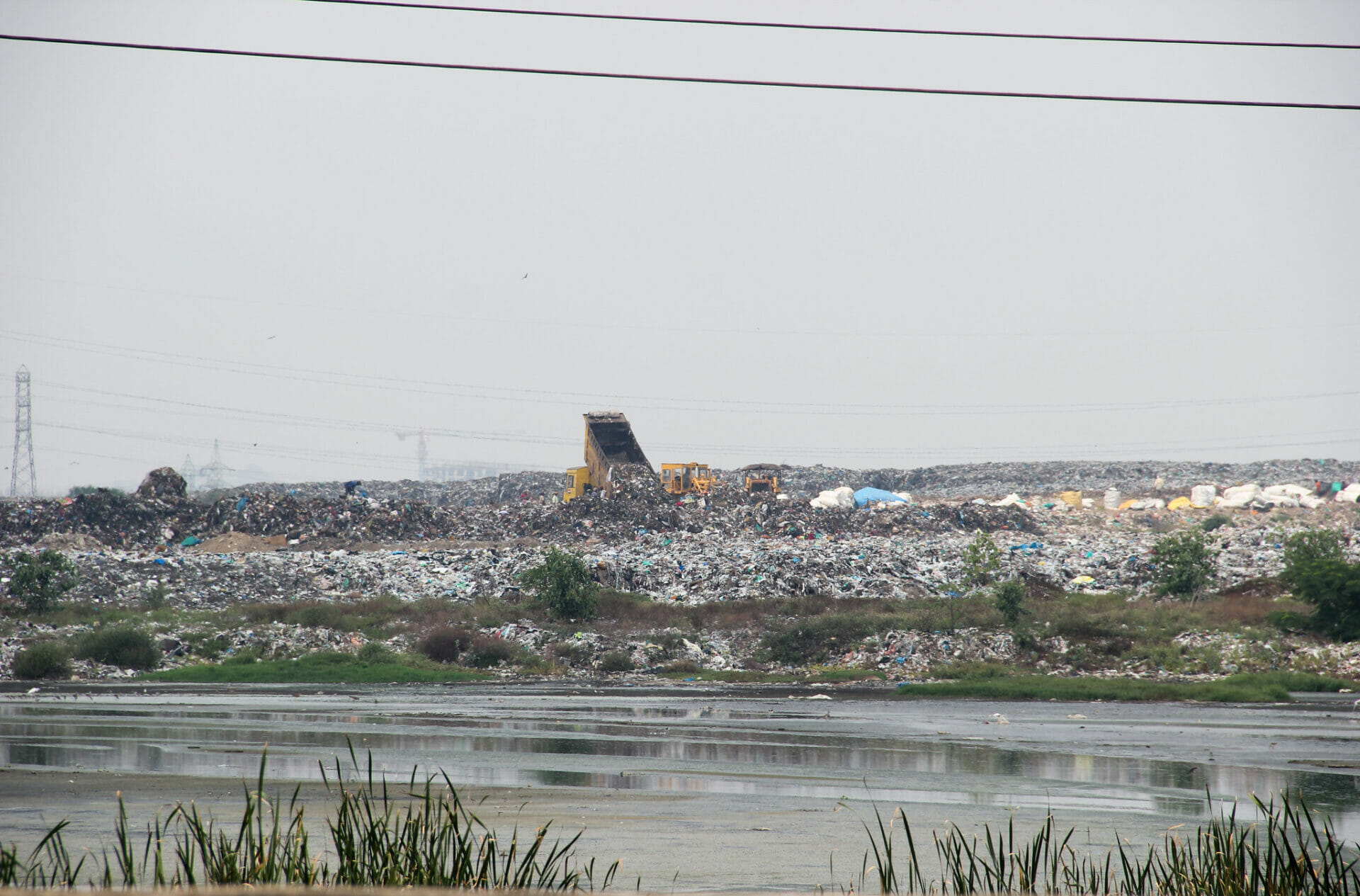
Chennai Transforms Dumpyards Into Civic Assets
Chennai has taken a decisive step towards cleaner urban growth by reclaiming nearly 100 acres of landfill land at Perungudi and Kodungaiyur through large-scale biomining of legacy waste, easing long-standing environmental stress in surrounding neighbourhoods and opening up space for green and civic infrastructure.
The initiative, led by the Greater Chennai Corporation (GCC), has involved the scientific processing of over 48 lakh tonnes of accumulated waste at the city’s two largest dump sites. Officials say the effort has already reduced soil contamination, odour, and air pollution in areas that for years bore the social and health costs of unmanaged dumping. Perungudi, one of Chennai’s most prominent landfills, covers about 250 acres, with the majority historically occupied by untreated waste. Through biomining across multiple project packages, more than 26 lakh tonnes of legacy waste have been processed so far, allowing the recovery of over 94 acres of land. Municipal engineers involved in the project said work is being accelerated to complete remaining processing within the current financial year.
Kodungaiyur, another critical waste site serving the city, has also seen progress since biomining began last year. Around 22 lakh tonnes of waste have been treated, freeing up six acres of land. While smaller in scale compared to Perungudi, officials note that the environmental gains are significant given the dense residential settlements around the site. Parts of the reclaimed land are already being stabilised for ecological restoration. The civic body has fenced three acres and introduced drip irrigation systems, planting nearly 1,500 saplings that are being maintained by municipal teams. Urban planners say such interventions are crucial to restoring public trust in areas historically associated with pollution and neglect. Chennai generates roughly 6,300 tonnes of waste every day, most of which continues to be transported to Perungudi and Kodungaiyur. To prevent a return to legacy dumping, the corporation plans to establish decentralised waste-treatment facilities on the reclaimed land. Proposed windrow composting units will treat fresh wet waste immediately, reducing landfill dependency and transport emissions.
Industry experts say Chennai’s landfill biomining programme reflects a broader shift in Indian cities towards circular waste management, where land recovery, material reuse, and on-site processing replace open dumping. Beyond environmental benefits, reclaimed urban land offers opportunities for inclusive civic infrastructure, green buffers, and climate-resilient planning in land-scarce metros. While challenges remain in managing daily waste volumes, the project demonstrates how legacy environmental liabilities can be transformed into long-term urban assets. For Chennai, the reclaimed landfill land marks not just cleaner ground, but a gradual rebalancing between growth, public health, and sustainable city-making.
Chennai Transforms Dumpyards Into Civic Assets