



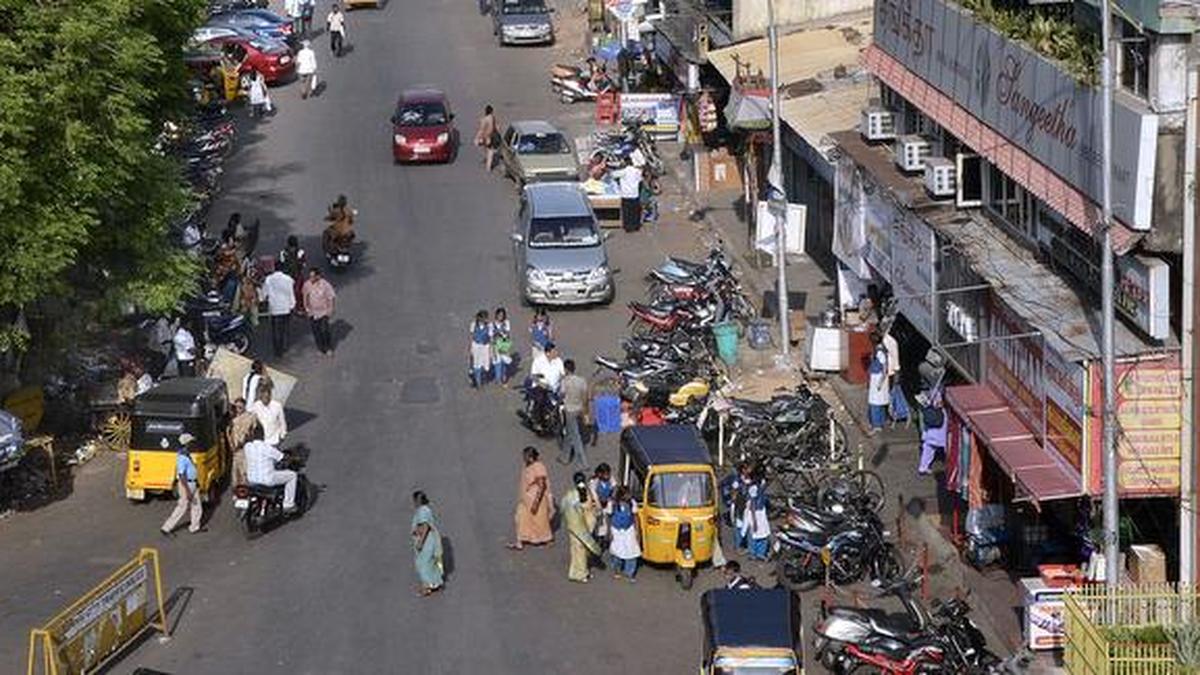
Chennai is set to implement a series of traffic diversions in the heritage neighbourhood of Mylapore as part of crowd and mobility management measures during a major annual temple festival.
The Chennai traffic diversions, affecting key arterial and interior roads, reflect the city’s ongoing challenge of balancing cultural events with the demands of an already strained urban transport network.Authorities have outlined route changes, vehicle restrictions, and parking controls to accommodate large pedestrian inflows expected during the festival period. Mylapore, known for its dense street grid and mixed land use, often experiences congestion spikes during such events, making temporary mobility interventions essential for both safety and accessibility.Urban mobility experts note that the Chennai traffic diversions are indicative of a broader issue across Indian cities where legacy neighbourhoods host high-footfall cultural gatherings without corresponding infrastructure upgrades. Narrow streets, limited pedestrian space, and inadequate public transport integration tend to amplify congestion during peak periods.Officials involved in traffic management suggest that the diversions are designed to prioritise pedestrian movement while ensuring emergency access routes remain functional. However, commuters passing through adjoining areas are likely to experience delays, rerouting, and increased travel times, particularly during evening hours when festival activity peaks.The Chennai traffic diversions also bring attention to the need for more structured event-based urban planning. Experts argue that cities should integrate festival calendars into mobility strategies, enabling better coordination between transport agencies, local authorities, and community organisers.
Temporary measures, while necessary, often highlight gaps in long-term infrastructure planning.From a sustainability perspective, such events present both challenges and opportunities. Increased vehicle idling and congestion can elevate emissions in already dense neighbourhoods. At the same time, well-managed pedestrian zones and improved public transport usage during festivals can reduce reliance on private vehicles. Urban planners emphasise the importance of promoting non-motorised transport and shuttle services to mitigate environmental impact.Local economic activity, however, tends to benefit from the influx of visitors. Street vendors, small businesses, and service providers in Mylapore see increased footfall, underscoring the role of cultural events in supporting informal and local economies. Ensuring safe and efficient movement becomes critical to sustaining this economic activity without compromising public safety.The Chennai traffic diversions also highlight the need for better communication systems. Real-time updates, digital navigation integration, and on-ground signage are essential to help commuters adapt to changing traffic conditions. Without clear information, diversion plans risk creating confusion and secondary congestion in surrounding areas.
Looking ahead, urban experts suggest that Chennai could explore more permanent solutions such as pedestrianisation of key festival routes, improved last-mile connectivity, and infrastructure upgrades tailored to high-density cultural zones. As cities continue to host large public events, integrating mobility planning with cultural life will be key to building more resilient and people-centric urban environments.
Also Read:Chennai Office Leasing Deal Boosts Commercial Real Estate
