


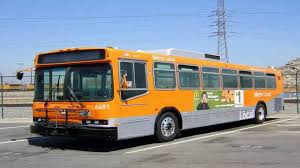
The Chennai Metropolitan Development Corporation (CMDA) has announced a significant investment of ₹8 crore for the establishment of state-of-the-art air-conditioned bus stops across four vital city localities. This initiative, targeting Kolathur, Perambur, Royapuram, and Wall Tax Road, aims to provide much-needed respite to commuters battling the city’s intense heat, thereby enhancing the daily public transport experience. The project underscores a progressive approach to urban infrastructure, focusing on citizen comfort and accessibility, with a four-month completion timeline set by the CMDA.
The new bus stops are designed with a strong emphasis on passenger convenience and inclusivity. Three locations – Kolathur, Royapuram, and Wall Tax Road – will feature air-conditioned shelters with a seating capacity for 78 persons each, while the Perambur facility will accommodate 54 individuals. Crucially, these modern amenities will include separate toilet facilities for men and women, alongside provisions for drinking water. This thoughtful design addresses not only the immediate comfort needs but also promotes gender-neutral public spaces, ensuring safety and dignity for all commuters, particularly women and the elderly, who often face disproportionate challenges in accessing public conveniences.
Also Watch: “Mumbai will rock, shine and always be India’s best city to live.” In an exclusive, MHADA CEO Sanjeev Jaiswal (IAS) talks about Mumbai’s enduring charm, livability, and the government’s focus on making it affordable for all
This initiative, however, arrives with lessons from past attempts. Chennai has seen similar air-conditioned bus stop projects a decade ago, which ultimately faltered due to inadequate maintenance. The current ₹8 crore investment necessitates a robust and sustainable operational framework to prevent a recurrence of such failures. To truly align with the vision of a zero-net carbon and eco-friendly city, these new structures should ideally integrate renewable energy sources, such as solar panels, for their air-conditioning systems. Implementing smart energy management and a comprehensive, long-term maintenance strategy will be paramount to ensuring the durability and environmental viability of these public assets, transforming them into truly sustainable urban infrastructure.
The development of these advanced bus stops represents a tangible step in Chennai’s journey towards becoming a more resilient and smart city. By prioritising public amenities that directly address the impacts of climate change, such as extreme heat, the city is enhancing its adaptive capacity. This focus on improving daily urban living through well-planned, accessible, and environmentally conscious infrastructure is central to fostering an equitable urban environment where public transport is not just a necessity but a comfortable and dignified experience for every citizen. The success of this project will serve as a blueprint for future urban development, demonstrating how strategic investments can create a more liveable and sustainable metropolis.
Also Read: Air India Flight AI 2744 Skids Off Mumbai Runway Amid Rain Toda
