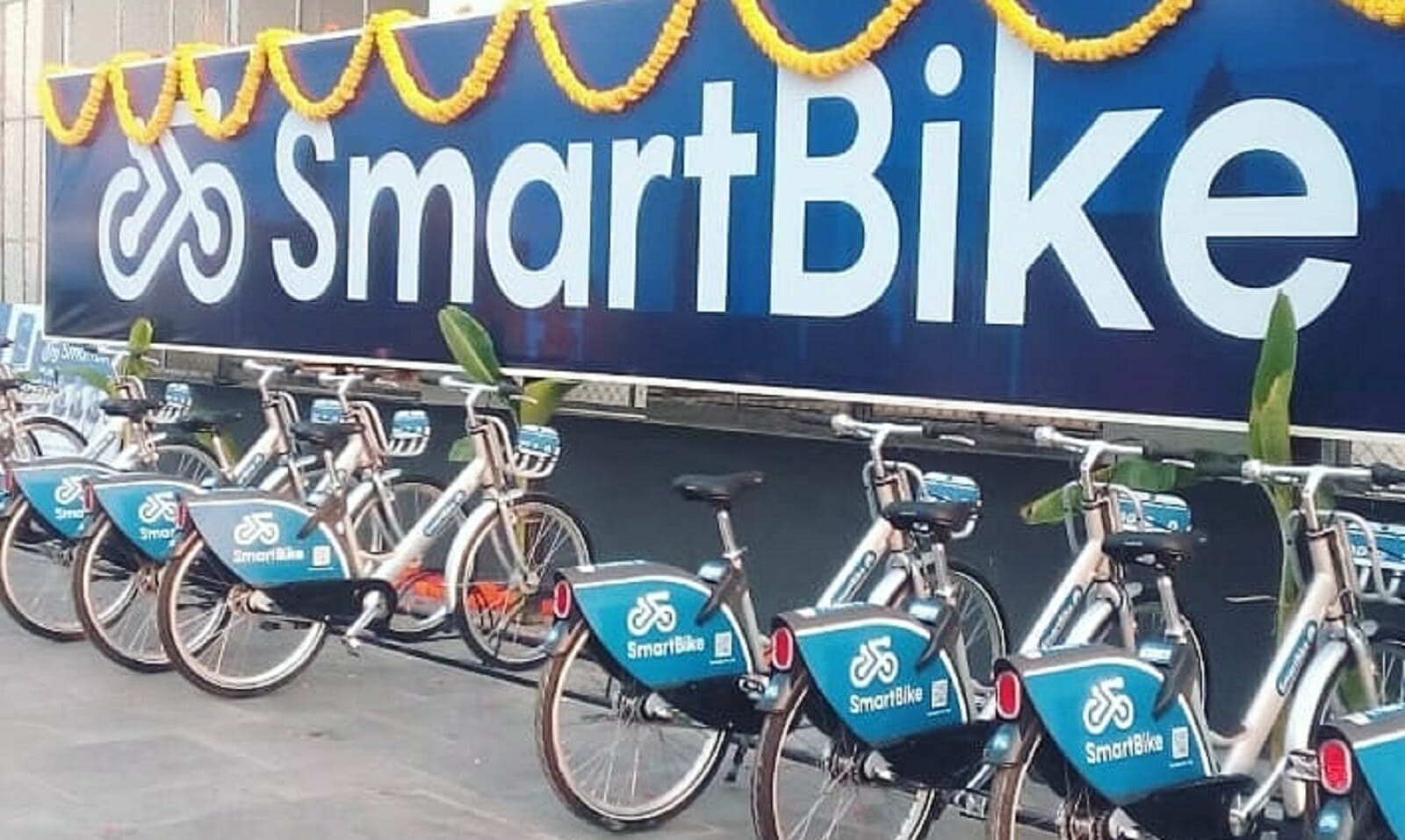
After nearly three years of dormancy, the smart bike service in Chennai is poised for a revival, with the Greater Chennai Corporation (GCC) initiating discussions with its private concessionaire to restore operations across key neighbourhoods. The planned relaunch, expected to begin with around 30 high-footfall locations, signals a renewed push towards non-motorised, low-carbon mobility in one of India’s most congested metros. Municipal officials indicate that the proposed rollout will initially concentrate on transport nodes, commercial clusters and public spaces, with scope to expand depending on commuter uptake. Each docking point is likely to house between 25 and 30 bicycles, reviving infrastructure that has remained underutilised since pandemic-era travel restrictions severely eroded ridership.
The smart bike service, first introduced in 2019 under a design-build-finance-operate framework, was positioned as a last-mile connectivity solution linking residential areas to bus stops, suburban rail and metro corridors. Before the health crisis, daily rentals had reached several hundred trips, according to civic data. However, extended lockdowns and a prolonged shift to remote work reduced demand sharply, undermining the operator’s financial viability and leaving hundreds of bicycles damaged or abandoned. Urban mobility specialists say the relaunch comes at a critical juncture. Chennai’s vehicle registrations continue to rise annually, intensifying congestion and air pollution. While the city has invested in metro rail expansion and road improvements, short-distance connectivity gaps remain a persistent challenge. Shared cycling, when integrated with public transport and safe street design, can reduce dependence on private two-wheelers for short trips.
Officials familiar with the discussions suggest that payment systems will be upgraded to include additional digital options beyond the earlier app-only model, which had drawn criticism for excluding users without smartphones or stable internet access. Broader payment interoperability, including UPI-based platforms, is under consideration to widen access and improve transaction reliability. Urban planners argue that operational resilience will be central to long-term success. Past issues ranged from vandalism and theft to inconsistent maintenance. Without on-ground staff support, clear usage guidelines and regular servicing, shared mobility networks struggle to maintain user trust. The civic body is therefore expected to tighten oversight mechanisms while retaining a revenue-sharing arrangement with the private operator.
The revival also carries economic implications. Micro-mobility services generate ancillary employment in maintenance, station management and advertising. More importantly, they support transit-oriented development by improving first- and last-mile connectivity, a key component of climate-resilient urban planning. If executed effectively, the renewed smart bike service could complement Chennai’s broader sustainability roadmap, reduce short-trip emissions, and reclaim public space for people rather than vehicles. Its success will depend less on the novelty of shared bicycles and more on reliability, inclusivity and integration with the city’s evolving transport ecosystem.