


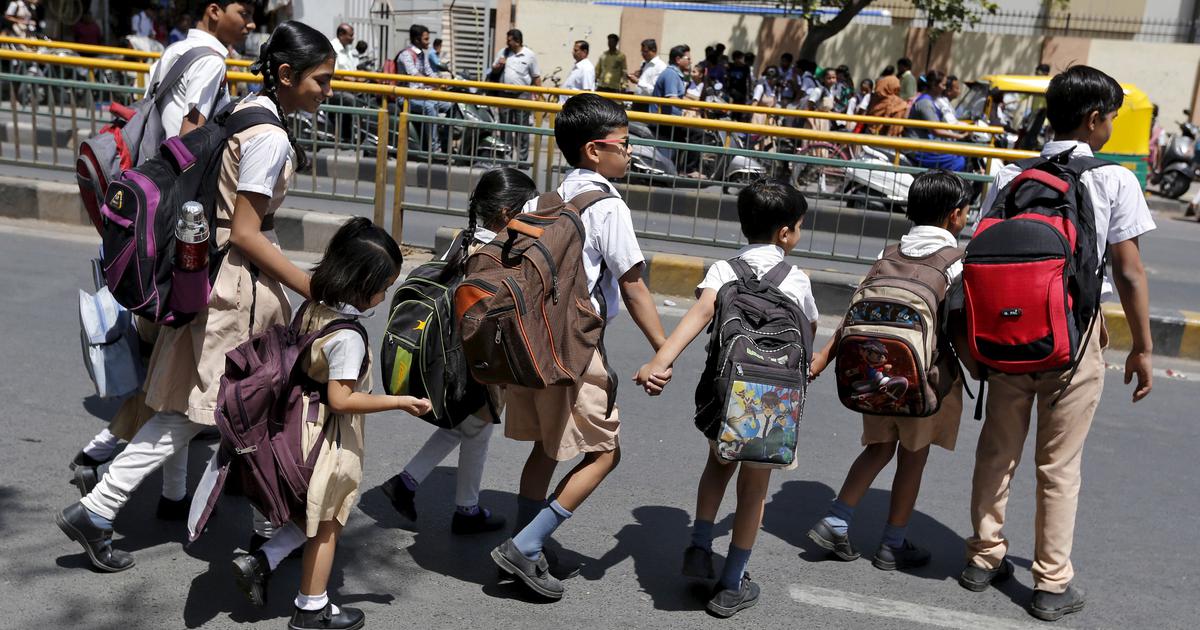
Chennai is taking a definitive step towards creating child-friendly urban environments, with officials outlining a comprehensive plan to transform roads around twenty-five educational institutions into safe zones. The initiative directly confronts the rising urban mobility crisis, which has seen parents increasingly reluctant to allow children to walk or cycle to school due to vehicular congestion, encroached footpaths, and safety risks. This concerted effort by civic authorities aims to create a blueprint for sustainable and equitable city planning, prioritising the well-being of the next generation and aligning with a broader agenda of reducing urban emissions.
The move comes after an in-depth study by a consortium of civic and academic experts revealed significant systemic failures in urban infrastructure surrounding city schools. The audit, which surveyed parents and monitored traffic behaviour, exposed a critical need for intervention. A staggering sixty-eight per cent of parents reported that their children face considerable difficulty navigating the roads near their schools, citing traffic pile-ups, a lack of designated drop-off zones, and hazardous pathways as primary deterrents to active mobility. The findings underscore the urgency of shifting away from a car-centric model towards one that champions pedestrian and cyclist safety.
In a collaborative strategy, city and traffic officials plan to implement a series of transformative infrastructure upgrades. These interventions include the widening of footpaths, installation of protective bollards, and the strengthening of regulatory signage to guide both motorists and pedestrians. The project is designed to not only improve safety but also to foster a culture of mindful road use. The plan also incorporates educational drives to inform drivers about the importance of speed limits in these sensitive areas and to train students on safe road etiquette. These measures are foundational to building an inclusive and equitable urban space where every child, regardless of gender or background, can travel safely.
The data from the study also highlighted a critical environmental concern: a noticeable spike in particulate matter (PM2.5 and PM10) during peak school hours. This finding directly links poor infrastructure and high vehicular emissions to compromised air quality, posing a significant health risk to students and residents. By promoting walking and cycling, the new initiative serves a dual purpose—enhancing safety while simultaneously contributing to the city’s zero-net-carbon goals. The project aims to reduce dependence on private vehicles, thereby curbing air pollution and creating a healthier, more breathable environment.
This comprehensive safety initiative goes beyond isolated projects; it represents a pioneering model for urban development across the country. By leveraging data-driven insights and fostering inter-agency cooperation, Chennai is setting a precedent for how cities can become more liveable, sustainable, and humane. The commitment to penalising consultants for subpar work signals a new era of accountability, ensuring that future urban planning is both meticulous and purpose-driven. This project stands as a powerful testament to the idea that investing in child safety and well-being is a core pillar of building a truly developed and compassionate society.
Also Read :Delhi to revamp 93 flyovers into eco friendly public space
