Chennai Tiruvannamalai Expressway To Boost Regional Trade
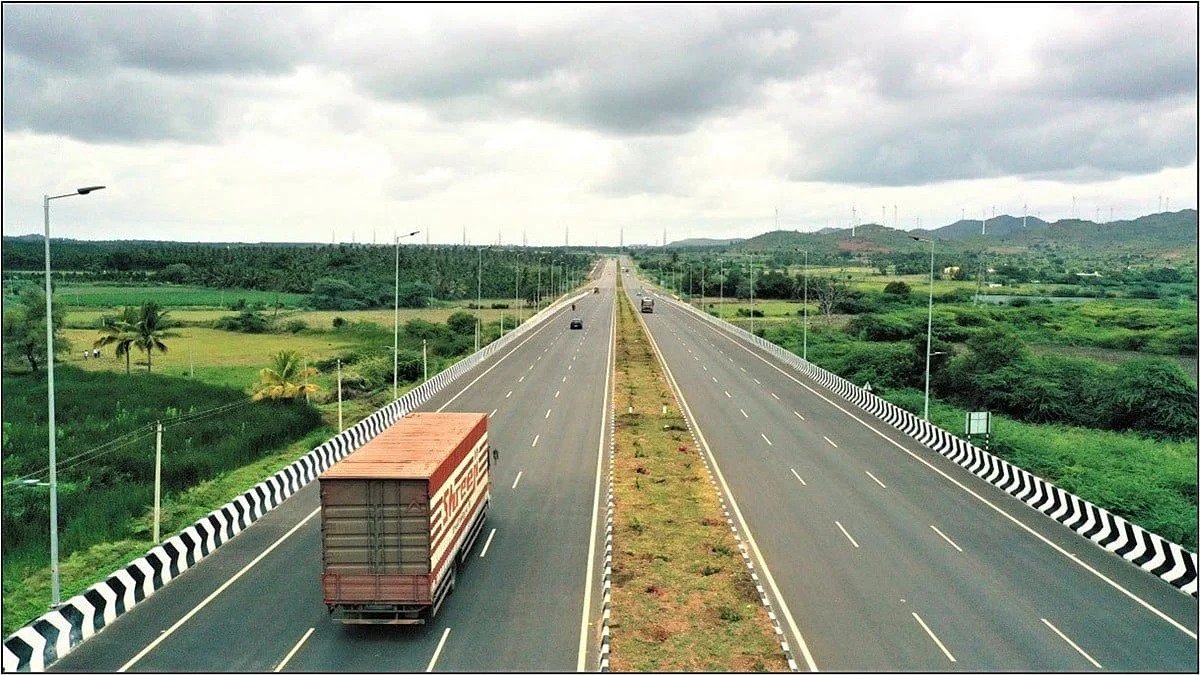
The Tamil Nadu government has unveiled plans for a 140-kilometre expressway connecting Chennai with Tiruvannamalai, marking a renewed effort to enhance mobility and economic linkages between the state capital and its hinterland. Designed as a six-lane, access-controlled corridor, the route is projected to halve current travel times from around four hours to just two, while facilitating smoother movement of industrial freight and supporting regional tourism.
The planned highway will originate near Oragadam, intersecting the Chennai Peripheral Ring Road, before passing through the Cheyyar SIPCOT industrial cluster and Desur, eventually reaching Tiruvannamalai. Authorities have indicated that construction will be implemented in two stages: a 68-km first phase up to Cheyyar SIPCOT and a 72-km second phase extending to Tiruvannamalai, impacting 34 villages along the latter stretch. Urban planners and industry experts note that this phased rollout will allow traffic management and land acquisition challenges to be addressed incrementally, while maintaining continuity for regional supply chains.
For local economies, the expressway is expected to significantly enhance access to key ports including Kattupalli and Ennore. Freight operators in Tiruvannamalai and Kancheepuram districts anticipate faster, more predictable logistics, which could reduce costs and improve turnaround times for manufacturing and export-oriented businesses. Analysts suggest that such connectivity can also catalyse the development of ancillary industrial parks and logistics hubs along the corridor, creating additional employment opportunities. From a civic perspective, the highway’s design incorporates access control and a six-lane carriageway, elements intended to improve safety and reduce congestion. Transport planners highlight that shorter travel times between Chennai and Tiruvannamalai will not only benefit commerce but also enhance mobility for pilgrims visiting the Arulmigu Arunachaleswarar Temple, a major religious landmark in the region. By facilitating more reliable regional travel, the expressway could support tourism-driven income while reducing strain on existing arterial roads.
Environmental and social considerations will be pivotal during execution. Experts emphasise the importance of adopting low-carbon construction practices, mitigating impacts on the 34 affected villages, and integrating stormwater management and noise reduction measures. There is also an opportunity to promote sustainable transit options alongside the corridor, such as dedicated bus lanes or EV infrastructure, in line with Tamil Nadu’s broader climate resilience goals. As the project moves from planning to ground-breaking, stakeholders will be watching how phased implementation balances economic growth with inclusive urban development and environmental safeguards. If executed effectively, the corridor could serve as a model for strategically connecting industrial clusters with metropolitan centres while enhancing regional mobility and climate-conscious infrastructure.