Chennai Terminal Expansion Supports Sustainable Travel Growth
Chennai is on track to see a major upgrade in maritime passenger infrastructure, with the city’s cruise terminal scheduled for full completion by early April. The expansion, part of ongoing national initiatives to modernise port facilities, aims to address long-standing gaps in passenger handling while supporting the city’s ambitions as a regional cruise hub.
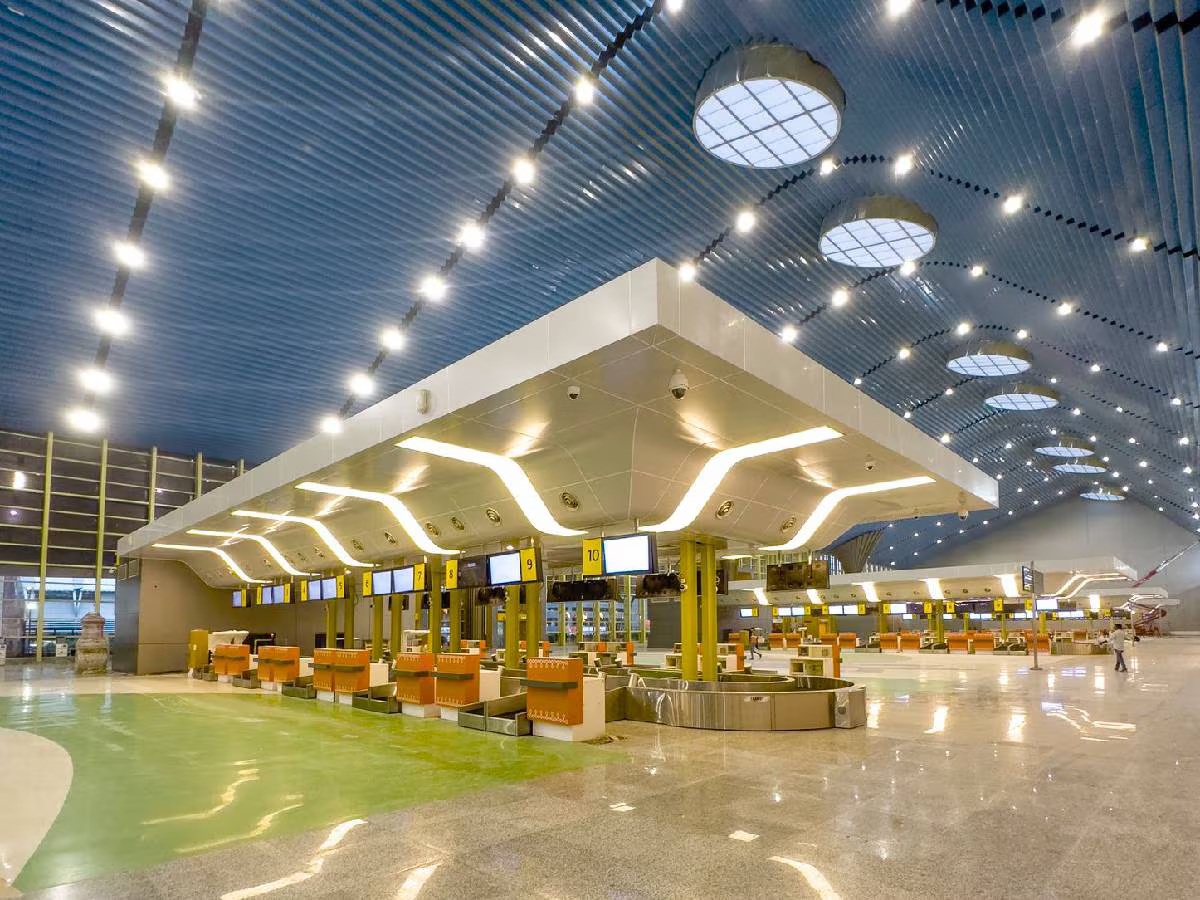
The redevelopment project, valued at nearly ₹30 crore, extends the terminal’s capacity from 1,000 to 1,800 passengers, introducing dedicated zones for embarkation and disembarkation that were previously absent. A senior urban infrastructure official noted that the lack of segregated passenger areas had historically constrained operations and limited the city’s appeal for high-volume cruise traffic. By redesigning circulation flows, the port anticipates smoother passenger movement, reducing bottlenecks during peak arrivals and departures. Beyond capacity, the terminal modernisation incorporates amenities aligned with inclusive and people-first urban design. The second floor will cater to international travellers, featuring additional immigration counters, passenger lounges with regional architectural motifs, and retail and duty-free areas. A
mezzanine food and beverage zone is designed to improve accessibility for all visitors, while escalators, elevators, and Wi-Fi-enabled waiting areas enhance convenience. Fire safety and security infrastructure have been upgraded to meet contemporary operational standards. Urban planners suggest that the improvements extend beyond passenger experience. Chennai’s port, spanning over 700 acres with 420 acres of water area, represents a critical node in regional maritime trade and tourism networks. By integrating cruise operations with modernised facilities, the terminal could generate increased economic activity in surrounding commercial zones, while creating jobs in port management, retail, and logistics. Additionally, careful architectural detailing highlights the city’s cultural heritage, reflecting a growing trend in infrastructure projects that combine functional efficiency with place-based identity.
From a climate and sustainability perspective, officials indicated that the redevelopment considered energy-efficient building systems and safer, more resilient passenger pathways, mitigating risks associated with extreme weather and heavy maritime traffic. Such measures align with broader national priorities under port modernisation programmes that emphasise low-carbon, resilient urban infrastructure. The expansion is expected to attract higher passenger volumes and more international cruise liners, potentially catalysing investment in allied sectors such as hospitality, transport, and local tourism. Moving forward, experts highlight the importance of integrated planning to ensure the terminal’s growth complements the city’s wider mobility, sustainability, and urban resilience goals, maintaining Chennai’s competitiveness as a maritime and tourism gateway.