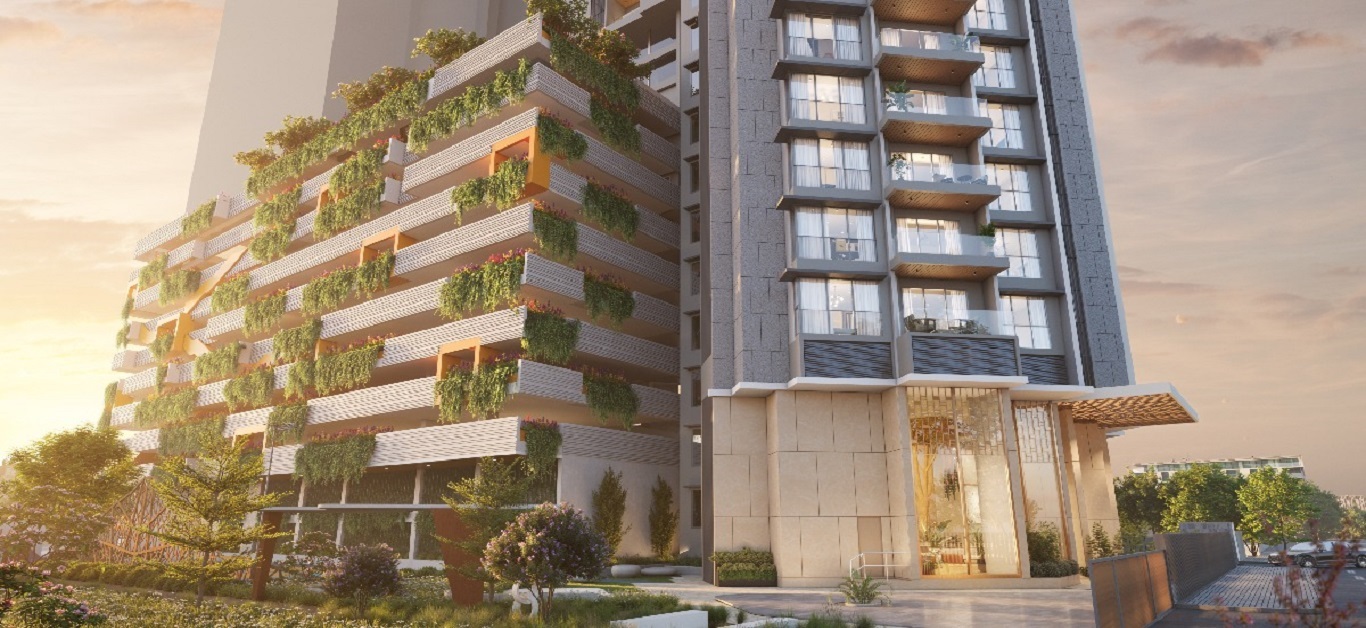
Tambaram is poised to gain a significant urban landmark by the end of this year, as the local civic body moves forward with plans for a new tower and accompanying public park along Radial Road. The ₹8 crore project aims to provide residents with a central recreational space in a fast-growing suburban district that has historically lacked distinctive civic icons.
The proposed site covers two acres of designated Open Space Reservation (OSR) land, a category of municipal land intended for public use. Urban planners suggest the location along Radial Road provides visibility and potential connectivity to surrounding residential zones, although the distance from major local hubs may affect accessibility. The project signals a growing trend among Indian cities to combine iconic architecture with community-oriented open spaces, balancing aesthetic appeal with functional urban design. While Tambaram has expanded rapidly in recent years, with a population exceeding one million, basic civic infrastructure has lagged behind. Experts note that prioritising recreational landmarks must be weighed against persistent challenges in water supply, drainage, and road maintenance. “Introducing public landmarks can enhance the urban environment, but the underlying infrastructure network must support increased footfall and traffic,” said an urban development analyst.
The tower and park concept draws inspiration from similar civic interventions in metropolitan centres such as Chennai and Coimbatore, where vertical structures in public spaces act as both navigational markers and social gathering points. The Tambaram project integrates play areas for children, landscaped sections, and pedestrian pathways, reflecting an approach aligned with inclusive, family-friendly urban design principles. Planners emphasise that the development also offers potential environmental benefits, as open green spaces can improve local microclimates, reduce urban heat effects, and provide informal carbon sinks in line with climate-resilient urban strategies.
Economic and social considerations are central to the project’s rationale. Public landmarks can stimulate local commerce, increase property values, and encourage community engagement, contributing to equitable urban growth. Nonetheless, planners stress the importance of integrating the tower with broader transport and mobility plans to ensure equitable access across Tambaram’s diverse neighbourhoods. Accessibility measures, such as safe pedestrian crossings and public transport connectivity, will determine the long-term usability and impact of the landmark. Construction is scheduled to begin imminently, with completion targeted before year-end. The civic body has committed to maintaining the OSR status of the site, preserving it as a public resource. Urban experts advocate for ongoing community consultation to ensure the project responds to residents’ needs while complementing the district’s sustainable development objectives.