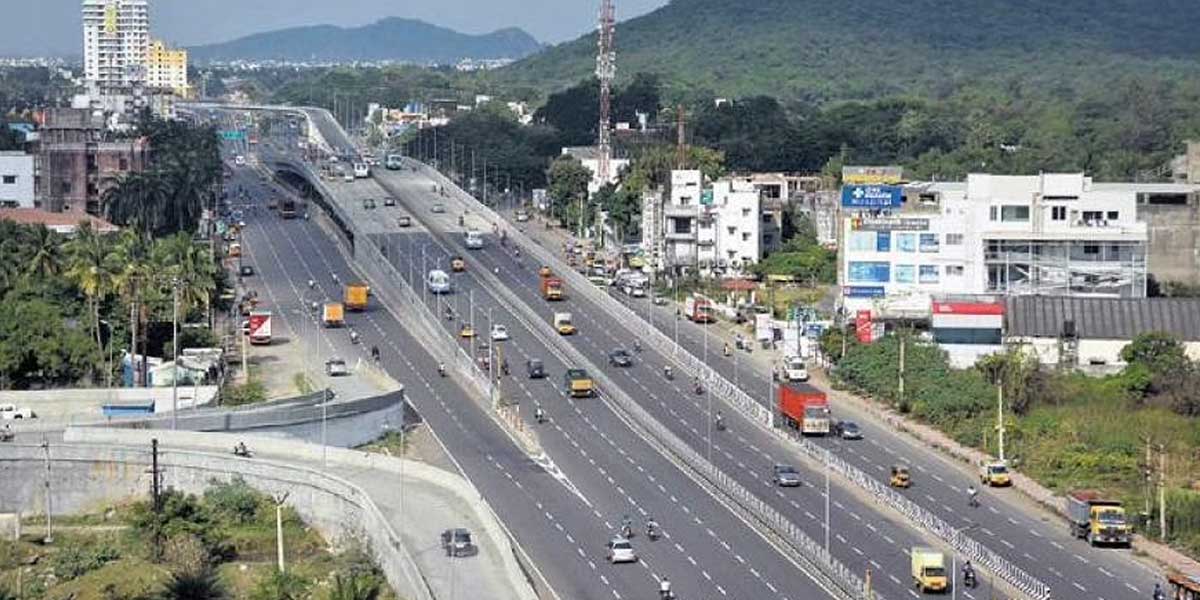
Chennai Tambaram GST Road Encroachment Clearance Begins
Tambaram Corporation has issued eviction notices to nearly 300 commercial establishments operating along the GST Road corridor within its limits, signalling a renewed push to reclaim pavements for pedestrians and reduce chronic congestion in one of Chennai’s busiest suburban stretches. The move is being framed as part of a broader GST Road encroachment clearance effort aimed at restoring public space and improving safety. The 12-kilometre stretch, particularly around the Sanatorium segment, has over the years witnessed a steady spread of pushcart vendors, temporary food stalls, repair units and bunk shops occupying footpaths. While periodic removal drives have taken place, officials acknowledge that informal businesses frequently return, reflecting both enforcement gaps and livelihood pressures.
A senior civic official said the present drive is intended to be more structural than cosmetic. Following the GST Road encroachment clearance, the corporation plans to reconstruct footpaths with paver blocks, upgrade lighting infrastructure and install surveillance cameras. The project, estimated at nearly ₹1 crore, is positioned as a public safety and pedestrian-priority intervention. For Tambaram, which was upgraded to a corporation in 2021, the initiative is also a test of its urban governance capacity. GST Road functions as a key mobility spine connecting southern neighbourhoods to central Chennai. Urban planners note that when pavements are blocked, pedestrians including schoolchildren, elderly residents and women commuters are forced onto carriageways, increasing accident risks and undermining the principle of inclusive mobility.
However, residents from Chromepet and Pallavaram have raised concerns about the sustainability of such exercises. In earlier stretches where pavements were redesigned with landscaping elements, inadequate maintenance reportedly led to overgrown vegetation and clutter. Local welfare representatives argue that without a long-term management plan, beautification alone cannot ensure durable public realm improvements. Equally contentious is the absence of clearly demarcated vending and non-vending zones. Informal retail is deeply embedded in Chennai’s suburban economy, offering low-cost food and services while generating employment. Urban development experts suggest that rather than repeated eviction cycles, corporations should align enforcement with the Street Vendors Act framework, which mandates designated vending areas and participatory planning.
Food safety has also emerged as a parallel concern. Evening food clusters draw large crowds, creating both traffic bottlenecks and sanitation challenges. Civic sources indicate that coordination with health and traffic authorities may be stepped up alongside the GST Road encroachment clearance to address hygiene and mobility issues simultaneously. The outcome of this drive could shape how Tambaram balances economic informality with pedestrian rights in a rapidly densifying corridor. If accompanied by consistent enforcement, maintenance funding and inclusive vending policies, the reclaimed pavements may evolve into safer, climate-resilient public spaces. Without that, residents warn, the cycle of eviction and reoccupation could continue, leaving GST Road’s footpaths contested terrain rather than shared civic infrastructure.