Chennai Summer Supply Strengthened By Krishna Water
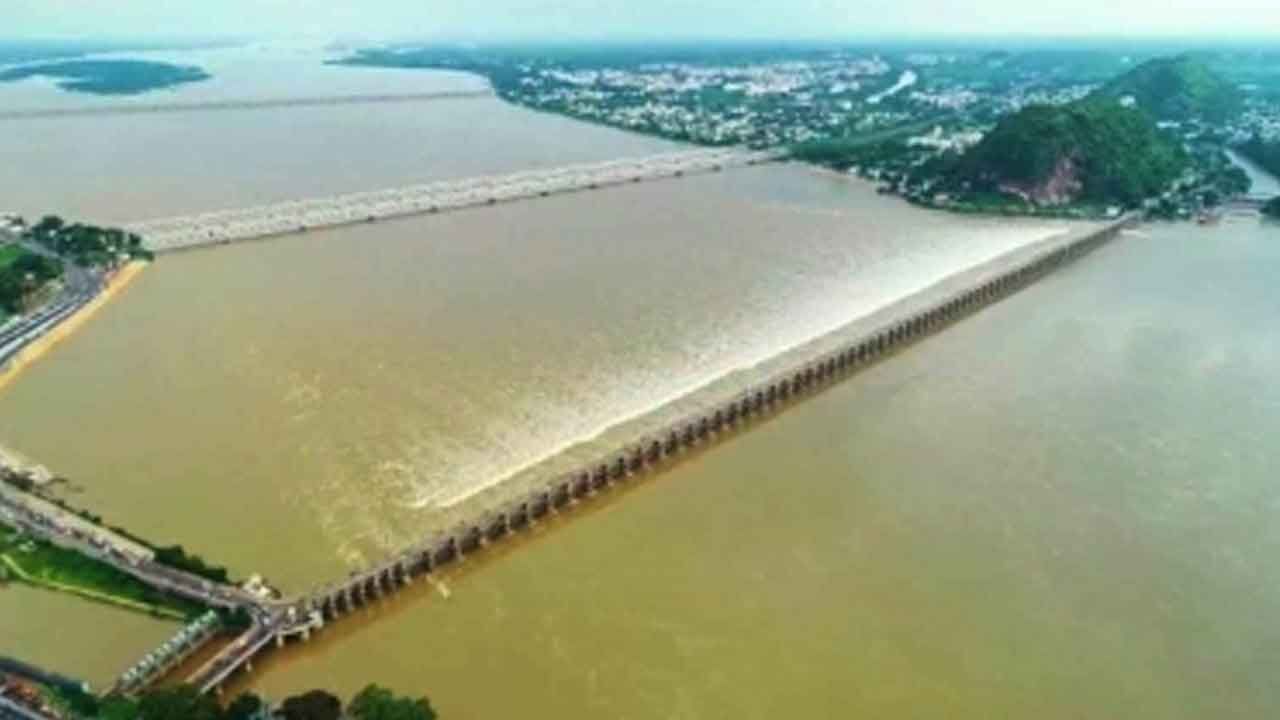
Water from the Krishna river basin has begun flowing towards Chennai, reinforcing the city’s drinking water buffer ahead of peak summer demand. The release from Andhra Pradesh is expected to reach Tamil Nadu’s entry point in Tiruvallur district within days, giving planners additional flexibility to manage reservoir storage during the hottest months.
The transfer forms part of the long-standing inter-state arrangement under the Krishna Water Supply Project, which mandates seasonal releases between January and April. Officials in Tamil Nadu’s Water Resources Department (WRD) sought an early discharge to optimise storage capacity and ensure regulated withdrawals as temperatures rise and urban consumption climbs. Chennai’s five primary drinking water reservoirs currently hold close to 84 per cent of their combined capacity, a relatively strong position compared to recent drought years. The Poondi reservoir, the principal receiving point for Krishna water, is near full storage. However, water managers indicate that incoming flows will be redistributed across other reservoirs, including Chembarambakkam and Red Hills, to maintain system balance and reduce stress on individual sources.
Urban water experts note that Krishna water plays a strategic rather than emergency role this year. With daily supply averaging over 1,200 million litres largely directed to domestic consumers, steady inflows allow authorities to smooth daily extraction rates of around 400 cubic feet per second from key reservoirs. This reduces the risk of sudden depletion during heatwaves and supports equitable distribution across neighbourhoods. The release is also significant in climate terms. Chennai has experienced extreme variability in rainfall over the past decade oscillating between flood years and acute shortages. Supplementary sources such as Krishna water and the Veeranam system provide diversification in the city’s supply portfolio, an increasingly vital measure in climate-resilient urban planning. Officials in Andhra Pradesh have reportedly committed to compensating for local withdrawals along the canal route, ensuring the agreed quantum reaches Tamil Nadu. The transfer is expected to continue for several weeks before scheduled canal maintenance begins.
Urban planners argue that while inter-basin transfers are critical buffers, long-term resilience will depend on demand management, groundwater recharge, wastewater recycling, and leak reduction across the distribution network. Chennai’s improving storage position this year offers breathing space but not immunity against future volatility. For a metropolis that once faced “Day Zero” anxieties, the arrival of Krishna water underlines the importance of cooperative federalism and forward planning. As summer approaches, the immediate outlook appears stable. The broader test will be whether surplus years are used to build structural resilience for the next dry cycle.