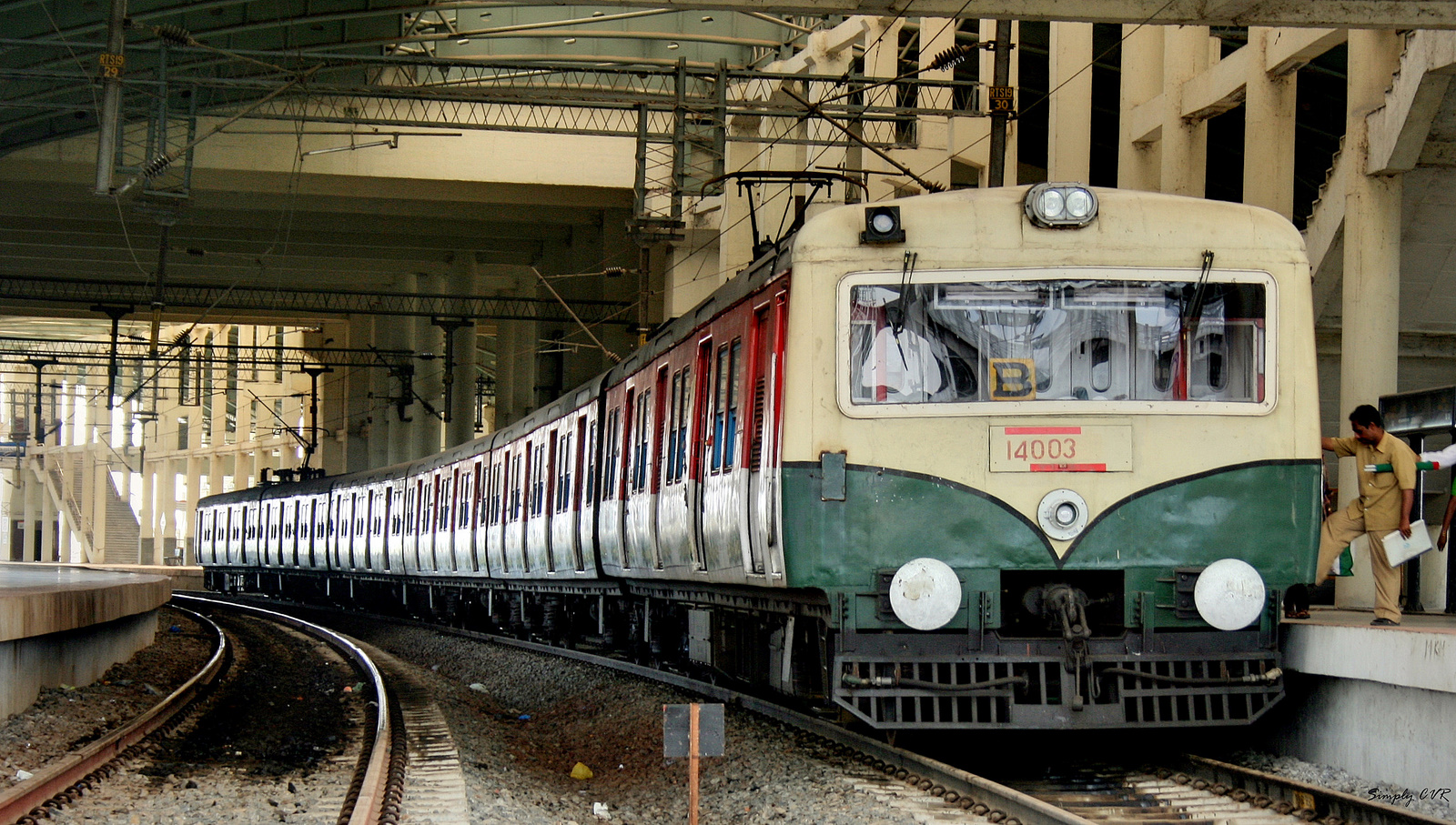
Chennai Suburban Network Plans Multi Track Expansion
Chennai’s suburban rail system, one of India’s most heavily used urban mobility networks, is set for a significant capacity expansion after national rail authorities cleared multiple track augmentation projects across key commuter corridors. The decision strengthens the city’s long-term transport backbone at a time when daily ridership continues to stretch existing infrastructure well beyond comfortable limits.
The approved investments focus on adding new lines along some of the most congested suburban stretches, where passenger demand has consistently outpaced network capacity. Transport planners view the move as essential to stabilising peak-hour operations, improving service reliability and preparing the system for projected population and employment growth across the Chennai Metropolitan Region.Among the largest interventions is the addition of a fourth track between Tambaram and Chengalpattu, a corridor that anchors residential expansion in southern suburbs while supporting long-distance and freight movements. Parallel upgrades are planned on the northern industrial axis between Athipattu and Gummidipoondi, as well as the Ambattur–Villivakkam stretch, a critical bottleneck linking manufacturing zones with dense residential neighbourhoods.
Chennai’s suburban rail currently runs more than 500 services each day and carries close to a million passengers, making it one of the most cost-effective modes of mass transit in the region. However, overcrowding during office hours and limited operational flexibility have remained persistent challenges. Urban transport experts note that track saturation, rather than train availability, has been a primary constraint on improving frequency and punctuality.The expansion is expected to unlock operational headroom by separating suburban, long-distance and freight movements, allowing higher service frequency without compromising safety. Officials involved in planning say the additional tracks will also reduce cascading delays, particularly during peak hours when even minor disruptions can affect large sections of the network.
Beyond immediate commuter relief, the Chennai suburban rail expansion carries broader economic and environmental implications. Reliable rail connectivity supports workforce mobility, reduces pressure on arterial roads and lowers per-capita transport emissions. As Chennai advances its climate resilience and low-carbon mobility goals, strengthening electric rail systems is seen as a foundational step rather than a supplementary one.The approvals also align with longer-term rail infrastructure plans that include new line doublings and multi-tracking on outer suburban and intercity routes. These corridors are expected to play a growing role as housing development and employment hubs shift outward from the urban core.
Implementation will proceed in phases, beginning with detailed engineering, land acquisition and alignment finalisation. Urban planners caution that timely execution will be as critical as funding approvals, particularly in built-up areas where delays can erode public confidence. If delivered as planned, the upgrades could mark a turning point in how Chennai’s suburban rail system supports a more inclusive, efficient and sustainable urban future.