


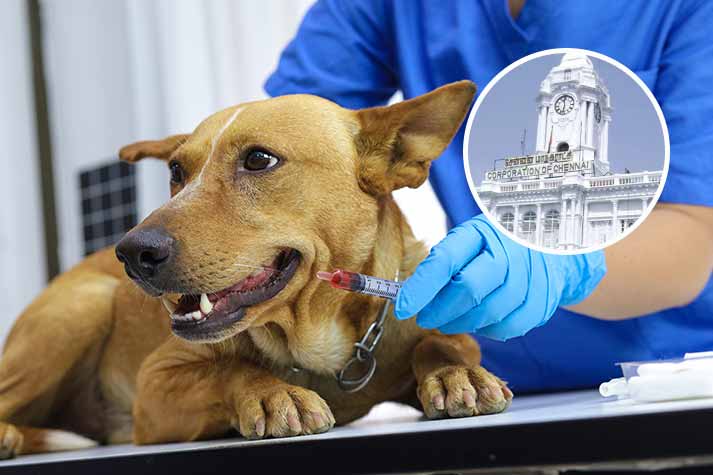
Chennai is preparing to roll out the second phase of its citywide stray dog vaccination programme, signalling a renewed focus on urban public health and animal management systems.
The initiative aims to expand coverage across neighbourhoods, addressing concerns related to zoonotic diseases and improving coexistence between residents and street animal populations.The Chennai stray dog vaccination programme is designed to immunise a larger number of free-roaming dogs, building on earlier efforts to control the spread of diseases such as rabies. Civic authorities are expected to deploy trained teams across zones, targeting areas with higher stray animal density to maximise impact.Public health experts note that the Chennai stray dog vaccination initiative plays a critical role in reducing disease transmission risks in dense urban environments.Vaccination campaigns, when sustained and well-coordinated, can significantly lower the incidence of rabies and improve overall community health outcomes.From an urban governance perspective, the programme reflects a shift towards preventive healthcare strategies that integrate animal welfare with public safety.Managing stray animal populations through vaccination and monitoring is considered more sustainable than reactive approaches.The Chennai stray dog vaccination effort also highlights the importance of data-driven planning. Mapping animal populations, tracking vaccination coverage and identifying high-risk zones can improve efficiency and ensure that resources are directed where they are most needed.There are social dimensions to consider as well. Stray dogs are a visible part of urban ecosystems, and managing their health contributes to safer public spaces.
At the same time, humane treatment and adherence to animal welfare standards remain essential components of such programmes.Infrastructure and capacity building are key to the success of the Chennai stray dog vaccination drive. Adequate staffing, training and logistical support are required to carry out large-scale operations across diverse neighbourhoods. Collaboration with veterinary experts and community organisations can enhance effectiveness.Environmental factors also play a role. Urban waste management practices influence stray animal populations, and improved waste segregation and disposal can reduce food sources that sustain large numbers of stray dogs. Integrating vaccination efforts with broader sanitation initiatives can yield better outcomes.Economic implications are evident in the long term. Preventing disease outbreaks reduces healthcare costs and minimises disruptions to urban life. Investment in preventive measures such as vaccination is often more cost-effective than managing outbreaks after they occur.Urban planners emphasise that the Chennai stray dog vaccination programme aligns with the concept of inclusive and resilient cities.Addressing the health of both human and animal populations contributes to a balanced urban ecosystem.As the second phase approaches, the focus will be on expanding reach and maintaining consistency in implementation. Public awareness campaigns are also expected to play a role in encouraging community cooperation and reporting.
Looking ahead, sustained efforts and integration with broader urban management systems will be crucial. The Chennai stray dog vaccination initiative represents a step towards more comprehensive and humane approaches to urban health, with long-term benefits for both residents and the city environment.
Also Read:Chennai Autism Early Intervention Strengthens Child Healthcare Systems
