Chennai Spends Rs 258 Crore On New Electric Bus Infrastructure
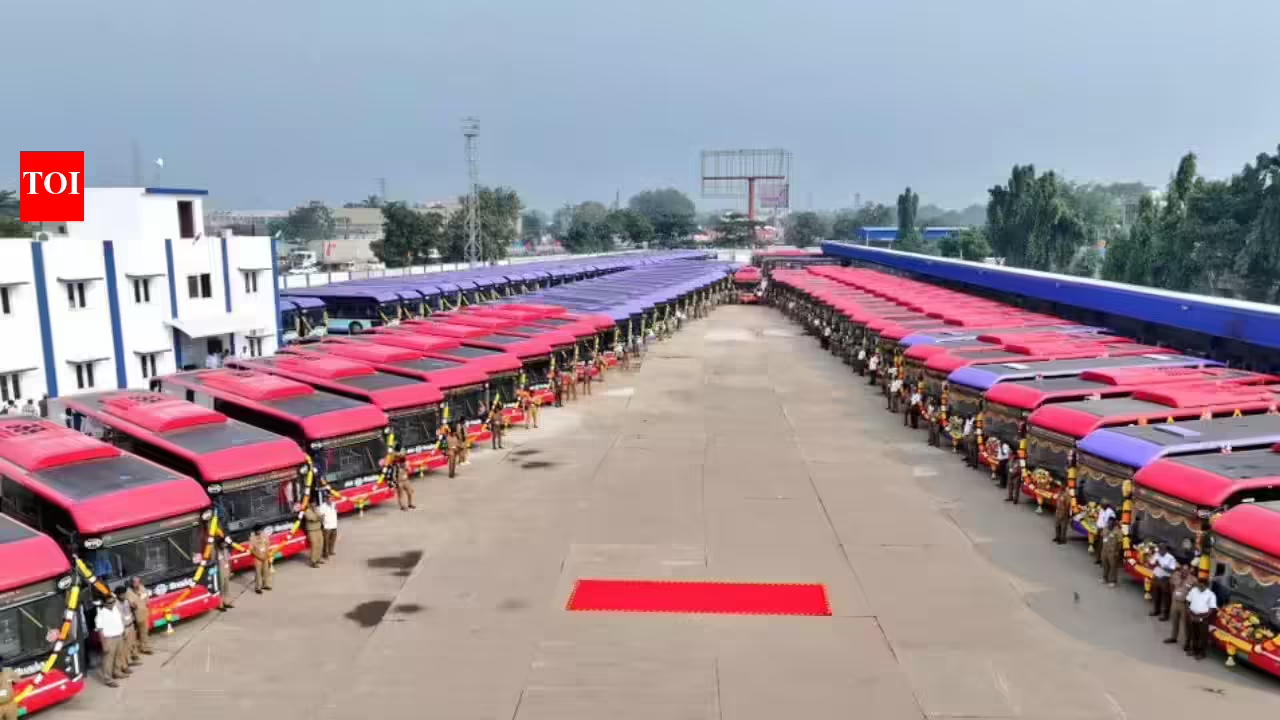
Chennai has invested Rs 258 crore to expand its electric bus infrastructure, unveiling a new depot in Poonamallee that will accommodate 125 low-floor electric buses, including 45 air-conditioned units. The project marks the city’s third EV depot, enhancing sustainable public transport and accessibility for all commuters. With advanced charging facilities and inclusive design features, this initiative strengthens Chennai’s commitment to reducing urban emissions while modernising its metropolitan transport network.
The Poonamallee depot alone cost ₹43.53 crore to construct, with the fleet of 125 buses accounting for ₹214.5 crore of the investment. A senior transport official noted that these figures reflect a strategic allocation of capital to support cleaner, more efficient urban mobility, in line with Chennai’s long-term sustainable city objectives. The initiative also aims to offer commuters a modern, reliable, and safe alternative to conventional diesel buses.Each electric bus in the new fleet operates on a 300 kW battery system capable of full recharge within 90 minutes. The depot is equipped with 33 charging points and is designed to serve buses operating across the city, though initial operations will focus on the Poonamallee route. Urban transport experts emphasise that such rapid-charging infrastructure is critical for ensuring operational efficiency while promoting a low-emission public transit model.
This development forms part of Chennai’s Sustainable Urban Services Programme, supported by international financial institutions, which seeks to reduce air pollution and strengthen public transport networks. Chennai’s broader EV rollout plan includes five depots—Vyasarpadi, Perumbakkam, Poonamallee, Central Workshop, and Tondiarpet—targeting a total of 625 electric buses. Work is ongoing at the remaining sites, including installation of charging points, maintenance bays, and safety systems.Safety and inclusivity are central to the project. CCTV cameras have been installed on all buses to enhance commuter security, while low-floor designs, adjustable from 40 cm to 25 cm, allow easier boarding for senior citizens, women, children, and persons with disabilities. “Inclusive design is not optional; it is essential for equitable urban transport,” a senior urban planner explained, highlighting the city’s focus on accessibility alongside environmental sustainability.
The Poonamallee depot represents more than just infrastructure—it signals Chennai’s proactive approach to integrating technology, climate-conscious planning, and citizen-centric services. Analysts suggest that investments of this scale can set a benchmark for other Indian cities aiming for net-zero targets while addressing the growing need for safe, reliable, and accessible urban mobility.By combining environmental responsibility with inclusive design and operational efficiency, Chennai is demonstrating how targeted investment in electric public transport can create lasting social, economic, and ecological benefits for its rapidly expanding urban population.