


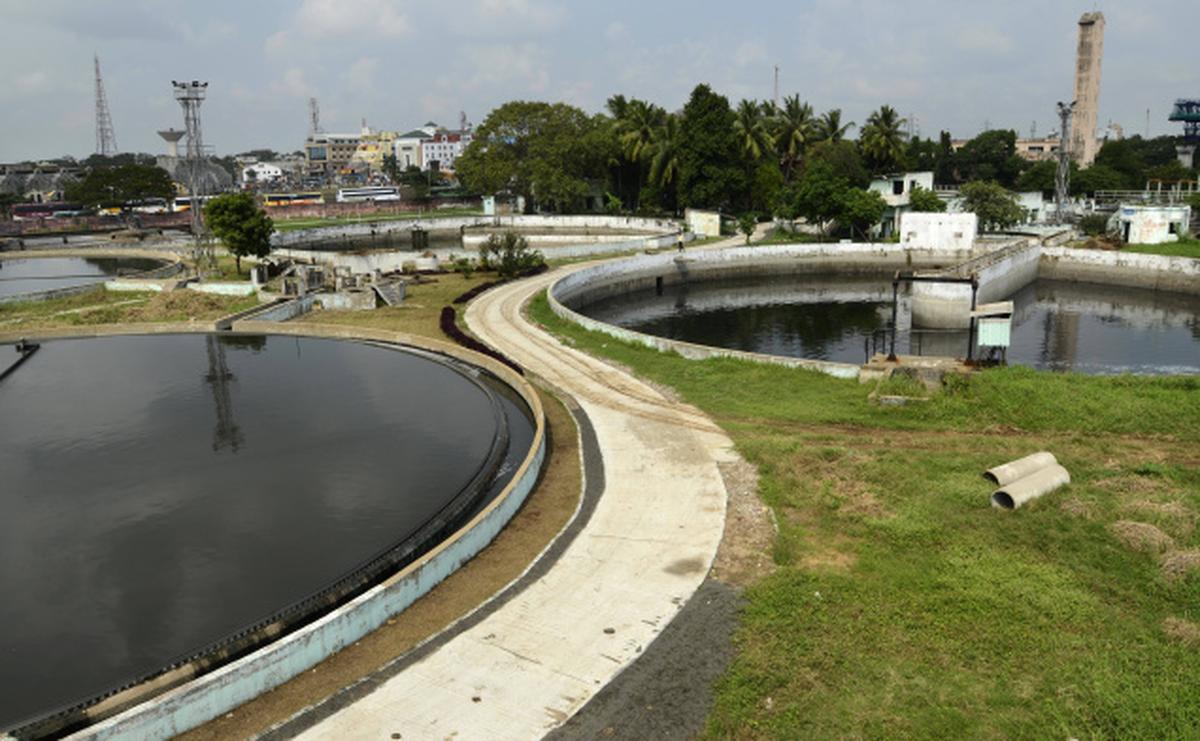
Several neighbourhoods in north and central Chennai are preparing for a temporary disruption to sewerage services as critical interconnection work is carried out on the city’s underground network. The planned shutdown, linked to ongoing metro rail construction, highlights the growing challenge of coordinating large infrastructure projects in one of India’s most densely built urban regions.
The interruption will affect parts of Anna Nagar, Madhavaram and Thiru Vi Ka Nagar, where sewage pumping stations are scheduled to remain offline for roughly 36 hours. The suspension is necessary to facilitate interlinking works on a major sewage main near a key transport junction, being executed alongside metro rail expansion. Urban infrastructure specialists note that such overlaps are becoming more frequent as cities attempt to retrofit new mobility systems into already congested utility corridors.For residents, the immediate impact is practical and uncomfortable. With pumping stations temporarily non-operational, households and commercial establishments may experience backflow risks or limited sewer capacity. In mixed-use neighbourhoods, including high-density residential pockets and small manufacturing clusters, even short disruptions can affect public health, workplace productivity and informal economic activity.
Municipal engineers involved in the planning say the shutdown has been timed to minimise long-term risk to the network. Interconnection works, once completed, are expected to strengthen system resilience and reduce the likelihood of future failures at this junction. However, urban planners caution that the incident underscores a broader governance issue: the need for deeper integration between transport agencies and water utilities at the design stage, not just during execution.Chennai’s sewerage system, much of which was laid decades ago, is under increasing strain from population growth, vertical development and climate stress. Extreme rainfall events have already exposed vulnerabilities in pumping capacity and network redundancy. Infrastructure experts argue that while metro rail expansion supports low-carbon urban mobility, its construction phase must be synchronised with upgrades to water and wastewater assets to avoid repeated service disruptions.
In fast-growing zones such as Madhavaram and parts of Anna Nagar, where redevelopment and densification are ongoing, reliable sewerage is critical for public health and real estate stability. Developers and resident welfare associations have repeatedly flagged that temporary disruptions, even when planned, erode confidence unless accompanied by clear communication and contingency measures.City officials have put in place helplines and zonal engineering teams to respond to complaints during the shutdown period. While this provides short-term relief, governance analysts suggest that cities like Chennai need a shared underground infrastructure map and unified construction calendar across agencies. Such coordination could reduce the frequency and scale of disruptions as the city continues to invest in transport, housing and climate-resilient infrastructure.
As the sewage network is restored after the interconnection works, attention will turn to what lessons this episode offers. For residents, the hope is that short-term inconvenience translates into longer-term reliability. For city planners, the episode reinforces that building resilient, people-first cities requires not only new infrastructure, but also stronger institutional coordination beneath the streets.
Also Read:Madurai Sees Rare Legacy Land Transition into Planned Plots
