


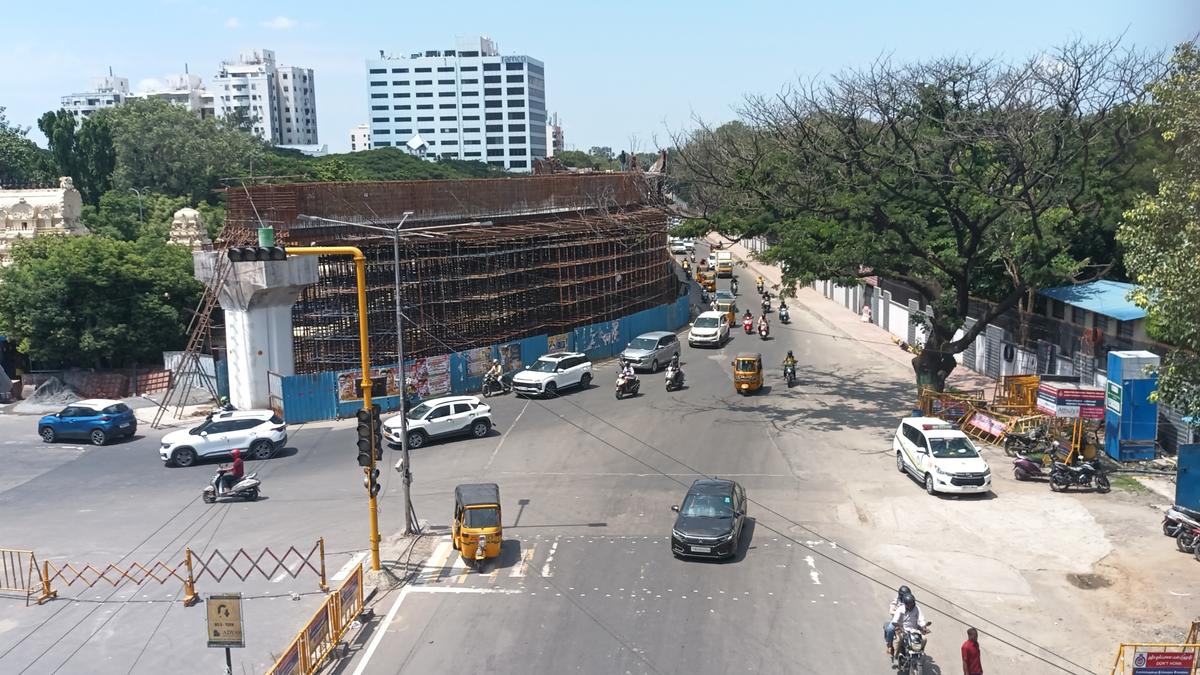
Work has begun to widen a key arterial stretch in Chennai, with authorities targeting improved traffic flow and reduced congestion along one of the city’s busiest corridors.
The upgrade to Sardar Patel Road reflects a broader effort to enhance urban mobility infrastructure in response to rising vehicular demand and changing travel patterns.The Chennai Sardar Patel Road widening project is expected to ease bottlenecks along a route that connects major institutional zones, business districts and residential neighbourhoods. By increasing road capacity, planners aim to improve travel times and streamline traffic movement across the corridor.Transport experts note that the Chennai Sardar Patel Road widening initiative is part of a larger strategy to strengthen core road networks in high-density urban areas. As vehicle numbers continue to rise, expanding critical corridors is seen as necessary to maintain mobility efficiency and support economic activity.From an infrastructure perspective, the project highlights the complexities of upgrading roads within built-up environments. Land constraints, utility relocation and coordination with existing transport systems can influence both timelines and outcomes. Ensuring minimal disruption during construction is also a key challenge for authorities.The Chennai Sardar Patel Road widening effort also raises important questions about long-term mobility planning.While increasing road capacity can provide immediate relief, experts caution that such measures must be complemented by investments in public transport and non-motorised mobility to achieve sustainable outcomes.
Economic implications are significant.Improved connectivity along major corridors can enhance access to commercial hubs, educational institutions and workplaces, supporting productivity and business activity.At the same time, infrastructure upgrades can influence property values and development patterns in surrounding areas.Urban planners emphasise the need to integrate road expansion with broader city planning objectives. This includes designing pedestrian-friendly spaces, ensuring safe crossings and incorporating cycling infrastructure where feasible. A balanced approach can help create more inclusive and people-centric urban environments.Environmental considerations are also critical.Road widening projects can lead to increased vehicle usage if not managed carefully, potentially affecting air quality and emissions. Incorporating green buffers and promoting sustainable transport options can help mitigate such impacts.The Chennai Sardar Patel Road widening project underscores the importance of coordinated governance. Collaboration between state agencies, municipal bodies and traffic authorities is essential to ensure that infrastructure upgrades align with long-term urban development goals.Experts suggest that leveraging technology, such as intelligent traffic management systems, can further enhance the benefits of physical infrastructure improvements. Data-driven approaches can optimise traffic flow and reduce congestion without solely relying on road expansion.As Chennai continues to grow, the demand for efficient transport infrastructure will remain high. Projects like the Chennai Sardar Patel Road widening are expected to play a role in addressing immediate mobility challenges while shaping future urban development.
Looking ahead, the success of such initiatives will depend on how well they are integrated into a comprehensive mobility strategy. Balancing capacity expansion with sustainability and inclusivity will be key to building a resilient and efficient urban transport system.
Also Read:Chennai Speed Breaker Safety Concern Raises Urban Risks
