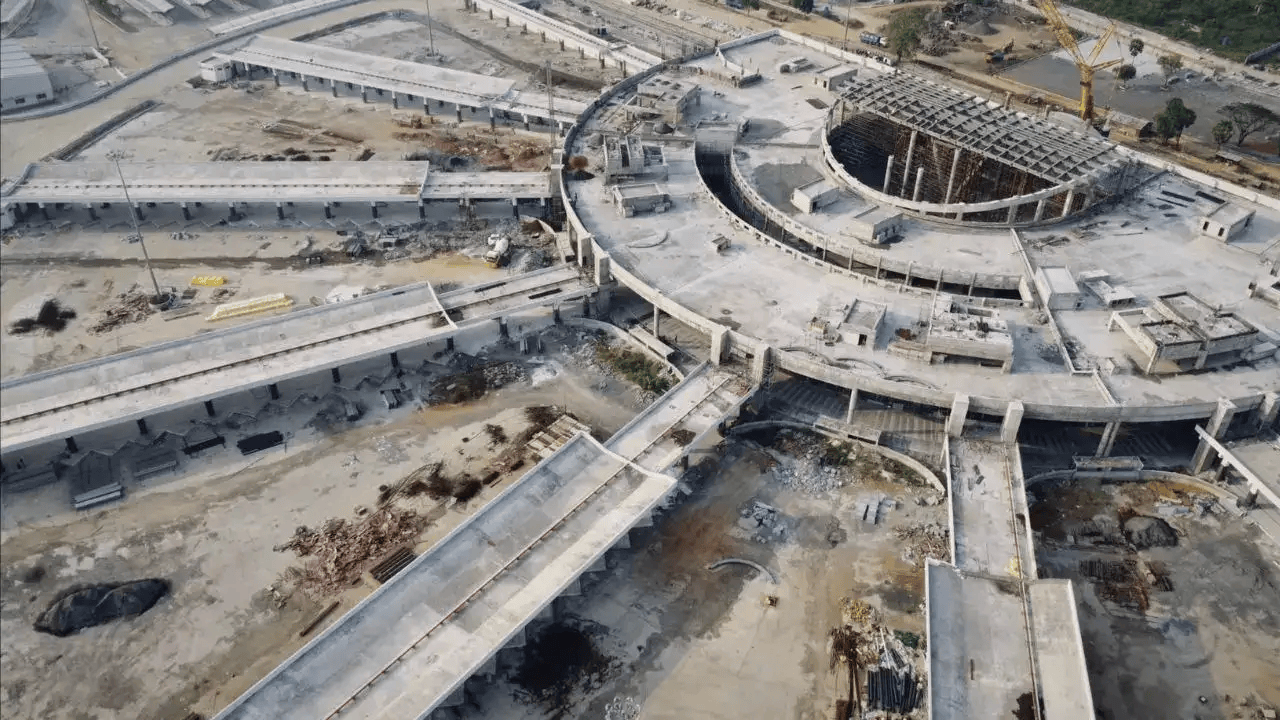
Chennai Restarts Work On 450 Metre Skywalk Linking Kilambakkam Bus And Rail
The long-awaited work on a revised 450-metre pedestrian skywalk in Chennai has recommenced, breathing new life into the city’s drive for seamless multi-modal transport integration. Designed to bridge the Kalaignar Centenary Bus Terminus at Kilambakkam with a new suburban railway halt station, the project’s revival follows months of legal and logistical hurdles. This critical infrastructure is set to enhance last-mile connectivity along the Tambaram-Chengalpattu corridor, offering commuters an eco-friendly and friction-free transfer between bus and rail systems, a cornerstone of sustainable urban development.
The project’s initial plan, which involved a shorter skywalk, was halted due to a land acquisition dispute that resulted in a court-ordered stay. In a strategic pivot, the Chennai Unified Metropolitan Transport Authority (CUMTA) revised the skywalk’s alignment to significantly reduce its private land footprint, thereby resolving the primary legal challenge. The new design required only a fraction of the originally disputed land, with an agreement now in place with the landowner. This resolution underscores a collaborative approach to urban planning, ensuring essential projects can move forward without compromising due process.
Structural consultants have been engaged to redesign key segments of the foot overbridge, accommodating the land constraints along GST Road. The Chennai Metropolitan Development Authority (CMDA), responsible for project execution, is overseeing a phased implementation to ensure a timely and quality-driven outcome. Recent high-level reviews by government and rail authorities have solidified a new completion target of October, though this timeline is subject to potential delays from the upcoming North East Monsoon, with a contingency deadline set for December.
This skywalk is a vital component of transforming the ₹393 crore Kalaignar Centenary Bus Terminus into a truly integrated transport hub. It is engineered to provide safe pedestrian movement between the massive bus terminus and the new halt station, which is located just 200 metres away. By offering a direct and protected pathway, the structure is designed to ease road congestion and reduce the reliance on feeder buses, a move that will lower carbon emissions and contribute to the city’s zero-net-carbon goals. Equipped with lifts, escalators, and staircases, the facility will be fully accessible to all commuters, promoting gender-neutral and equitable access.
Ultimately, the skywalk project, with an estimated cost of ₹100 crore, represents a significant investment in a smarter, more connected Chennai. Its completion is not merely an engineering achievement but a fundamental step towards creating a modern, sustainable, and inclusive urban ecosystem. The seamless link between bus and suburban rail will serve as a model for future transport projects, demonstrating how thoughtful infrastructure can deliver long-term socio-economic and environmental benefits to the community at large.