


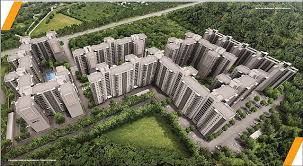
Chennai’s historic Broadway precinct witnessed heightened tensions this week as municipal authorities cleared portions of public land occupied by long-settled households, reopening a long-standing debate around urban land management and equitable housing access in dense city cores. The action, carried out by the city’s civic body across several arterial streets, underscores the growing pressure on public land amid infrastructure upgrades and flood-mitigation priorities.
Officials confirmed that a phased clearance operation was initiated on public parcels earmarked for civic use and essential services. The exercise resulted in the displacement of several families who had lived in the area for decades, many of whom depend on nearby wholesale markets and transport hubs for their livelihoods. While authorities maintained that the action followed due process, residents questioned the uneven pace of rehabilitation. According to officials involved in the operation, resettlement options were identified under state-run urban housing programmes, including tenements near a major government hospital within the city. However, residents claimed that relocation approvals had reached only a limited number of households, leaving others uncertain about their immediate housing security. The absence of synchronised relocation orders triggered protests on-site, briefly disrupting traffic in the commercial district. Urban planners note that central Chennai’s older neighbourhoods face a unique challenge: balancing redevelopment, climate resilience, and social continuity. Much of the cleared land lies in low-lying zones vulnerable to flooding, making removal of informal structures a key component of the city’s long-term stormwater and resilience planning. At the same time, experts caution that displacement without predictable rehabilitation risks pushing vulnerable communities to the urban periphery, increasing commute burdens and economic stress.
From a governance perspective, the episode highlights systemic gaps in last-mile implementation of resettlement frameworks. While Tamil Nadu has expanded its urban housing stock over the past decade, demand continues to outpace supply in well-connected inner-city locations. Industry observers point out that relocation sites near employment clusters and public transport nodes are critical to preventing the creation of new informal settlements elsewhere. The clearance also has implications for Chennai’s commercial ecosystem. Broadway remains a key wholesale and logistics corridor, and sudden displacement of resident workers can affect labour availability for small businesses. Inclusive urban development, planners argue, requires aligning land recovery with livelihood-sensitive housing solutions. Municipal officials indicated that further clearances would be undertaken only after reviewing rehabilitation coverage and documentation status of remaining households. The administration is also said to be assessing interim accommodation options to prevent homelessness during the transition.
As Chennai accelerates investments in flood control, mobility infrastructure, and public land recovery, the challenge ahead lies in ensuring that redevelopment does not come at the cost of social stability. How effectively rehabilitation is delivered in the coming weeks may well shape public trust in the city’s broader urban transformation agenda.
Also Read: Chennai Housing Platforms Experiment With Intelligent Search
Chennai Redevelopment Push Tests Inclusive Housing Systems
