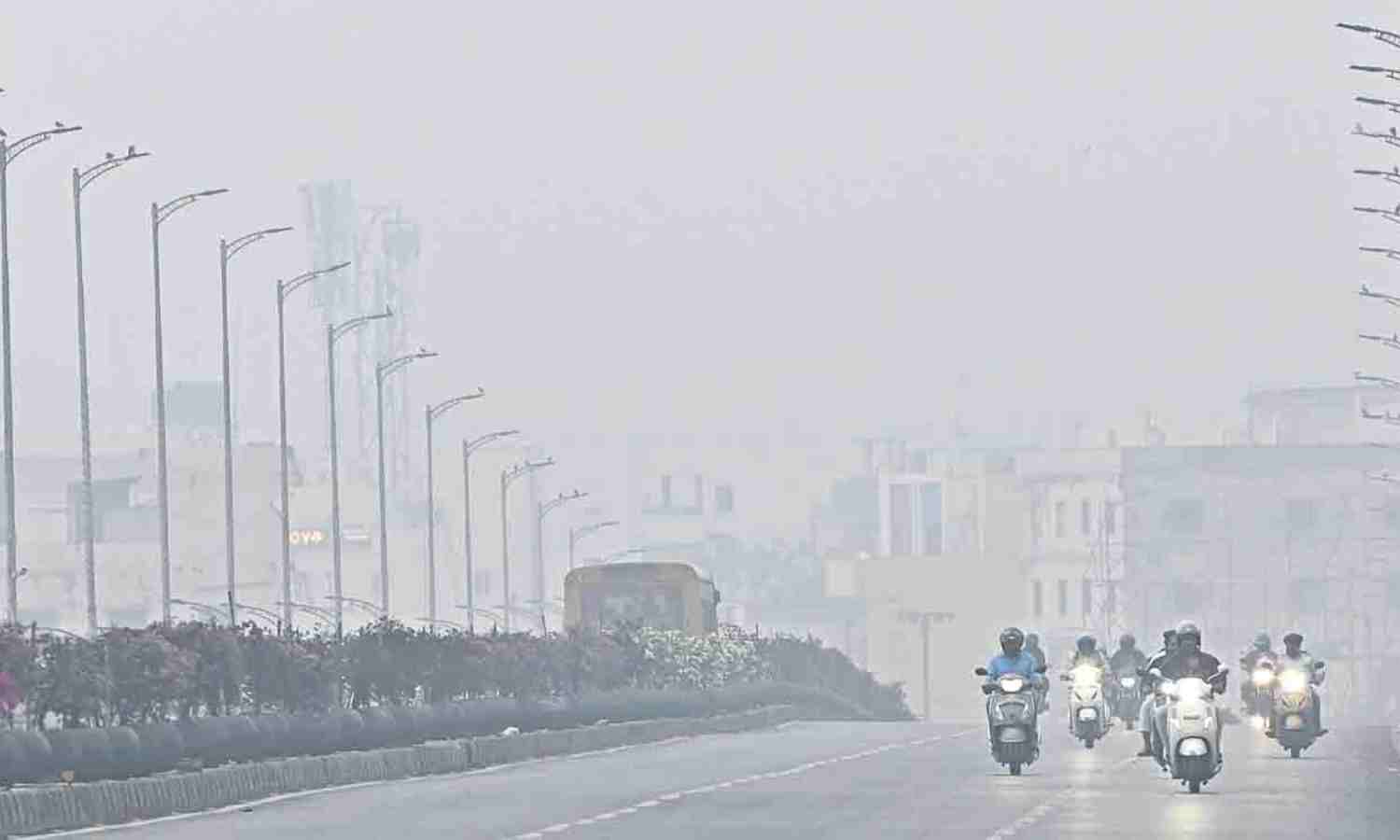
Chennai is experiencing an atypical sharp dip in temperatures, with residents reporting an unusually cold spell that has persisted into the afternoon — a departure from the city’s typical winter climate where coastal moderation keeps temperatures mild. The phenomenon, felt across residential neighbourhoods and urban corridors, underscores the increasingly erratic seasonal patterns confronting coastal metropolises and raises questions about climate variability’s effects on urban living and public health.
On January 11, parts of the city recorded daytime highs around 24–25°C, several degrees below the long-term average for this time of year, leaving many locals remarking that the atmosphere felt more akin to hill towns than a tropical seaboard metropolis. Meteorological analysts attribute the chill to a weakening low-pressure system in the Bay of Mannar, which has fostered cloud cover and intermittent drizzle bands over the region, suppressing daytime warming and reinforcing the cool conditions. Chennai’s climatic norms are shaped by the Bay of Bengal’s moderating influence, which generally mitigates extreme cold even in mid-winter. Historical weather records show that coastal minimums rarely plunge to severe lows seen in inland or elevated regions — a longstanding contrast with hill stations that routinely drop below 15°C. Even so, the recent sensation of “feeling cold like Ooty or Kodaikanal”, a comparison circulating on social media among commuters and two-wheeler riders, reflects how rare these conditions feel to city dwellers accustomed to humid winters.
For urban planners and public health officials, such unseasonal cold snaps carry implications beyond mere discomfort. Sudden temperature deviations can exacerbate respiratory ailments, particularly among vulnerable populations such as the elderly, children and outdoor workers. Similar patterns in other megacities have been linked to spikes in clinic visits for asthma and bronchitis during periods when cold air constricts airways and increases pollutant retention close to the ground. Transport and mobility patterns have also shifted during the chill. Motorcyclists and commuters are increasingly bundling up with winter gear during early morning and late-afternoon travel, reflecting behavioural adaptation to conditions that would previously have been considered “cold” only during night hours. Such behavioural shifts have knock-on effects on pedestrian activity and public transport usage, affecting everything from outdoor market footfall to bus ridership patterns.
Long-range forecasts from regional meteorological agencies suggest that while this cold interval may ease after a few days, fluctuations in temperature and intermittent cloud cover could persist as atmospheric systems over the Bay of Bengal remain unsettled. This is in line with broader climatic research indicating increasing variability in seasonal weather as ocean-atmosphere interactions shift under long-term climate change pressures.
Analysts urge administrators to incorporate flexible weather risk messaging into city health advisories and to prepare respite strategies for residents during both ends of the thermal spectrum. Enhancing urban green cover, improving thermal comfort in public spaces, and bolstering climate-aware urban design can help dense coastal cities like Chennai adapt to an era of less predictable seasonal behaviour.