


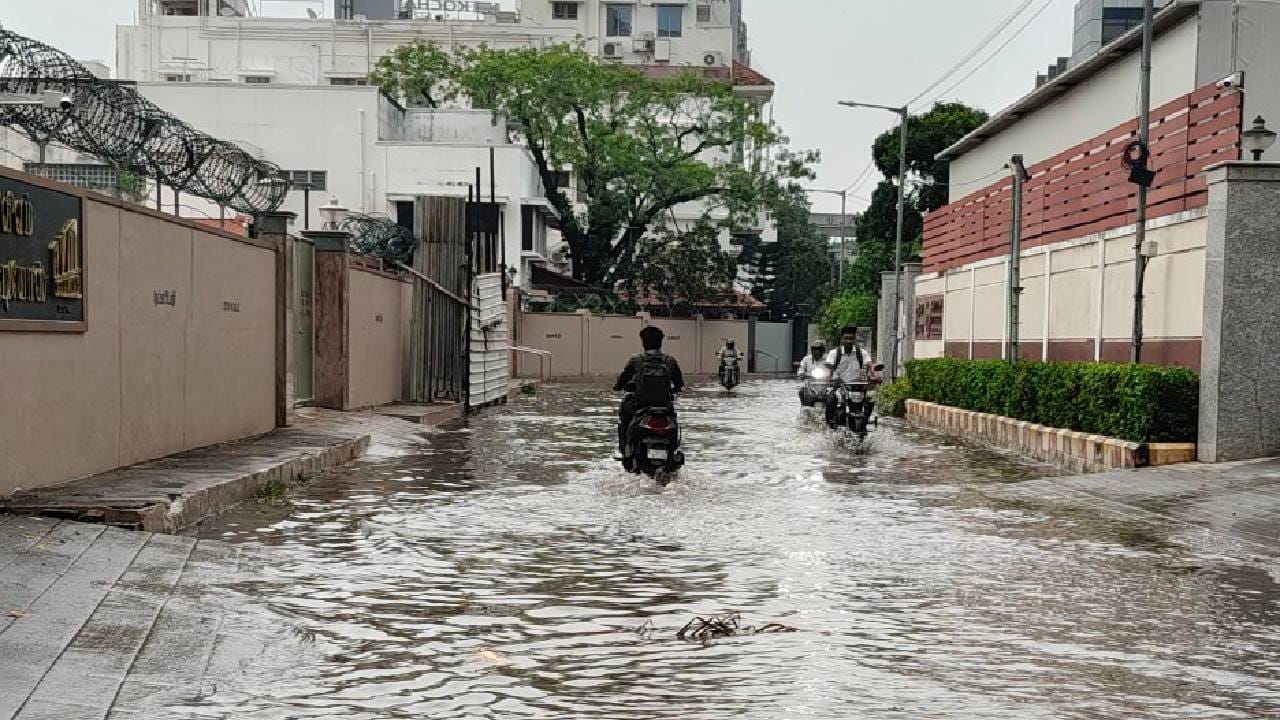
A sudden spell of rainfall across Chennai has brought much-needed relief from rising summer temperatures, with weather agencies forecasting continued showers and thunderstorms over the coming days.
The shift marks an early phase of pre-monsoon activity, reflecting changing climate patterns in southern urban centres.The ongoing weather shift, captured in the Chennai rain forecast April, follows days of intense heat and humidity that had pushed temperatures above seasonal norms. The recent showers have lowered daytime temperatures and improved outdoor conditions, particularly for those exposed to prolonged heat. Meteorological assessments indicate that the rainfall is driven by convective activity and moisture inflow from the Bay of Bengal. These conditions are expected to persist, with intermittent rain and thunderstorms likely across Chennai and surrounding districts until at least mid-April.While the cooling effect is welcome, the Chennai rain forecast April also highlights the increasing unpredictability of urban weather cycles. Traditionally, April is characterised by dry heat, but recent years have seen more frequent pre-monsoon showers occurring in short, intense bursts. This variability is linked to broader climate shifts, including rising sea surface temperatures and changing wind patterns.Urban planners note that such weather fluctuations pose both opportunities and risks.
On one hand, rainfall helps moderate extreme heat and reduces energy demand for cooling. On the other, sudden showers can strain drainage systems, trigger waterlogging, and disrupt traffic in a city with dense infrastructure and limited stormwater capacity.From a public health perspective, the relief from heat stress is significant, especially for outdoor workers and vulnerable populations.However, authorities caution that fluctuating weather conditions can also increase the risk of waterborne and vector-borne diseases if sanitation systems are not adequately managed.The economic impact is mixed. Cooler temperatures may improve productivity and reduce energy costs, but intermittent rainfall can disrupt construction activity, logistics operations, and informal retail sectors. For a city with a large outdoor workforce, even short weather interruptions can affect daily earnings.Experts emphasise the need for climate-responsive urban planning. Investments in improved drainage, green infrastructure, and real-time weather monitoring can help cities better adapt to such variability. Integrating blue-green infrastructure—such as urban wetlands and permeable surfaces—can enhance the city’s ability to absorb sudden rainfall while mitigating heat.
As forecasts indicate continued showers until April 12, Chennai’s evolving weather patterns offer a glimpse into the challenges facing Indian cities. Balancing immediate relief with long-term resilience will be key to ensuring that such climatic shifts do not translate into systemic urban disruptions.
Also Read:Chennai Restaurant Expansion Attracts National Food Chains
