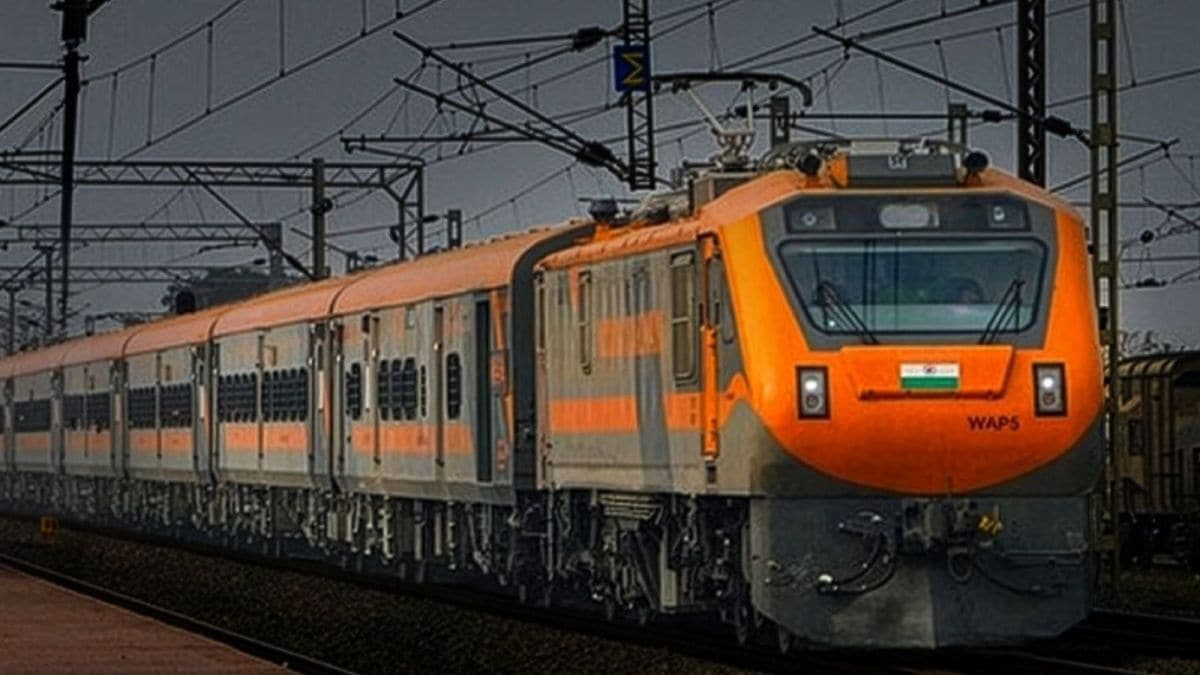
Rail passengers in parts of Tamil Nadu will soon see improved connectivity after the national railway authority approved additional train halts at three stations across the state. The decision allows selected long-distance and intercity services to stop at Pudukkottai, Podanur and Tiruvallur, strengthening links between smaller urban centres and major economic corridors while easing travel for commuters and regional travellers. Officials familiar with the development indicated that the move follows sustained representations highlighting passenger demand and regional mobility gaps. The newly approved stoppages will apply to a long-distance pilgrimage corridor service linking southern India with northern destinations, a cross-regional express connecting western Tamil Nadu with the southern port city, and a high-demand intercity train operating between the state capital and an industrial hub.
Transport planners say such operational adjustments, though small in infrastructure terms, can significantly improve accessibility for residents of secondary cities and peri-urban areas. Stations like Pudukkottai and Podanur function as important local gateways, serving not only their municipalities but also nearby rural and industrial clusters. Introducing additional halts can reduce travel time to economic centres and improve public transport utilisation. Urban mobility specialists note that the expansion of train stoppages reflects a broader shift toward strengthening regional rail connectivity without major capital expenditure. By leveraging existing tracks and rolling stock, rail authorities can improve network efficiency and distribute passenger demand more evenly across stations. This approach is particularly relevant in fast-urbanising regions where smaller towns increasingly act as residential and employment extensions of larger cities.
Tiruvallur, located within the wider metropolitan influence zone of Chennai, illustrates this dynamic. Over the past decade, the district has witnessed growth in housing, logistics activity and manufacturing. Greater access to intercity rail services could support workforce mobility, particularly for residents commuting to industrial zones and urban job centres. Infrastructure analysts say better rail access also carries economic benefits beyond passenger convenience. Improved connectivity tends to stimulate local commerce, tourism flows and small-scale business activity around stations. For towns that function as service centres for surrounding agricultural regions, enhanced rail links can strengthen supply chains and market access.
From a sustainability perspective, planners emphasise the importance of encouraging rail travel as an alternative to long-distance road journeys. Expanding train stoppages on existing services allows more passengers to use lower-carbon public transport while reducing pressure on highways. As Indian cities grapple with congestion, emissions and uneven regional development, incremental improvements like these can play an important role in creating more balanced transport networks. For Tamil Nadu’s growing urban corridor, the newly approved train stoppages represent a modest but practical step toward improving everyday mobility and supporting regional economic integration.