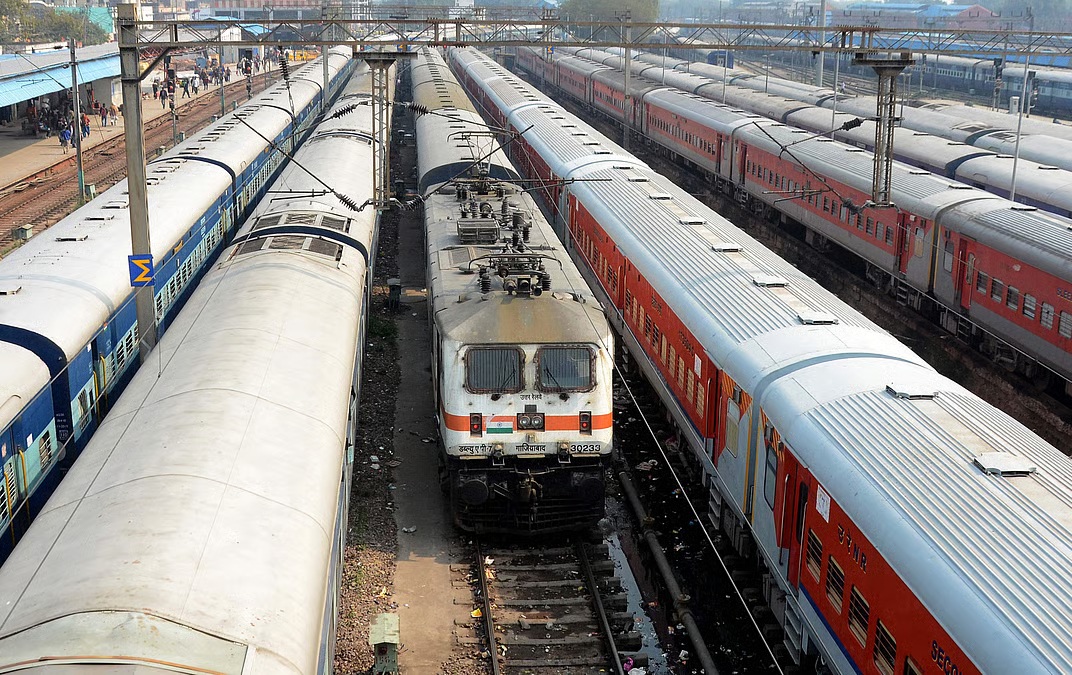
Surat Special Trains Boost Regional Rail Connectivity
Chennai’s suburban rail network continues to strain under reduced EMU services, as commuters struggle with longer wait times and overcrowded trains along the Beach–Tambaram–Chengalpattu corridor. Scheduled maintenance at Egmore has led to a reduction in train frequency from 15-minute intervals to a projected 20–25 minutes, yet passengers report gaps exceeding half an hour during peak hours, highlighting systemic vulnerabilities in the city’s commuter infrastructure.
The disruptions are concentrated at high-traffic stations including Tambaram, Kodambakkam, Guindy, and Egmore, where passengers face overcrowded platforms and prolonged delays. Urban planners note that reduced reliability on a major suburban artery reverberates across the city, pushing commuters toward alternative modes of transport and raising congestion on roads and metro networks. Data from the Chennai Metro Rail Limited (CMRL) indicate a surge in ridership, with stations like Guindy and the airport hub handling 25–30% more passengers than usual, signalling a spillover effect that adds operational pressure on parallel transport systems.
For daily commuters, the delay is more than an inconvenience it directly impacts work productivity, healthcare access, and educational commitments. Students and professionals report travel times extending by 30–45 minutes, with irregular train schedules amplifying uncertainty. Urban mobility experts highlight that the situation underscores the importance of integrated transit planning, where contingency services, timely information, and real-time operational adjustments are critical for resilience in rapidly growing urban centres.The ongoing service disruption also exposes economic and social inequities. Commuters reliant on suburban EMUs often lower- and middle-income groups experience greater hardship than those with private vehicles, as alternatives such as buses and metro shuttles are insufficient to meet demand.
The mismatch between infrastructure capacity and commuter needs raises broader questions about sustainable urban development and equitable access to reliable public transit. In the medium term, Southern Railway’s phased maintenance programme will continue to limit train frequency, necessitating coordinated interventions. Urban transport specialists recommend enhanced communication systems, strategic deployment of additional coaches, and dynamic scheduling to reduce overcrowding and maintain safety. For Chennai, the current disruption highlights both the fragility and critical importance of suburban rail in supporting a low-carbon, people-first urban transport ecosystem.