



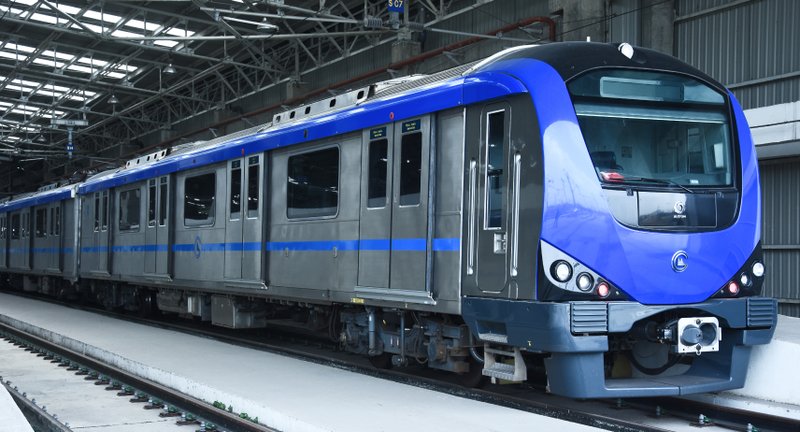
Clarity on the proposed alignment of a 350-km rail corridor linking Musiri to Chennai marks a significant step in advancing Chennai rail connectivity, with implications for regional mobility, economic integration, and sustainable transport planning.
The project is expected to enhance linkages between interior districts and the state capital, supporting both passenger movement and freight operations.Transport experts highlight that improved Chennai rail connectivity can reduce dependence on road-based travel, easing congestion on highways while lowering carbon emissions. Rail infrastructure is widely regarded as a more energy-efficient mode of transport, making it central to long-term strategies for climate-resilient urban and regional development.The proposed corridor is likely to benefit a wide spectrum of users, including daily commuters, long-distance travellers, and industries reliant on efficient logistics networks. By connecting semi-urban and rural regions to Chennai, the project could facilitate smoother movement of goods, particularly agricultural produce and small-scale industrial output, thereby strengthening regional supply chains.Urban planners note that the alignment clarity is a crucial milestone, as it enables more detailed planning around land acquisition, station development, and integration with existing transport networks.Effective execution will depend on aligning the rail corridor with other infrastructure systems, including bus services, metro lines, and last-mile connectivity solutions.From an economic standpoint, enhanced Chennai rail connectivity has the potential to unlock new growth corridors.
Areas along the proposed route may witness increased investment in housing, commercial developments, and industrial clusters, driven by improved accessibility. Real estate analysts suggest that land values in these regions could appreciate as connectivity improves.However, the project also raises important considerations around land use and environmental impact. Large-scale infrastructure development can disrupt local ecosystems and communities if not carefully managed. Experts emphasise the need for comprehensive environmental assessments and inclusive planning processes to minimise adverse effects.The social dimension is equally significant. Improved rail access can enhance mobility for residents in underserved areas, providing better access to employment, education, and healthcare opportunities in Chennai. This aligns with broader goals of inclusive development and balanced regional growth.Financing and execution timelines remain key challenges. Large infrastructure projects often face delays due to funding constraints, regulatory approvals, and coordination issues among multiple stakeholders. Ensuring transparency and efficient project management will be critical to maintaining momentum.The corridor also presents an opportunity to integrate modern technologies, such as electrified tracks and smart signalling systems, which can improve operational efficiency and safety. Incorporating such features would align the project with national goals for modernising rail infrastructure.
As Tamil Nadu continues to invest in transport networks, the advancement of this corridor underscores the strategic importance of Chennai rail connectivity in shaping the state’s economic and urban future. The success of the project will depend on its ability to deliver efficient, sustainable, and inclusive mobility solutions while supporting long-term regional development objectives.
Also Read:Chennai Vaccination Services Strengthen Preventive Healthcare
