Chennai Pushes Integration Of MRTS And Metro
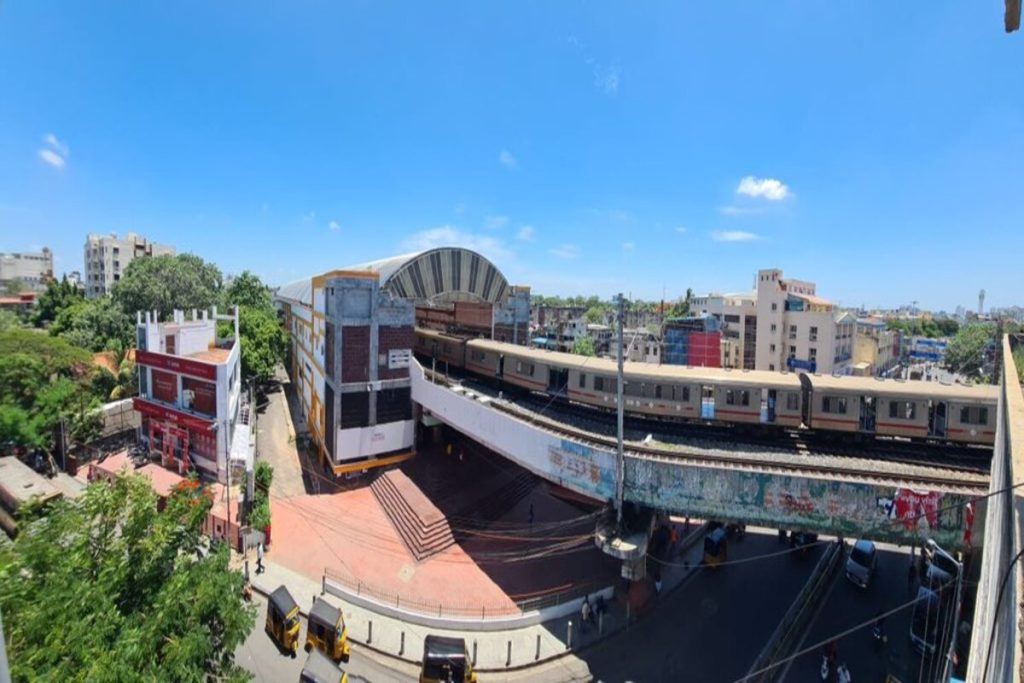
Chennai is preparing for a major shift in urban mobility as the Mass Rapid Transit System (MRTS) transitions to the operational control of Chennai Metro Rail Ltd (CMRL), promising a complete transformation of ageing rail infrastructure into a modern, metro-grade service within two years. The move is positioned as a milestone in the city’s long-term plan to build an integrated, reliable, and commuter-centred public transport network.
According to senior officials involved in the transition, CMRL will standardise service quality across the inherited lines, focusing on punctuality, safety, accessibility, and passenger experience. The upgrade is expected to be completed by December 2027, after which commuters on the old MRTS route can expect the same features and service levels currently seen across the metro corridors. The modernisation programme is likely to be financed through a proposed World Bank loan, currently under negotiation. Part of the funding estimated to be around ₹1,000 crore will be used to procure new train coaches, refurbish nearly two dozen stations, and install additional escalators. Investment is also planned for pedestrian-friendly development within a 500-metre radius of stations, aimed at improving last-mile access and encouraging commuters to switch from private vehicles to shared mobility.
A government official noted that the transition has been made possible due to high-level political intervention. The issue reportedly gained momentum after the Chief Minister raised it directly with the Prime Minister during a NITI Aayog meeting earlier this year, helping expedite long-pending railway approvals. The merger aligns with the Chennai Unified Metropolitan Transport Authority’s (CUMTA) roadmap for citywide transport reform. The authority envisions reduced peak-hour travel times from the current 60 to 90 minutes to roughly 60 minutes by 2048 through large-scale public transit investments totalling ₹2.27 trillion, of which ₹1.92 trillion is committed solely to mass transport systems. Officials from Southern Railway described the merger as an example of “administrative collaboration serving the public interest”, adding that the transition is designed to enable seamless travel across metro rail, MRTS, suburban railway, and bus networks. Integrated ticketing and shared interchange hubs are part of the long-term goal.
Urban mobility experts say the makeover could reshape Chennai’s commuting culture. Reducing dependence on personal vehicles would not only improve road safety but also lower emissions, enabling more equitable access to high-quality mobility for women, workers, students, and senior citizens. Ensuring universally accessible stations, clean surroundings, and safe first- and last-mile travel will be vital to achieving this vision. For a rapidly growing coastal city grappling with congestion, air pollution, and climate vulnerability, the transformation of existing transit assets rather than new construction alone may mark a shift towards more sustainable urban development. If executed as planned, the MRTS revamp could become a benchmark for other Indian cities integrating legacy rail with modern metro systems.
Chennai Pushes Integration Of MRTS And Metro