Chennai Prepares For Expanding Rapid Transit Network
The launch of India’s first Regional Rapid Transit System (RRTS) along the 82-km Delhi–Meerut corridor marks a pivotal moment for urban mobility, setting a new benchmark for regional transit infrastructure. Designed to significantly reduce travel times while integrating seamlessly with Metro networks, the corridor demonstrates how mass transit can support decentralised urban growth and economic development beyond city cores.
Constructed at an estimated cost of Rs 12,930 crore, the corridor’s delivery was extended by litigation, bureaucratic hurdles, and complex land acquisition challenges, stretching the project timeline to nearly seven years from cabinet approval. Despite these delays, urban planners note the dual utility of the infrastructure, which accommodates Metro services on the same track between Meerut South and Modipuram, showcasing operational flexibility rarely seen in large-scale projects. Urban mobility experts emphasise that the Delhi–Meerut corridor is more than a transport project; it is a catalyst for sustainable urbanisation. By connecting satellite towns to the capital efficiently, it helps alleviate pressure on densely populated urban centres, offering a model for polycentric city development similar to global megaregions. Economic analysts suggest that such connectivity can stimulate regional employment hubs, real estate growth, and commercial clusters, effectively dispersing population density while curbing vehicular congestion and carbon emissions.
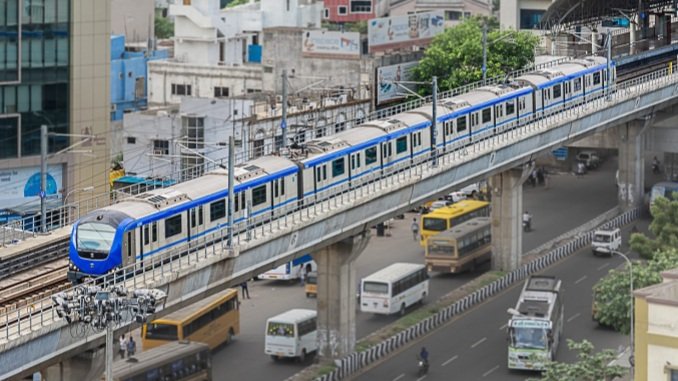
Following this precedent, regional authorities are planning to expand RRTS networks in other metropolitan areas. The Chennai metropolitan region, for example, anticipates four new RRTS corridors integrated with its ongoing Metro expansion under the Third Master Plan (2027–2046). Similarly, corridors linking Bengaluru–Mysuru–Tumakuru–Hosur and Hyderabad–Warangal have been prioritised in national infrastructure frameworks, with multi-agency funding and international multilateral support envisaged to accelerate development. Kerala is exploring a 583-km corridor connecting Thiruvananthapuram to Kasargod in four phases, with elevated tracks proposed to minimise land acquisition and environmental disruption. The project reflects lessons from stalled initiatives, such as the earlier high-speed rail proposal, highlighting the growing preference for RRTS as a more adaptive, sustainable transport solution.
Analysts caution that the success of RRTS projects depends on coordinated policy implementation between central and state governments, consistent funding flows, and complementary economic activity along the corridors. While rapid transit improves mobility, planners underscore that long-term viability hinges on creating commercial, residential, and industrial opportunities alongside the network. By embedding RRTS within broader urban growth strategies, cities can simultaneously enhance accessibility, reduce environmental impact, and foster inclusive regional development.