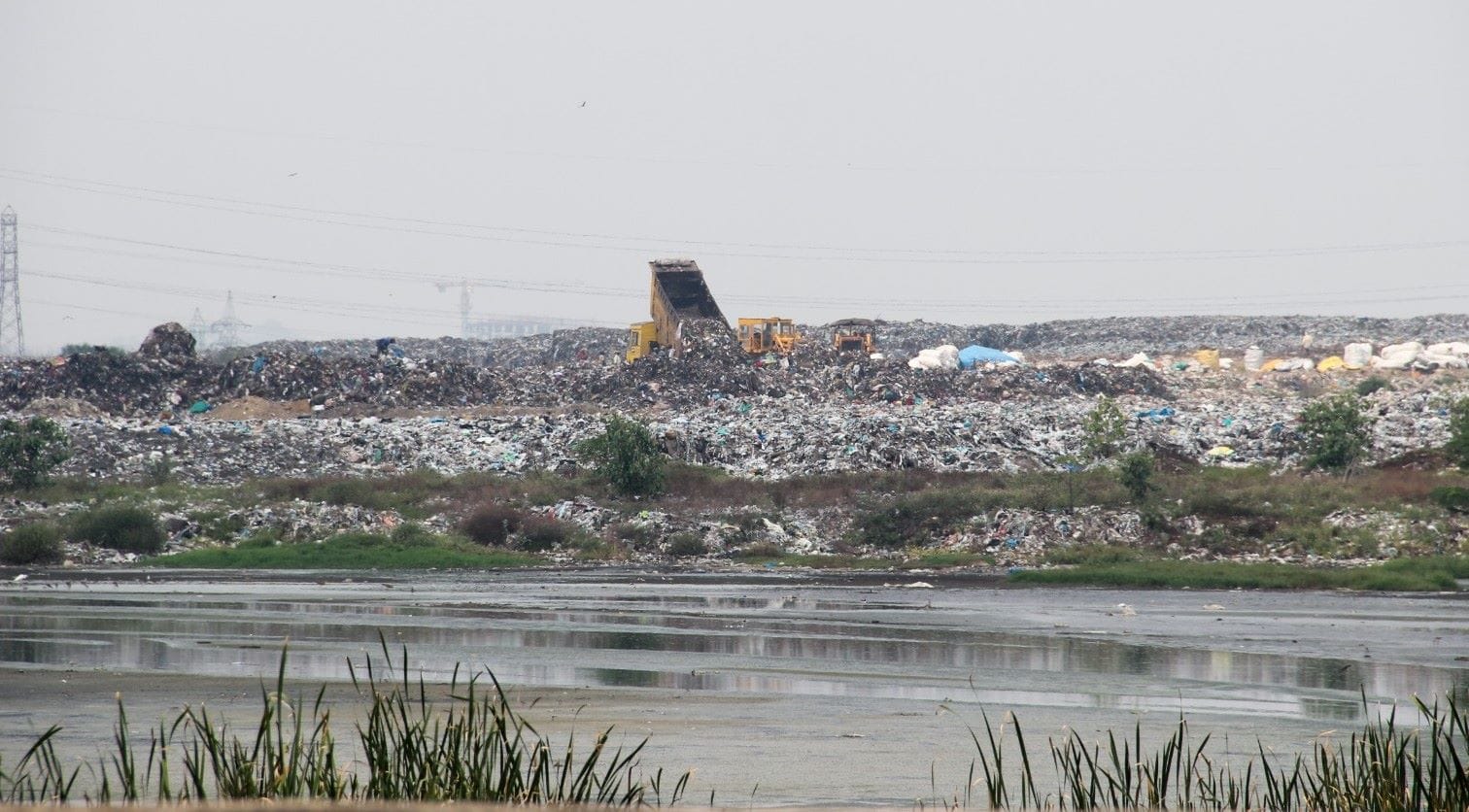
Chennai Plans Dumpyard Mapping Inside Pallikaranai Wetland
Chennai has taken a crucial procedural step towards restoring the ecologically sensitive Pallikaranai marshland, with civic and state agencies initiating detailed land mapping of the Perungudi waste disposal site. The exercise is aimed at preparing the ground for eventual ecological restoration in line with Ramsar wetland norms, signalling a possible long-term transition away from waste operations within the protected landscape.
The Perungudi site, located within the Pallikaranai marsh system, has been a focal point of environmental concern for over a decade. With the wetland now recognised internationally under the Ramsar Convention, authorities are under increasing regulatory and civic pressure to align urban waste management practices with conservation requirements. Officials involved in the process say the mapping will establish clear land boundaries, usage history, and restoration potential before any formal transfer to forest authorities is considered. The move follows sustained public opposition to waste processing activities within the marsh. Residents and environmental groups have argued that continued dumping and ancillary infrastructure undermine the hydrological and biodiversity functions of one of Chennai’s last remaining wetlands. In response, several civic projects proposed on reclaimed land including recreational developments have been put on hold pending environmental review.
Currently, large portions of the Perungudi site remain under active waste management. While biomining operations have cleared multiple parcels of legacy waste, fresh dumping continues in limited zones. Civic agencies have earmarked most of the site for phased remediation, with several biomining packages already completed and others nearing closure. Urban planners note that while biomining reduces landfill volume, it does not by itself restore wetland ecology unless followed by hydrological rehabilitation and soil recovery. From a governance perspective, the mapping initiative reflects a shift in how Indian cities are being compelled to reconcile legacy infrastructure with emerging climate and biodiversity obligations. Wetlands such as Pallikaranai act as natural flood buffers and carbon sinks, functions that have become increasingly critical as Chennai faces more intense rainfall events and rising urban temperatures. Restoring such landscapes carries long-term economic value by reducing disaster risk and infrastructure stress.
However, the timeline for vacating waste-related facilities remains uncertain. Officials indicate that final decisions will depend on directions from environmental regulators and the feasibility of relocating essential services without disrupting citywide waste processing. Residents’ groups have signalled further mobilisation if on-ground activity continues within the marshland footprint. Experts in urban resilience argue that the Perungudi transition could become a test case for other Indian metros grappling with landfills located in environmentally sensitive zones. A transparent roadmap covering waste diversion, ecological restoration, and inter-agency coordination will be critical to ensure that compliance goes beyond paperwork.
As Chennai advances the mapping exercise, attention now turns to how quickly policy intent can translate into physical restoration, and whether the city can balance its waste management needs with the protection of a vital natural asset.