


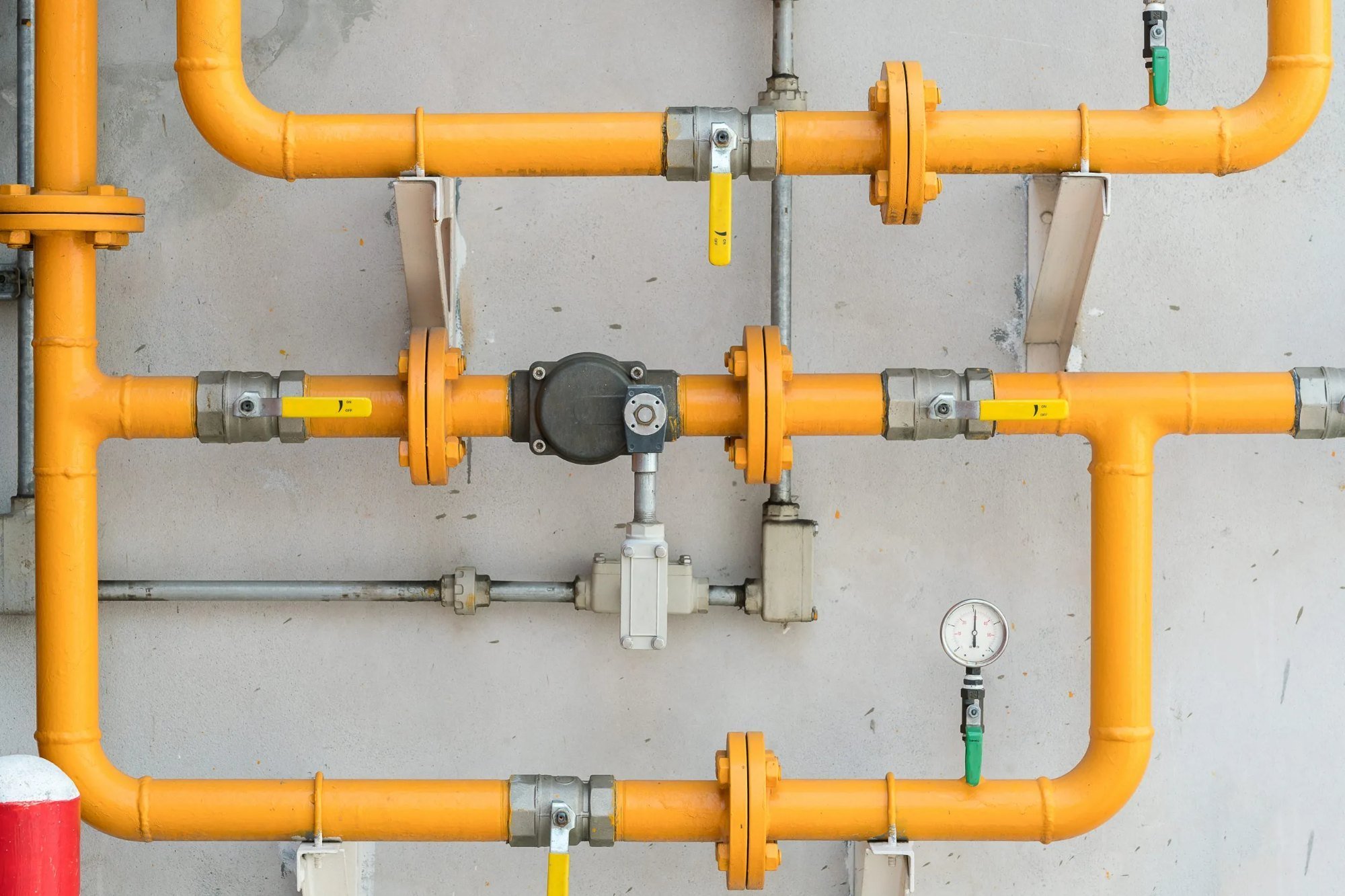
A recent disruption in LPG availability has triggered a surge in demand for piped natural gas connections in Chennai, signalling a shift in how urban households and businesses are approaching energy security.
The trend reflects growing interest in more reliable and continuous fuel supply systems in a city increasingly exposed to supply volatility.The Chennai piped gas demand has picked up pace as residents and commercial establishments explore alternatives to cylinder-based fuel systems. City gas distribution (CGD) companies are reporting higher enquiries and new connection requests, particularly from apartment complexes, restaurants and small enterprises.Energy experts suggest that the Chennai piped gas demand increase highlights the importance of dependable urban energy infrastructure.Unlike LPG cylinders, piped gas systems offer uninterrupted supply through underground networks, reducing dependence on periodic deliveries and mitigating risks associated with supply disruptions.From an urban planning perspective, the shift towards piped gas aligns with the broader push for integrated and resilient utility systems. Expanding CGD networks can improve energy access, reduce logistical burdens and support more efficient urban service delivery.The Chennai piped gas demand trend also has environmental implications. Natural gas is generally considered a cleaner alternative to traditional fuels, producing lower emissions and contributing to improved air quality.
As cities work towards climate goals, such transitions can play a role in reducing the carbon footprint of residential and commercial energy use.Economic factors are equally significant.While the initial cost of installing piped gas infrastructure can be higher, long-term operational stability and pricing predictability are attractive to consumers. For businesses, particularly in the hospitality sector, consistent fuel supply is critical to maintaining operations.Infrastructure readiness, however, remains a key challenge. Expanding CGD networks requires coordinated investment, regulatory approvals and integration with existing urban systems. Ensuring equitable access across different neighbourhoods will be important to prevent disparities in energy availability.Urban governance experts emphasise that the Chennai piped gas demand surge underscores the need for proactive planning. Anticipating demand shifts and scaling infrastructure accordingly can help cities respond effectively to changing energy needs.There are also safety and operational considerations. Piped gas systems require robust monitoring, maintenance and adherence to safety standards to ensure reliability. Strengthening regulatory frameworks and public awareness will be essential as adoption increases.The trend reflects a broader transformation in urban energy consumption patterns. As cities grow and become more complex, reliance on single-source energy systems can expose vulnerabilities. Diversification and integration of energy networks are therefore becoming central to sustainable urban development.
Looking ahead, the continued growth of Chennai piped gas demand will depend on the pace of infrastructure expansion and policy support. Strengthening CGD networks can enhance energy resilience, improve environmental outcomes and support the city’s transition towards more sustainable and efficient urban systems.
Also Read:Kolkata Hot Humid Weather Returns After Rainfall
