



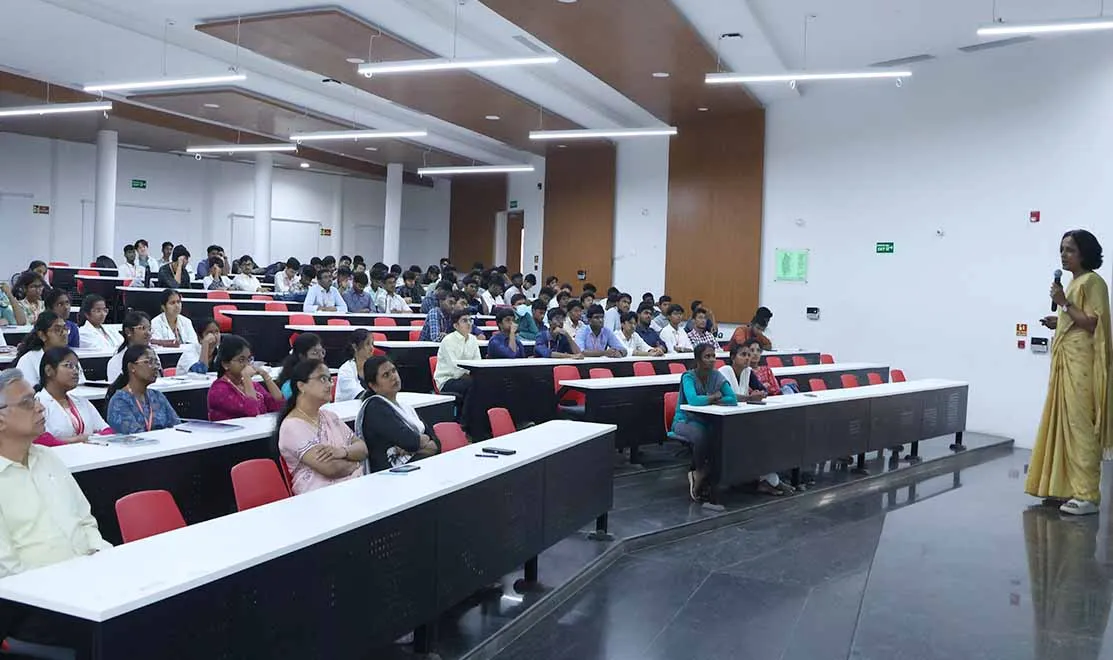
Chennai is set to host a major medical gathering focused on chronic pelvic pain, underscoring growing attention to specialised healthcare needs in rapidly expanding urban centres.
The upcoming Chennai pelvic pain conference is expected to bring together clinicians, researchers and healthcare practitioners, reflecting how Indian cities are strengthening their role as hubs for advanced medical knowledge and patient care.The Chennai pelvic pain conference comes at a time when urban healthcare systems are grappling with rising cases of chronic and often underdiagnosed conditions. Medical experts indicate that pelvic pain disorders, particularly among women, remain inadequately addressed due to gaps in awareness, diagnostics and multidisciplinary care. Conferences of this nature aim to bridge those gaps by encouraging collaboration across specialities such as gynaecology, physiotherapy and pain management.From an urban development perspective, the Chennai pelvic pain conference signals the city’s growing prominence in the healthcare economy. Large metropolitan regions are increasingly investing in tertiary care infrastructure, medical education, and research platforms. This shift is not only improving patient outcomes but also positioning cities like Chennai as regional healthcare destinations, attracting patients from across the country and neighbouring regions.Healthcare planners note that specialised medical events play a critical role in shaping long-term capacity building. By facilitating knowledge exchange and training, the Chennai pelvic pain conference contributes to strengthening clinical expertise and expanding access to evidence-based treatment approaches.
This is particularly relevant in the context of gender-sensitive healthcare, where conditions affecting women often require integrated and patient-centric solutions.The economic ripple effects of such conferences are also significant. Beyond the immediate healthcare sector, events of this scale support hospitality, transport, and local services, reinforcing the interconnected nature of urban economies. Industry observers point out that medical tourism and conference-driven travel are becoming important contributors to city-level growth, especially in established healthcare hubs.Sustainability considerations are gradually entering the conversation as well. Urban planners emphasise the need for healthcare infrastructure that is not only advanced but also environmentally responsible. Energy-efficient hospital design, digital healthcare delivery, and reduced travel through hybrid conferences are emerging as part of a broader push towards low-carbon urban systems.However, experts caution that knowledge-sharing platforms must translate into tangible improvements in public health systems. While the Chennai pelvic pain conference highlights progress in specialised care, challenges remain in ensuring affordability, accessibility, and early diagnosis, particularly for underserved populations.
As Chennai prepares to host this focused medical dialogue, the spotlight is on how cities can integrate specialised healthcare into broader urban planning frameworks. The next phase will depend on whether such initiatives lead to more inclusive, resilient and patient-centred healthcare ecosystems that meet the evolving needs of urban populations.
Also Read:Chennai Housing Project Drives Premium Real Estate Growth
Chennai Pelvic Pain Conference Signals Healthcare Infrastructure Push
