


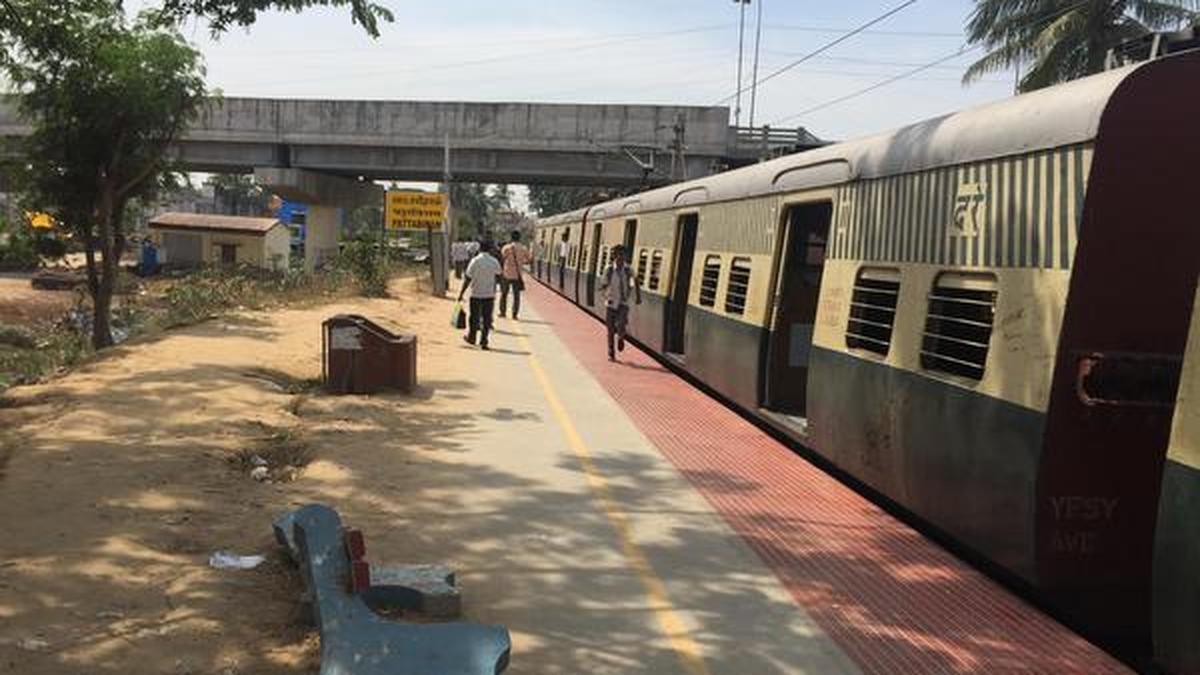
Concerns over deteriorating conditions at Pattabiram Railway Station have drawn attention to persistent gaps in maintenance, safety and environmental management across Chennai’s suburban rail network.
Daily commuters report a combination of pollution, poor sanitation and inadequate infrastructure, raising questions about the resilience of urban transit systems in fast-growing peripheral neighbourhoods.The station, located in a rapidly urbanising part of the city, serves as a critical link for thousands of passengers travelling to industrial and commercial hubs. However, issues such as waste accumulation, stagnant water and lack of basic upkeep have created an environment that many users describe as unsafe and unhygienic. Urban transport experts note that such conditions not only affect commuter experience but also have broader public health implications.Pollution at the station appears to stem from both solid waste mismanagement and surrounding land-use pressures. Informal dumping and insufficient waste collection systems have contributed to the problem, reflecting wider challenges in coordinating urban services across transport infrastructure. For cities like Chennai, where suburban rail plays a vital role in reducing road congestion and emissions, maintaining clean and functional stations is essential to sustaining public transport usage.Safety concerns have also emerged as a key issue. Inadequate lighting, poorly maintained platforms and lack of clear pedestrian pathways can increase risks, particularly for women, elderly passengers and those travelling during early or late hours. Urban planners emphasise that transport infrastructure must be inclusive and accessible, ensuring that all users can navigate spaces without exposure to avoidable hazards.
The situation at Pattabiram highlights a recurring issue in many Indian cities: the gap between infrastructure expansion and long-term maintenance. While significant investments have been made in rail connectivity, ongoing operational management often lags behind. Experts argue that sustainable urban mobility requires not just new projects but consistent upkeep, monitoring and community engagement.There are also economic implications. Poor station conditions can discourage ridership, pushing commuters towards private vehicles and increasing traffic congestion. This, in turn, affects productivity, fuel consumption and air quality—key concerns for a city balancing growth with environmental sustainability. Additionally, areas surrounding transit nodes often depend on footfall for local commerce, meaning neglect can impact small businesses and informal economies.Addressing these challenges will require coordinated action between railway authorities, municipal bodies and local communities. Improved waste management systems, regular maintenance schedules and investments in basic amenities such as lighting and drainage are seen as immediate priorities. Integrating these measures with broader urban planning strategies could help ensure that transport infrastructure supports both mobility and quality of life.
As Chennai continues to expand, the condition of suburban stations like Pattabiram will remain a critical indicator of how effectively the city manages its public infrastructure. Ensuring safe, clean and accessible transit spaces will be central to building a more resilient and people-focused urban future.
Also Read:Chennai Healthcare Acquisition Strengthens Integrated Medical Services
